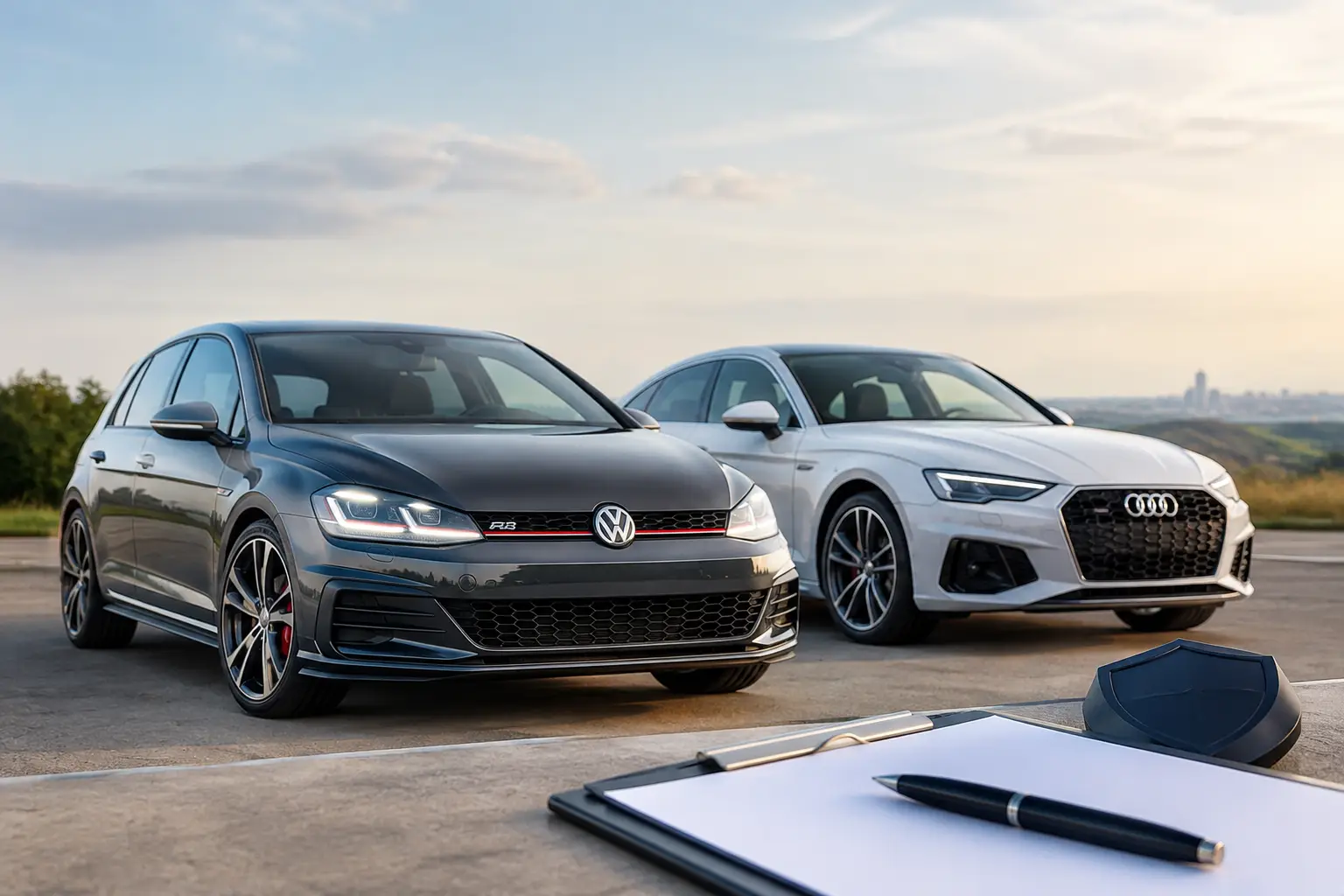
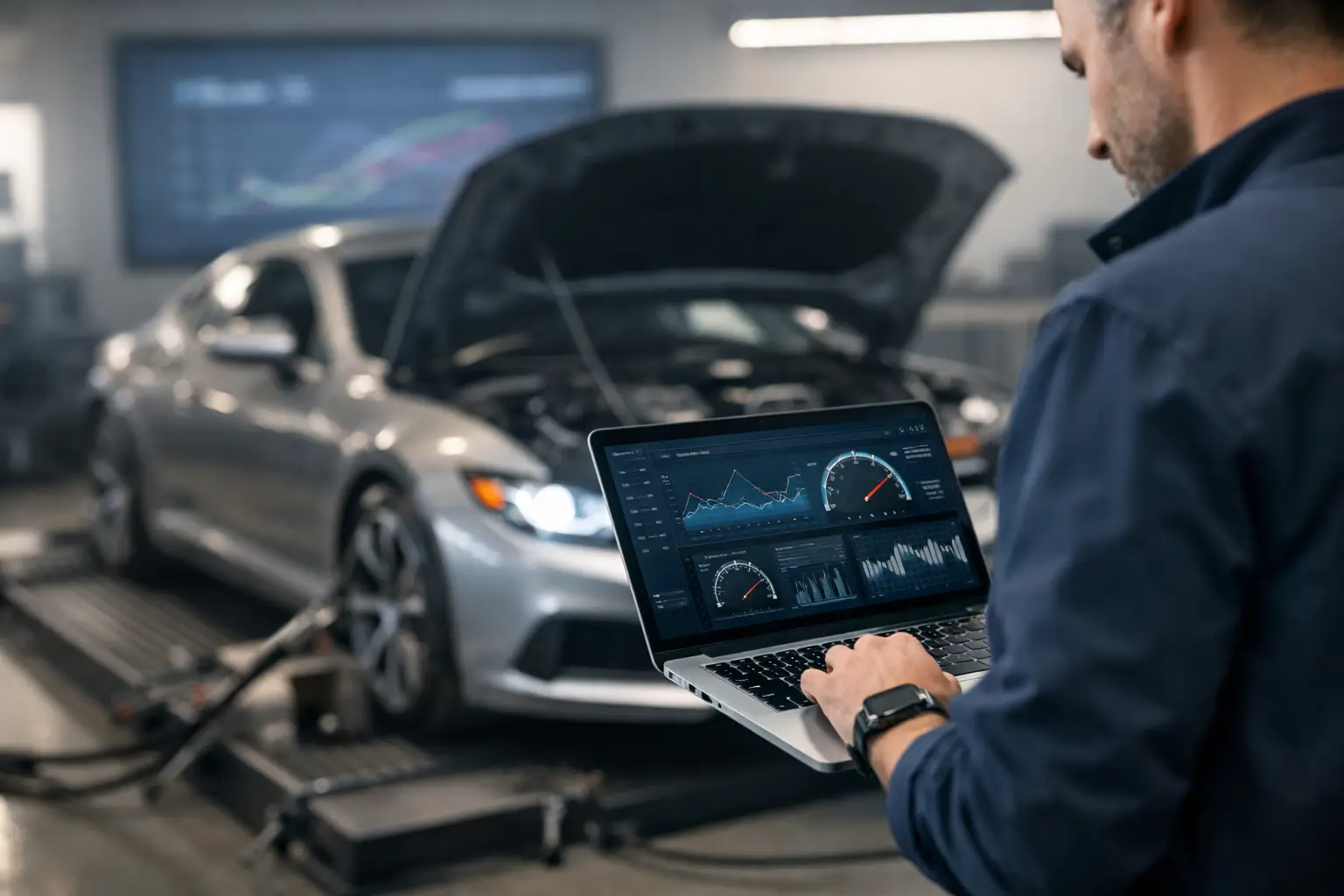
A Stage 1 remap used to feel fairly straightforward. Read the car properly, confirm the hardware is healthy, make measured changes, road test it, and send the owner away with a sharper Audi, Volkswagen, Škoda or SEAT that still behaved properly in traffic. The future of performance tuning is more complicated than that – and, done well, more precise too.
For VAG owners, the next few years will not simply be about chasing bigger numbers. It will be about how software, emissions systems, gearbox logic, hybrid assistance and increasingly locked ECUs all interact. The cars are getting smarter, but also less forgiving of poor workmanship. That is good news for owners who value proper diagnostics and careful calibration, and less good for anyone hoping tuning will remain a quick plug-in job with no wider consequences.
What the future of performance tuning really looks like
The biggest change is that tuning is becoming more integrated. Ten years ago, many upgrades could be treated as separate jobs. Today, engine software, DSG behaviour, traction control strategy, thermal management and emissions monitoring all influence each other. On many modern VAG models, improving performance without upsetting drivability or reliability means understanding the whole system, not just the headline bhp figure.
That matters because customer expectations have changed as well. Most owners around Tadley, Basingstoke, Reading and Newbury are not building stripped-out track cars. They want stronger mid-range pull for overtaking, smoother delivery, sensible fuel use when driven normally and confidence that the car will still start every morning and pass routine checks. In other words, the tuning market is moving towards usable performance rather than dyno-sheet bragging rights.
There will always be space for high-output builds, but for daily-driven VAG cars, the workshop that can balance performance with longevity will have the edge. A well judged calibration on a healthy car is usually more valuable than an aggressive map on a tired one.
Software will matter more than hardware
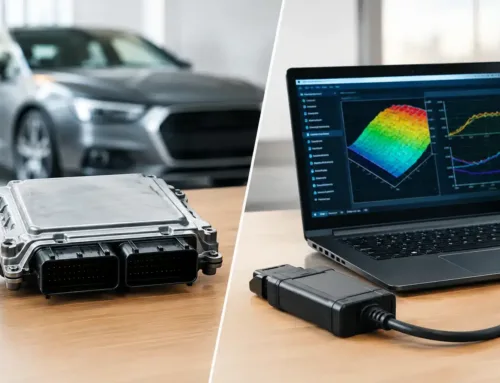
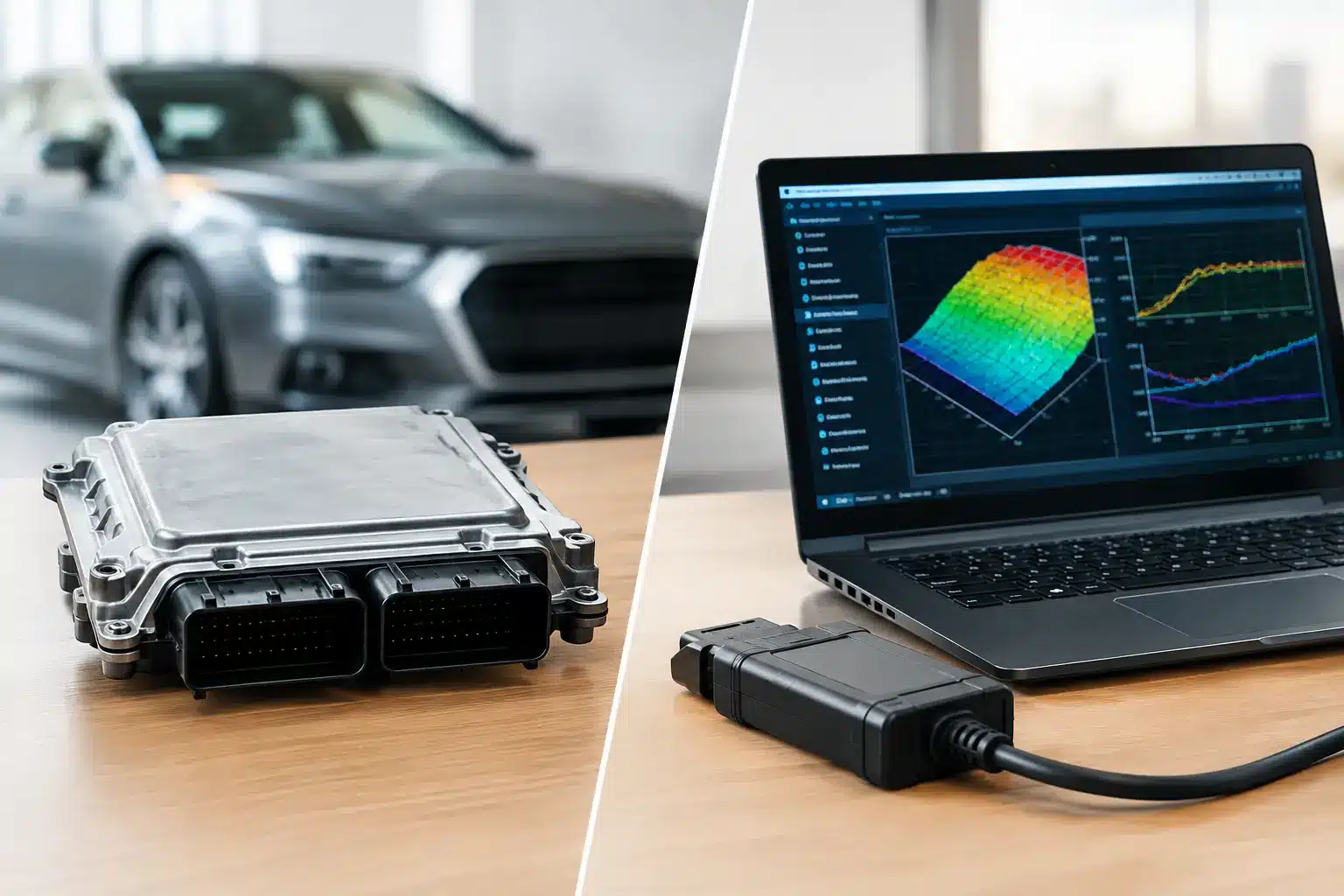
Performance tuning has always involved software, but software is now the main battleground. Manufacturers are using more sophisticated torque modelling, tighter ECU security and more complex strategies to manage engine load, gearbox protection and emissions compliance. That means future tuning work will rely even more on specialist tools, accurate data and experience with specific platforms.
For VAG vehicles, this is especially relevant. Across Audi, Volkswagen, Škoda and SEAT ranges, small differences in engine code, gearbox type, model year and factory software version can have a major effect on what is possible. Two cars that look near-identical on the driveway may need very different approaches in the workshop.
This is one reason generic tuning files are becoming harder to justify. A future-proof tuning job starts with condition checks, fault-code scans, live data review and a realistic conversation about how the car is used. If the diverter valve is weak, the intake is carboned up, the DSG service is overdue or the Haldex unit has been neglected, adding more torque first is rarely the smart move.
Locked ECUs and encrypted systems
Manufacturers are making ECUs harder to access. From their point of view, that makes sense. It improves security, protects emissions calibration and limits tampering. For owners, it means tuning some newer cars can require bench unlocking, specialist interfaces or approved routes that did not exist a few years ago.
This does not mean performance tuning is going away. It means the barrier to doing it properly is rising. Independent specialists with the right equipment and platform knowledge will continue to be valuable, because modern tuning increasingly sits alongside advanced diagnostics rather than apart from it.
Emissions rules will shape tuning decisions
If there is one factor that will define the future of performance tuning as much as technology, it is regulation. Emissions systems on modern petrol and diesel cars are not side issues. They are central to how the vehicle runs. Petrol particulate filters, DPF systems, EGR functions, AdBlue strategies and catalyst monitoring all place limits on what can be changed safely and legally.
For customers, this creates a more grown-up tuning environment. The old attitude of removing anything restrictive and hoping for the best is becoming less practical, less responsible and more expensive when it goes wrong. Future tuning will favour legal, road-usable upgrades that work with the vehicle’s systems rather than against them.
That may sound restrictive, but there is a positive side. Better calibrators are now focusing more on thermal control, knock management, torque delivery and component protection. Those are not glamorous phrases, but they are what keep a tuned daily driver enjoyable after six months, not just on the drive home from the workshop.
Gearboxes, drivetrains and carbon build-up will get more attention
Engine power figures still dominate conversations, yet many future gains in real-world performance will come from supporting systems. On VAG cars, DSG calibration, clutch health, Haldex servicing and intake cleanliness often make a major difference to how a vehicle feels.
A remap on a DSG-equipped car, for example, is only part of the story. If gearbox software is not suited to the new torque characteristics, the car can feel hesitant, overly eager to upshift or simply less polished than it should. Likewise, an all-wheel-drive model with overdue Haldex maintenance may not put power down as cleanly as the owner expects.
Direct injection engines also mean carbon build-up remains part of the conversation. On some engines, walnut blasting can restore lost response and performance before any tuning is added. In practice, the future is not just about increasing output. It is about getting the base vehicle back to proper health so any upgrade works as intended.
Hybrid and EV influence is coming, but not in the same way
Not every performance future is petrol-only. Mild hybrids, plug-in hybrids and full EVs are already changing what enthusiasts expect from fast road cars. Instant torque, regenerative braking behaviour and battery thermal management introduce a different tuning landscape.
For traditional VAG specialists, this does not mean engine tuning disappears overnight. There are still huge numbers of turbo petrol and diesel cars on the road, and many will remain in regular use for years. But it does mean workshops will need broader technical capability. Software knowledge, electrical diagnostics and system integration will become even more important.
Hybrid tuning in particular will need caution. There is potential there, but also more complexity and more expensive consequences if systems are pushed beyond their intended limits. Owners should expect a slower, more measured pace of development rather than the sort of rapid aftermarket scene seen with earlier turbocharged models.
The best tuning will start with honesty
One thing will not change. The best results come from matching the job to the car and the owner. That means being honest about condition, budget and priorities.
If a higher-mileage Golf GTD needs injector investigation, intake cleaning and overdue servicing, tuning should probably wait. If an S3 owner wants better drivability rather than maximum output, a sensible calibration with supporting maintenance may be the right answer. If a family SUV spends most of its life commuting and carrying children, smooth torque delivery matters more than a dramatic peak number.
That is where specialist workshops still matter. Experience helps you spot the issues that a basic code reader or generic tuning service can miss. It also helps avoid false economies. Saving money on preparation work often costs more later, especially on modern engines and gearboxes where one weak point can affect the whole package.
Why local specialist support still matters in the future of performance tuning
As cars become more software-led, some owners assume performance upgrades will become purely remote services. In some cases, remote calibration has its place. But the future of performance tuning will still depend heavily on physical workshop checks, because no file can compensate for worn components, hidden fault codes or poor maintenance history.
That is particularly true for VAG vehicles, where proper diagnostics, platform familiarity and OEM-level standards make a real difference. A local specialist can assess whether the car is a good candidate for tuning in the first place, carry out supporting work such as DSG servicing or carbon cleaning, and deal with problems properly if anything needs attention afterwards. For owners in and around Aldermaston, that practical backup matters more than slick marketing.
At Mechalex, that approach suits the cars we see every day. The aim is not to sell tuning as a magic fix. It is to make sure any performance work is based on a healthy vehicle, sensible expectations and the sort of workshop standards that protect reliability as well as improve response.
The next phase of performance tuning will reward owners who think beyond headline figures. Choose the right car, get the maintenance right, and work with people who understand the platform properly – and you will still have plenty to enjoy.
Need help with your Audi, VW, Škoda, SEAT or Cupra? Mechalex is an independent VAG specialist in Aldermaston, serving Reading, Newbury, Basingstoke and Tadley.
See our remapping & tuning service, try our free VAG AI diagnosis, or book online. Call 0118 380 1003.