
Audi Specialist Aldermaston — Independent Audi Service & Repairs
As your independent Audi specialist in Aldermaston, Mechalex brings over 30 years of hands-on VAG experience to every car we work on. As an Audi owner, you appreciate precision engineering, luxurious comfort, and dynamic performance. At Mechalex Limited, we share that appreciation, establishing ourselves as your dedicated independent Audi specialist garage, conveniently located right here in Aldermaston. From the agile Audi A3 to the sophisticated A6, the robust Q5, or the iconic TT, every Audi model represents a commitment to excellence. Our passion for the brand drives our commitment to providing meticulous care that upholds these exacting standards, ensuring your vehicle performs flawlessly for years to come.
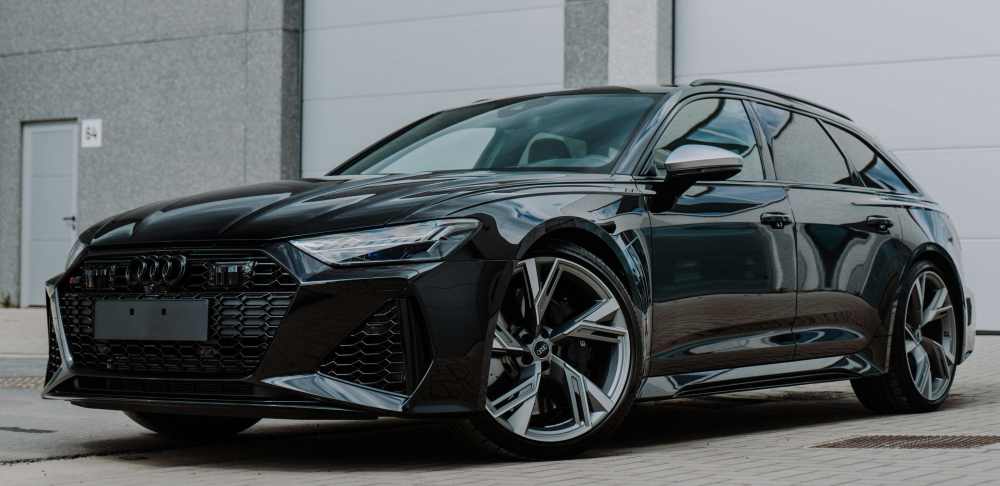
Audi Specialist Services & Fault Code Diagnostics Aldermaston | Mechalex

Choosing Mechalex for your Audi’s servicing and repairs means entrusting your vehicle to technicians who possess comprehensive, dealer-level expertise without the dealership price tag. Our state-of-the-art Aldermaston workshop is equipped with the very latest official Audi diagnostic tools and specialised equipment. We are committed to using genuine Audi parts or meticulously sourced OEM equivalents, safeguarding your vehicle’s integrity and value. Our approach combines technical precision with a transparent, customer-focused service, providing you with peace of mind and the confidence that your Audi is receiving the very best care available.
Why Mechalex?

Manufacturer or equivalent parts
We only use original parts or exceptional quality alternatives

We use the latest diagnostic tools
We use the latest certified equipment and technology

We offer fully trained technicians
Our technicians have over 30 years experience

We can provide a courtesy car
We have courtesy cars available if you require one

Friendly and reliable service
We make it our business to exceed expectations!
Comprehensive Audi Services at Mechalex Aldermaston
At Mechalex, we offer a full spectrum of specialist services tailored exclusively for your Audi, ensuring every aspect of its performance and reliability is expertly maintained.
For your Audi, precision braking is a cornerstone of its performance and safety engineering, whether it’s the confident stopping power of an A4 or the high-performance demands of an S3 or RS model. At Mechalex in Aldermaston, we recognise the sophistication of Audi’s braking systems, from their advanced ABS and ESP integration to their robust disc and pad setups. We ensure that every Audi receives braking attention that upholds its renowned safety standards and dynamic capabilities. Our expertise covers all Audi models, guaranteeing that your Q5 or A6 maintains optimal stopping power, giving you peace of mind on every journey.
For Audi’s sophisticated engines, from the popular 1.8 TFSI in an A3 to the robust 2.0 TDI in an A4 or Q5, the cambelt (timing belt) and water pump are absolutely critical for their long-term health and performance. Audi’s engineering demands precise timing, and a failing cambelt can lead to catastrophic engine damage. At Mechalex in Aldermaston, we specialize in the meticulous replacement of these components for all Audi models, ensuring your vehicle’s engine timing is perfectly maintained and its cooling system operates flawlessly, safeguarding your investment.
Audi vehicles are renowned for their cutting-edge technology and intricate electronic systems, from the sophisticated MMI infotainment to advanced driver-assistance features in models like the A6, Q7, or the TT. When a warning light illuminates your Audi’s dashboard, or a complex issue arises, precise diagnosis is paramount. At Mechalex in Aldermaston, we employ dealer-level ODIS and VCDS diagnostic tools specifically tailored for Audi vehicles. This enables us to accurately pinpoint faults within your Audi’s extensive network of control modules, ensuring an effective and swift resolution that avoids costly guesswork.
Audi’s S tronic transmissions, the brand’s nomenclature for its Direct Shift Gearbox (DSG) technology, are celebrated for their lightning-fast shifts and efficiency, whether in an A3, a high-performance S model, or even a Q7. These sophisticated dual-clutch units demand meticulous, regular maintenance, specifically critical fluid and filter changes. At Mechalex in Aldermaston, we specialise in precise S tronic (DSG) servicing for all Audi models, ensuring your transmission continues to deliver seamless power transfer and optimal performance, safeguarding against costly long-term issues.
Audi’s legendary “Quattro” all-wheel-drive system, particularly in transverse-engined models like the A3, Q3, or TT, often utilises a Haldex-based system for intelligent power distribution. This advanced AWD system provides superior grip and stability, crucial for Audi’s dynamic driving experience. At Mechalex in Aldermaston, we specialise in the critical maintenance of your Audi’s Haldex unit, including essential oil and filter changes. This ensures the system remains responsive, delivering reliable traction and upholding the renowned Quattro performance that Audi owners expect.
For Audi models equipped with manual or DSG transmissions, such as certain A3, A4, or TT variants, the clutch system is fundamental to the brand’s commitment to precise control and engaging driving dynamics. A healthy clutch ensures seamless power delivery from the engine to the gearbox, enabling smooth gear changes and optimal performance. At Mechalex in Aldermaston, we understand the specific engineering of Audi clutches. We provide expert diagnosis, repair, and replacement services, ensuring your Audi maintains its crisp, responsive feel and long-term reliability.
Audi vehicles are celebrated for their refined ride quality, precise steering, and dynamic handling, whether it’s the composed comfort of an A8 or the agile responsiveness of an RS5. The sophisticated steering and suspension systems are central to this experience, often featuring advanced components like adaptive dampers or dynamic steering. At Mechalex in Aldermaston, we possess specialist expertise in diagnosing and repairing all aspects of your Audi’s chassis. We ensure your A6 or Q3 maintains its superior handling, ride comfort, and crucial safety, keeping every drive balanced and controlled.
Audi’s innovative FSI, TFSI, and TSI direct injection petrol engines are celebrated for their power and efficiency, yet they are inherently susceptible to carbon build-up on intake valves. This issue, unique to direct injection, can significantly reduce performance in models like the A3 2.0 TFSI, A4 1.8 TFSI, or even the 3.0 TFSI in an A6 or Q7. At Mechalex in Aldermaston, we specialize in professional VAG walnut blasting, meticulously removing these deposits to restore your Audi’s original power, smooth idle, and fuel economy, ensuring its sophisticated engine performs as intended.
Audi vehicles offer a truly premium cabin experience, largely thanks to their advanced climate control systems, often featuring multi-zone settings and sophisticated air filtration. Whether you’re in an Audi A5 or a Q7, a perfectly functioning air conditioning system is crucial for comfort, air quality, and demisting. At Mechalex in Aldermaston, we specialise in comprehensive VAG air conditioning service, ensuring your Audi’s system delivers crisp, cold air, free from odours, and operates efficiently. We handle both older R134a and newer R1234yf refrigerants, providing tailored care for your Audi’s specific needs.
Audi vehicles, particularly their TFSI, TSI, and TDI engines found in popular models like the S3, RS4, Golf R (based on VW platform), or potent Q7 TDIs, offer significant untapped performance potential. At Mechalex in Aldermaston, we specialise in professional VAG tuning that safely unlocks this hidden power. Our remapping services meticulously optimise your Audi’s Engine Control Unit (ECU) settings, delivering substantial gains in horsepower and torque, improved throttle response, and often enhanced fuel efficiency. We transform your Audi’s already impressive capabilities into an even more exhilarating and responsive driving machine.
- 00301 / P01316: ABS Return Flow Pump (V39) – Implies an issue with the pump that controls fluid return during ABS activation.
- 00473 / P01915: Electronic Park Brake (EPB) Control Module – Indicates a fault within the electronic parking brake system, common in newer Audi models.
- 00526 / P01314: Brake Light Switch (F) – Often causes issues with brake lights or cruise control functionality.
- 00810 / P01007: Brake Pressure Sensor 1 (G201) – Crucial for ESP and ABS function, a fault here affects braking stability and safety.
- 01130 / P00668: ABS Operation – Implies a general fault within the Anti-lock Braking System, requiring deeper diagnosis.
- 01309 / P00813: Power Steering Control Module (J500) – Can sometimes be linked to braking issues due to shared sensor data or electrical systems.
- 01416 / P00140: Brake Fluid Level Sensor (F34) – Indicates low brake fluid, a critical safety warning that requires immediate attention.
- 01423 / P01130: Lateral Acceleration Sensor (G200) – Vital for ESP and stability control, a fault will impact dynamic braking performance.
- 16352 / P01272: Electronic Damper Control Module (J257) – While primarily suspension, this can indirectly affect braking stability, especially in models with adaptive damping.
- 18057 / P1649: Powertrain Databus (J533) – Missing message from ABS control module – Signifies a communication problem between critical control modules.
- P0011 / 16395: Camshaft Position “A” – Timing Over-Advanced or System Performance (Bank 1) – Suggests incorrect engine timing, possibly due to a stretched cambelt or tensioner issue.
- P0016 / 16400: Crankshaft Position – Camshaft Position Correlation (Bank 1 Sensor A) – Direct indication of a timing discrepancy between the crankshaft and camshaft, often due to cambelt issues.
- P0340 / 16724: Camshaft Position Sensor (G40) Circuit Malfunction – A faulty sensor can give incorrect readings, but sometimes points to underlying timing issues if readings are implausible.
- P0117 / 16481: Engine Coolant Temperature Sensor (G62) Circuit Low Input – Can be related to cooling system problems, including the water pump.
- P0128 / 16512: Coolant Thermostat (Coolant Temperature Below Regulating Temperature) – Often linked to a faulty thermostat, but also potentially a failing water pump not circulating coolant efficiently.
- P261A / 19042: Coolant Pump “B” Control Circuit / Open – Specific to electric coolant pumps found in some modern Audi engines, indicating an electrical fault.
- P2181 / 18619: Performance Malfunction in Cooling System – A general code indicating the cooling system isn’t reaching or maintaining optimal temperature, potentially due to water pump failure.
- P261C / 19044: Coolant Pump “B” Control Circuit Low – Another specific code for electrical issues with the control circuit of an electric coolant pump.
- P0171 / 16555: System Too Lean (Bank 1) – Common for fuel system issues, vacuum leaks, or Mass Air Flow (MAF) sensor problems.
- P0420 / 16804: Catalyst System Efficiency Below Threshold (Bank 1) – Indicates an issue with the catalytic converter or its associated oxygen sensors, affecting emissions.
- P0441 / 16825: Evaporative Emission Control System Incorrect Purge Flow – Related to the EVAP system, often for emissions control and fuel vapour management.
- P0455 / 16839: Evaporative Emission Control System Leak Detected (Gross Leak) – Another EVAP system code, specifically for a significant leak in the fuel vapour system.
- P0507 / 16891: Idle Air Control System RPM Higher Than Expected – Suggests an idle control issue, possibly due to a vacuum leak or faulty idle control valve.
- P0300: Random/Multiple Cylinder Misfire Detected – A general code indicating misfires are occurring in multiple cylinders.
- P0301 – P0306 / 16685 – 16690: Cylinder 1-6 Misfire Detected – Specific misfires often caused by spark plugs, ignition coils, or injector issues, but also carbon buildup in TFSI/TSI engines.
- P1114 / 17522: Oxygen Sensor Heater Circuit, Bank 1 Sensor 2 – Implies an issue with the post-catalytic converter oxygen sensor’s heater circuit.
- U0101: Lost Communication With TCM (Transmission Control Module) – A communication error between modules, indicating a network issue preventing data exchange.
- B1000: Control Module Faulty – A generic code suggesting an internal fault with a specific control module.
- C1014: Right Front Wheel Speed Sensor (G45) Implausible Signal – An ABS/ESP related code affecting wheel speed readings, impacting various safety systems.
- P17BF / 006079: Hyd. Pump Play Protection, DSG Clutch – Implies issues with the hydraulic pump’s function or the mechatronic unit’s internal pressure.
- P17D8 / 006096: Torque Limitation Due to Clutch Temperature – Indicates the clutch is overheating, often due to wear or system malfunction.
- P173A / 006458: Valve 1 in Gearbox Not Working – Specific mechatronic unit valve fault affecting gear selection or engagement.
- P174B / 006475: Valve 4 in Gearbox Not Working – Another specific mechatronic unit valve fault affecting gearbox operation.
- P1740 / 006464: Clutch Temperature Monitoring – Indicates a problem with the temperature sensor or its readings for the clutch.
- P189C / 006300: Function Restriction Due to Pressure Drop – Suggests insufficient fluid pressure within the DSG gearbox, severely affecting its operation.
- P073B: Stuck in Gear – Can be caused by mechatronic failure or mechanical issues within the gearbox, leading to the transmission being unable to shift.
- P2711 / 19283: Unexpected Mechanical Gear Disengagement – Points to an unexpected gear selection or loss of gear, often due to an internal gearbox or mechatronic issue.
- P0715 / 17000: Input/Turbine Speed Sensor A Circuit Malfunction – A fault with a sensor crucial for the transmission’s gear change logic and shift points.
- P0841 / 17225: Transmission Fluid Pressure Sensor/Switch “A” Circuit Range/Performance – Indicates issues with the transmission fluid pressure readings, vital for hydraulic control.
- 01155 / P00473: Clutch for 4WD (G198) – Electrical Malfunction – Indicates an electrical fault with the Haldex clutch unit itself, affecting power distribution.
- 02248 / P00880: Valve for Clutch for 4WD (N373) – Electrical Malfunction – Points to an issue with the solenoid valve controlling Haldex clutch engagement.
- 01324 / P00812: Control Module for All Wheel Drive (J492) – No Signal/Communication / Faulty – A serious communication error or internal fault with the Haldex control unit, leading to loss of AWD function.
- 00003 / P00003: Control Module (J492) – Mechanical Fault – Suggests a mechanical issue within the Haldex unit itself, potentially the pump or internal components.
- 00001 / P00001: Haldex Pump (V181) – Implausible Signal – Points to an issue with the Haldex oil pump, which is critical for system operation and clutch activation.
- P0562 / 001408: System Voltage Low – While general, low system voltage can sometimes impact the Haldex control module’s operation and communication.
- P1889 / 006281: Valve for All Wheel Drive Clutch (N373) – Short to Ground – An electrical short within the valve controlling the Haldex clutch, preventing proper engagement.
- 00002 / P00002: Pressure Sensor 1 for All Wheel Drive (G258) – Implausible Signal – Indicates a fault with the pressure sensor in the Haldex unit, affecting pressure regulation.
- P0805 / 17189: Clutch Position Sensor Circuit Malfunction – A common code indicating an issue with the sensor that tells the ECU the clutch pedal’s position.
- P080A / 17194: Clutch Position Not Learned – Can occur after clutch component replacement or if the system needs calibration.
- P0807 / 17191: Clutch Position Sensor Circuit Low – Implies a low voltage reading from the clutch position sensor, potentially due to wiring or sensor fault.
- P0808 / 17192: Clutch Position Sensor Circuit High – Implies a high voltage reading from the clutch position sensor.
- P0704 / 17088: Clutch Switch Input Circuit Malfunction – Relates to the clutch pedal switch, which is vital for starting the engine and cruise control disengagement.
- 01044 / P00416: Control Module Incorrectly Coded – While general, an incorrect coding in a related module could affect clutch-related system interactions.
- 18263 / P1855: Powertrain Databus – Implausible Message from ABS Control Module – Can be an indirect code if clutch issues cause feedback that affects related systems’ communication.
- 00778 / P00382: Steering Angle Sensor (G85) – Implausible Signal – A critical sensor for ESP and dynamic steering, a fault here significantly affects handling and stability.
- 01316 / P00813: Brake Control Module (J104) – Implausible Signal – Can relate to steering issues due to shared sensor data (e.g., yaw rate sensor for vehicle dynamics).
- 00557 / P00277: Pressure Sensor for Power Steering (G269) – Implausible Signal – Specific to hydraulic power steering systems, indicating an issue with fluid pressure readings.
- 02546 / P01004: Steering Limit Stop – Indicates an issue with the steering rack’s end stops, possibly affecting steering calibration or full lock.
- 01309 / P00813: Power Steering Control Module (J500) – No Signal/Communication – Indicates a communication error or internal fault with the electric power steering unit.
- 01323 / P00810: Control Module for Active Dampers (J257) – No Signal/Communication / Faulty – Specific to Audi models with adaptive suspension, indicating a communication issue or internal fault with the damping control module.
- 01486 / P00140: System Function Test Active – Sometimes appears during or after suspension work, indicating a system re-learn or calibration is active.
- 16352 / P01272: Electronic Damper Control Module (J257) – Implausible Signal – Indicates a problem with the adaptive suspension system’s readings or functionality.
- 00668 / P00330: Supply Voltage Terminal 30 – Low Voltage – General, but low voltage can significantly affect sensitive steering/suspension electronics and their operation.
- P0300: Random/Multiple Cylinder Misfire Detected – Very common with carbon build-up, as airflow is restricted unevenly across cylinders.
- P0301 – P0306 / 16685 – 16690: Cylinder 1-6 Misfire Detected – Specific misfires often caused by severe carbon restricting valve movement or airflow.
- P0171 / 16555: System Too Lean (Bank 1) – Can be caused by reduced airflow due to carbon, leading the ECU to detect insufficient fuel.
- P2187 / 18579: System Too Lean at Idle (Bank 1) – Specifically points to lean conditions at idle, often exacerbated by carbon build-up on valves.
- P2015 / 008195: Intake Manifold Flap Position Sensor (G336) Implausible Signal – Carbon can bind the intake manifold flaps, causing incorrect position readings.
- P2004 / 008196: Intake Manifold Runner Control (IMRC) Stuck Open (Bank 1) – Directly related to intake manifold flaps being stuck open by carbon deposits.
- P2008 / 008200: Intake Manifold Runner Control (IMRC) Circuit Open (Bank 1) – While electrical, carbon can cause mechanical binding that overloads circuits, leading to this code.
- P0420 / 16804: Catalyst System Efficiency Below Threshold (Bank 1) – Severe, long-term misfires due to carbon can damage the catalytic converter.
- P0101 / 16485: Mass Air Flow (MAF) Sensor (G70) Circuit Range/Performance Problem – While a MAF sensor fault, carbon restriction can lead to inaccurate airflow readings.
- 00668 / P00330: Supply Voltage Terminal 30 – Low Voltage – General, but low voltage can significantly affect sensitive steering/suspension electronics and their operation.
- 00819 / P00407: High Pressure Sensor (G65) – Open or Short to Plus – Indicates an issue with the A/C system’s high-pressure sensor, crucial for its operation.
- 00820 / P00408: A/C Refrigerant Pressure Sensor (G65) – Implausible Signal – Implies incorrect pressure readings from the A/C refrigerant system.
- 01273 / P00625: Fresh Air Blower (V2) – A common fault code for the main cabin fan (blower motor).
- 00799 / P00399: Engine Coolant Temperature Sensor (G62) – While engine-related, cooling system issues can directly affect A/C performance and system protection.
- 01596 / P00798: Motor for Fresh Air/Recirculation Flap (V154) – Indicates a problem with the flap controlling fresh air or recirculation, affecting cabin airflow.
- 01809 / P00897: Actuating Motor for Temperature Flap (V68) – Faulty – Specific to temperature control within the climate system, affecting desired cabin temperature.
- 01844 / P00924: Control Module for A/C System (J255) – Faulty – Indicates an internal fault with the main A/C control module itself.
- P0530 / 16894: A/C Refrigerant Pressure Sensor A Circuit Malfunction – Generic code for an A/C pressure sensor fault.
- B10A4: Refrigerant Pressure Sensor – Electrical fault – Indicates an electrical issue with the A/C refrigerant pressure sensor.
- B10B4: Evaporator Temperature Sensor – Electrical fault – Indicates a problem with the sensor measuring evaporator temperature, affecting cooling and defrost.
- 00668 / P00330: Supply Voltage Terminal 30 – Low Voltage – General, but low voltage can significantly affect sensitive steering/suspension electronics and their operation.
- P0299 / 16683: Turbocharger/Supercharger Underboost – Could indicate a leak or wastegate issue, or if a tune requests more boost than the turbo can deliver.
- P0234 / 16684: Turbocharger/Supercharger Overboost Condition – Can occur if tuning is too aggressive for wastegate control or a sensor issue develops with higher boost.
- P0172 / 16556: System Too Rich (Bank 1) – Less common with reputable tunes, but can happen if fuel delivery isn’t correctly managed for increased power.
- P2279 / 18663: Intake Air System Leak – Any boost leak will severely impact tuning results and cause issues. Crucial to fix before tuning for safety and performance.
- P0033 / 16417: Turbocharger/Supercharger Bypass Valve “A” Control Circuit/Open – If the diverter/blow-off valve cannot handle increased boost pressures, this may be triggered.
- P0601 / 16985: Internal Control Module Memory Check Sum Error – Rarely, with very poor or interrupted flashes. Indicates a corrupted ECU tune, requiring specialist intervention. This is a severe warning.
Understanding Common Audi Fault Codes
When your Audi’s advanced systems detect an issue, they store specific Diagnostic Trouble Codes (DTCs) that can pinpoint the problem. Below are common fault codes frequently seen in Audi vehicles, grouped by the relevant service area. These insights help guide our specialist diagnostics at Mechalex Aldermaston.

Audi Models
This section provides a comprehensive overview of Audi’s diverse model lineup over the past three decades, highlighting key generations, common engine types, and body styles.
- 8X (2010-2018) – 1.2 TFSI, 1.4 TFSI, 1.8 TFSI, 1.6 TDI, 2.0 TDI (Hatchback, Sportback)
- GB (2018-Present) – 1.0 TFSI, 1.5 TFSI, 2.0 TFSI (Sportback)
- 8L (1996-2003) – 1.6, 1.8, 1.8T, 1.9 TDI (3-Door Hatchback, 5-Door Hatchback)
- 8P (2003-2013) – 1.6 FSI, 1.8 TFSI, 2.0 FSI/TFSI, 1.6 TDI, 2.0 TDI (3-Door Hatchback, Sportback, Cabriolet)
- 8V (2012-2020) – 1.0 TFSI, 1.4 TFSI, 1.5 TFSI, 1.8 TFSI, 2.0 TFSI, 1.6 TDI, 2.0 TDI, e-tron (PHEV) (Hatchback, Sportback, Saloon, Cabriolet)
- 8Y (2020-Present) – 1.0 TFSI, 1.5 TFSI, 2.0 TFSI, 2.0 TDI, 40 TFSI e (PHEV) (Sportback, Saloon)
- B5 (1994-2001) – 1.6, 1.8, 1.8T, 2.4 V6, 2.8 V6, 1.9 TDI, 2.5 TDI (Saloon, Avant)
- B6 (2000-2004) – 1.8T, 2.0, 2.0 FSI, 2.4 V6, 3.0 V6, 1.9 TDI, 2.5 TDI (Saloon, Avant, Cabriolet)
- B7 (2004-2008) – 1.8 TFSI, 2.0 TFSI, 3.2 FSI, 2.0 TDI, 2.7 TDI, 3.0 TDI (Saloon, Avant, Cabriolet)
- B8 (2007-2016) – 1.8 TFSI, 2.0 TFSI, 3.0 TFSI, 3.2 FSI, 2.0 TDI, 2.7 TDI, 3.0 TDI (Saloon, Avant, Allroad)
- B9 (2015-Present) – 1.4 TFSI, 2.0 TFSI, 3.0 TFSI, 2.0 TDI, 3.0 TDI, 35/40/45 TFSI e (PHEV) (Saloon, Avant, Allroad)
- 8T/8F (2007-2016) – 1.8 TFSI, 2.0 TFSI, 3.0 TFSI, 3.2 FSI, 2.0 TDI, 2.7 TDI, 3.0 TDI (Coupe, Sportback, Cabriolet)
- F5 (2016-Present) – 2.0 TFSI, 3.0 TFSI, 2.0 TDI, 3.0 TDI (Coupe, Sportback, Cabriolet)
- C4 (1994-1997) – 1.8, 2.0, 2.6 V6, 2.8 V6, 1.9 TDI, 2.5 TDI (Saloon, Avant)
- C5 (1997-2004) – 1.8T, 2.4 V6, 2.7T V6, 2.8 V6, 3.0 V6, 4.2 V8, 1.9 TDI, 2.5 TDI (Saloon, Avant, Allroad)
- C6 (2004-2011) – 2.0 TFSI, 2.4 FSI, 2.8 FSI, 3.0 TFSI, 3.2 FSI, 4.2 FSI, 2.0 TDI, 2.7 TDI, 3.0 TDI (Saloon, Avant, Allroad)
- C7 (2011-2018) – 2.0 TFSI, 2.8 FSI, 3.0 TFSI, 4.0 TFSI, 2.0 TDI, 3.0 TDI, 50 TFSI e (PHEV) (Saloon, Avant, Allroad)
- C8 (2018-Present) – 2.0 TFSI, 3.0 TFSI, 2.0 TDI, 3.0 TDI, 50/55 TFSI e (PHEV) (Saloon, Avant, Allroad)
- C7 (2010-2018) – 2.0 TFSI, 2.8 FSI, 3.0 TFSI, 3.0 TDI (Sportback)
- C8 (2018-Present) – 2.0 TFSI, 3.0 TFSI, 3.0 TDI, 50/55 TFSI e (PHEV) (Sportback)
- D2 (1994-2002) – 2.8 V6, 3.7 V8, 4.2 V8, 2.5 TDI, 3.3 TDI (Saloon)
- D3 (2002-2010) – 3.2 FSI, 4.2 FSI, 5.2 FSI, 6.0 W12, 3.0 TDI, 4.0 TDI, 4.2 TDI (Saloon)
- D4 (2010-2017) – 3.0 TFSI, 4.0 TFSI, 6.3 W12, 3.0 TDI, 4.2 TDI (Saloon)
- D5 (2017-Present) – 3.0 TFSI, 4.0 TFSI, 3.0 TDI, 60 TFSI e (PHEV) (Saloon)
GA (2016-Present) – 1.0 TFSI, 1.5 TFSI, 2.0 TFSI, 1.6 TDI, 2.0 TDI (SUV)
- 8U (2011-2018) – 1.4 TFSI, 2.0 TFSI, 2.0 TDI (SUV)
- F3 (2018-Present) – 1.5 TFSI, 2.0 TFSI, 2.0 TDI, 45 TFSI e (PHEV) (SUV, Sportback)
- 8R (2008-2017) – 2.0 TFSI, 3.0 TFSI, 3.2 FSI, 2.0 TDI, 3.0 TDI (SUV)
- FY (2017-Present) – 2.0 TFSI, 2.0 TDI, 3.0 TDI, 50/55 TFSI e (PHEV) (SUV, Sportback)
- 4L (2005-2015) – 3.0 TFSI, 3.6 FSI, 4.2 FSI, 3.0 TDI, 4.2 TDI, 6.0 TDI (V12) (SUV)
- 4M (2015-Present) – 2.0 TFSI, 3.0 TFSI, 3.0 TDI, 55/60 TFSI e (PHEV) (SUV)
- 4M (2018-Present) – 3.0 TFSI, 3.0 TDI, 55 TFSI e (PHEV) (SUV)
- GE (2022-Present) – 50 e-tron, 55 e-tron (Electric) (SUV, Sportback – rebadged e-tron SUV and Sportback models)
- 8N (1998-2006) – 1.8T, 3.2 VR6 (Coupe, Roadster)
- 8J (2006-2014) – 1.8 TFSI, 2.0 TFSI, 2.0 TDI, 3.2 V6 (Coupe, Roadster)
- FV/8S (2014-2023) – 1.8 TFSI, 2.0 TFSI, 2.0 TDI (Coupe, Roadster)
- 42 (2006-2015) – 4.2 V8 FSI, 5.2 V10 FSI (Coupe, Spyder)
- 4S (2015-2024) – 5.2 V10 FSI (Coupe, Spyder)
- 8L (1999-2003) – 1.8T (Hatchback)
- 8P (2006-2012) – 2.0 TFSI (Hatchback, Sportback, Cabriolet)
- 8V (2013-2020) – 2.0 TFSI (Hatchback, Sportback, Saloon, Cabriolet)
- 8Y (2020-Present) – 2.0 TFSI (Sportback, Saloon)
- B5 (1997-2002) – 2.7T V6 (Saloon, Avant)
- B6 (2003-2005) – 4.2 V8 (Saloon, Avant, Cabriolet)
- B7 (2004-2008) – 4.2 V8 (Saloon, Avant, Cabriolet)
- B8 (2009-2016) – 3.0 TFSI (Saloon, Avant)
- B9 (2017-Present) – 3.0 TFSI (Petrol), 3.0 TDI (Diesel) (Saloon, Avant)
- 8T/8F (2007-2016) – 4.2 FSI V8, 3.0 TFSI (Coupe, Sportback, Cabriolet)
- F5 (2017-Present) – 3.0 TFSI (Petrol), 3.0 TDI (Diesel) (Coupe, Sportback, Cabriolet
- C4 (1994-1997) – 2.2 Turbo I5, 4.2 V8 (Saloon, Avant)
- C5 (1999-2003) – 4.2 V8 (Saloon, Avant)
- C6 (2006-2011) – 5.2 FSI V10 (Saloon, Avant)
- C7 (2012-2018) – 4.0 TFSI (Saloon, Avant)
- C8 (2019-Present) – 3.0 TDI (Diesel) (Saloon, Avant)
- C7 (2012-2018) – 4.0 TFSI (Sportback)
- C8 (2019-Present) – 3.0 TDI (Diesel) (Sportback)
- D2 (1996-2002) – 4.2 V8 (Saloon)
- D3 (2006-2010) – 5.2 FSI V10 (Saloon)
- D4 (2012-2017) – 4.0 TFSI (Saloon)
- D5 (2019-Present) – 4.0 TFSI (Saloon)
GA (2019-Present) – 2.0 TFSI (SUV)
- 8R (2013-2017) – 3.0 TFSI (Petrol), 3.0 TDI (Diesel) (SUV)
- FY (2017-Present) – 3.0 TFSI (Petrol), 3.0 TDI (Diesel) (SUV, Sportback)
4M (2019-Present) – 4.0 TDI (Diesel), 4.0 TFSI (Petrol) (SUV)
- 8N (1999-2006) – 1.8T (Coupe, Roadster)
- 8J (2008-2014) – 2.0 TFSI (Coupe, Roadster)
- FV/8S (2014-2023) – 2.0 TFSI (Coupe, Roadster)
- GE (2020-Present) – High-Performance Electric (SUV, Sportback – e-tron S, SQ8 e-tron)
- E-SUV (2023-Present) – High-Performance Electric (SQ4 e-tron)
Audi S Models
Audi’s performance sub-brand, S, offers enhanced power, handling, and distinctive styling. These S models represent a strong performance upgrade compared to their model counterparts.
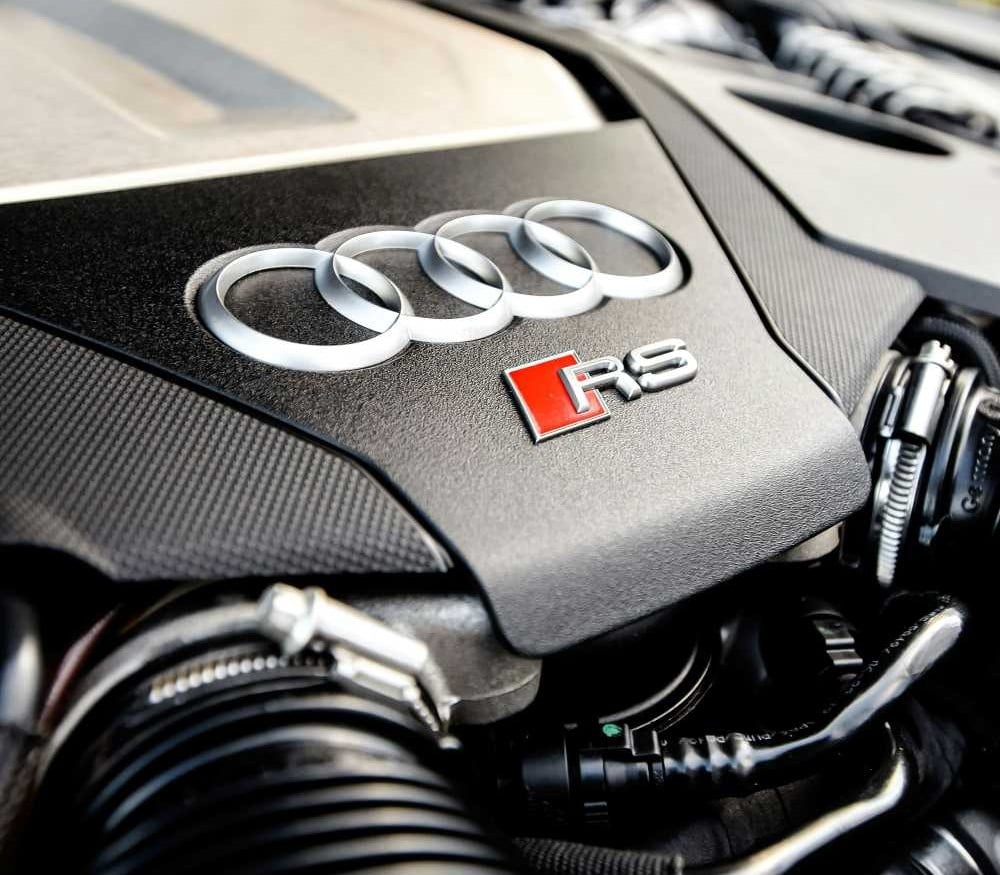
Audi RS Models
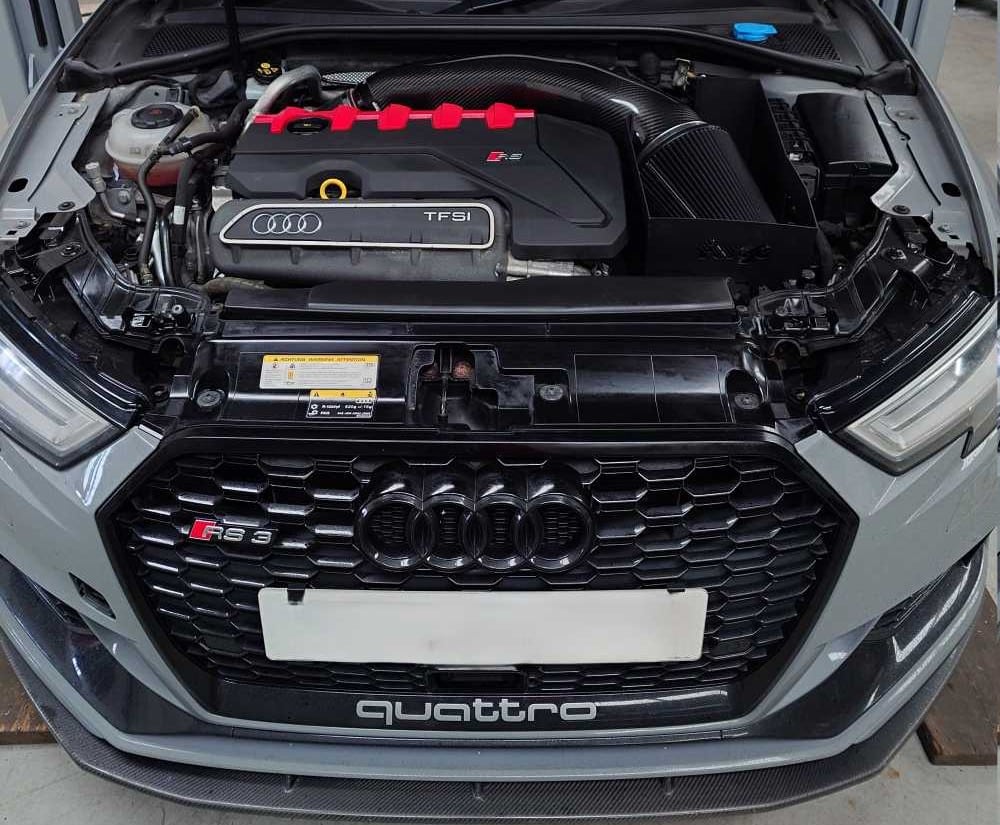
Audi’s all out performance sub-brand RS (RennSport), offer enhanced power, handling, and distinctive styling. These RS models are the pinnacle of performance within each series, with the original being an RS2 (very rare!)
- 8P (2011-2012) – 2.5 TFSI (Sportback)
- 8V (2015-2020) – 2.5 TFSI (Sportback, Saloon)
- 8Y (2021-Present) – 2.5 TFSI (Sportback, Saloon)
- B5 (1999-2001) – 2.7T V6 (Avant)
- B7 (2006-2008) – 4.2 V8 FSI (Saloon, Avant, Cabriolet)
- B8 (2012-2015) – 4.2 V8 FSI (Avant)
- B9 (2017-Present) – 2.9 TFSI (Avant)
- 8T (2010-2016) – 4.2 V8 FSI (Coupe, Cabriolet)
- F5 (2017-Present) – 2.9 TFSI (Coupe, Sportback)
- C5 (2002-2004) – 4.2 Bi-Turbo V8 (Saloon, Avant)
- C6 (2008-2010) – 5.0 V10 TFSI (Avant, Saloon)
- C7 (2013-2018) – 4.0 TFSI (Avant)
- C8 (2019-Present) – 4.0 TFSI (Avant)
- C7 (2013-2018) – 4.0 TFSI (Sportback)
- C8 (2019-Present) – 4.0 TFSI (Sportback)
- 8U (2013-2018) – 2.5 TFSI (SUV)
- F3 (2019-Present) – 2.5 TFSI (SUV, Sportback)
- 4M (2020-Present) – 4.0 TFSI (SUV)
- 8J (2009-2014) – 2.5 TFSI (Coupe, Roadster)
- FV/8S (2016-2023) – 2.5 TFSI (Coupe, Roadster)
- Electric (2021-Present) – High-Performance Electric (4-door Coupe)
Do not compromise on the performance or safety or your Audi’s performance. If your Audi, is exhibiting any issues, contact Mechalex Limited today for a professional inspection and expert Audi repair in Aldermaston. Our workshop is fully equipped to handle all your Audi needs with unparalleled precision and care. Book your appointment conveniently online or call us directly at 0118 380 1003 to ensure your Audi is always performing at its absolute best. Drive with confidence, choose Mechalex for all your Audi needs!
What do our customers say?