
A warning light pops up on your Škoda, the car still drives, and you are left deciding whether it is a quick sensor or the start of an expensive problem. This is where the difference between a general workshop and a skoda specialist garage shows up fast – not in the greeting at reception, but in how quickly the right fault is found, how accurately it is fixed, and whether you pay once or twice.
Škodas are often brilliantly logical cars to own. They are also part of the wider Volkswagen Audi Group ecosystem, which means a lot of the clever engineering is shared across Audi, Volkswagen and SEAT. That shared DNA is great for parts availability and proven platforms, but it also means modern Škodas can be very particular about diagnosis, software, service procedures and component matching. A specialist garage is set up for that reality.
What “specialist” actually means for a Škoda
A true specialist is not just a garage that “works on VAG”. It is a workshop that sees the same engines, gearboxes and electrical architectures every week. That repetition builds pattern recognition – and pattern recognition is what cuts through the usual frustration of intermittent faults, vague symptoms and “it might be this” guesswork.
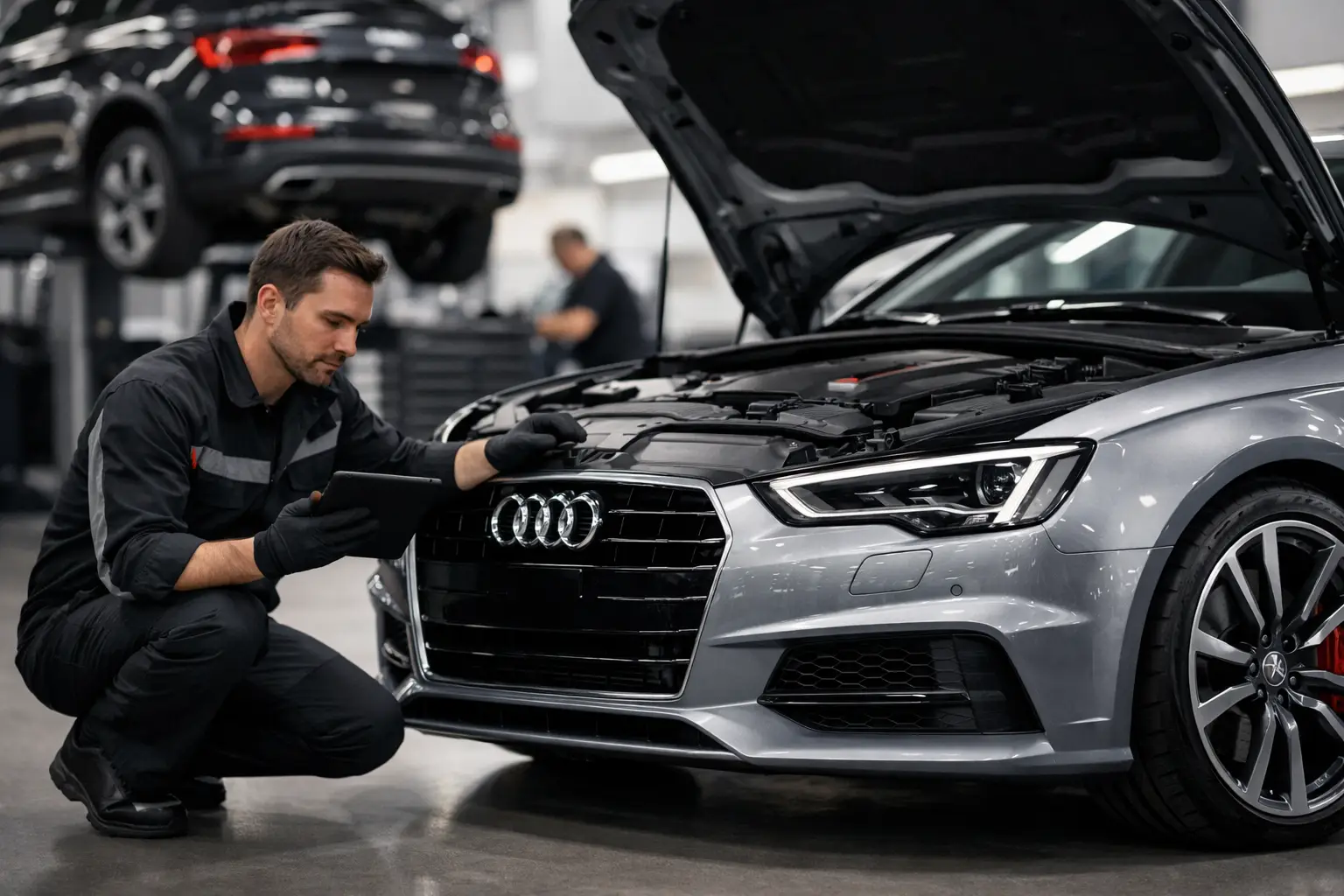
On a practical level, specialism normally comes down to four things: technicians who know the common failure points by model and engine code, diagnostic equipment that can communicate properly with all the control modules, access to the right technical data and service schedules, and a parts standard that matches what the car expects.
It also means understanding what matters to you. If your Octavia is a daily commuter car, you want reliability and sensible costs. If you run a vRS and enjoy the performance, you want work that protects the drivetrain and keeps it sharp, not modifications that create new problems.
Dealer-level capability without the dealer routine
Many Škoda owners default to the main dealer because it feels like the safest option, especially with newer cars. The trade-off is usually cost and flexibility. Dealers can be excellent, but they are often tied to rigid menu pricing, limited time per job and a process that is not designed around local convenience.
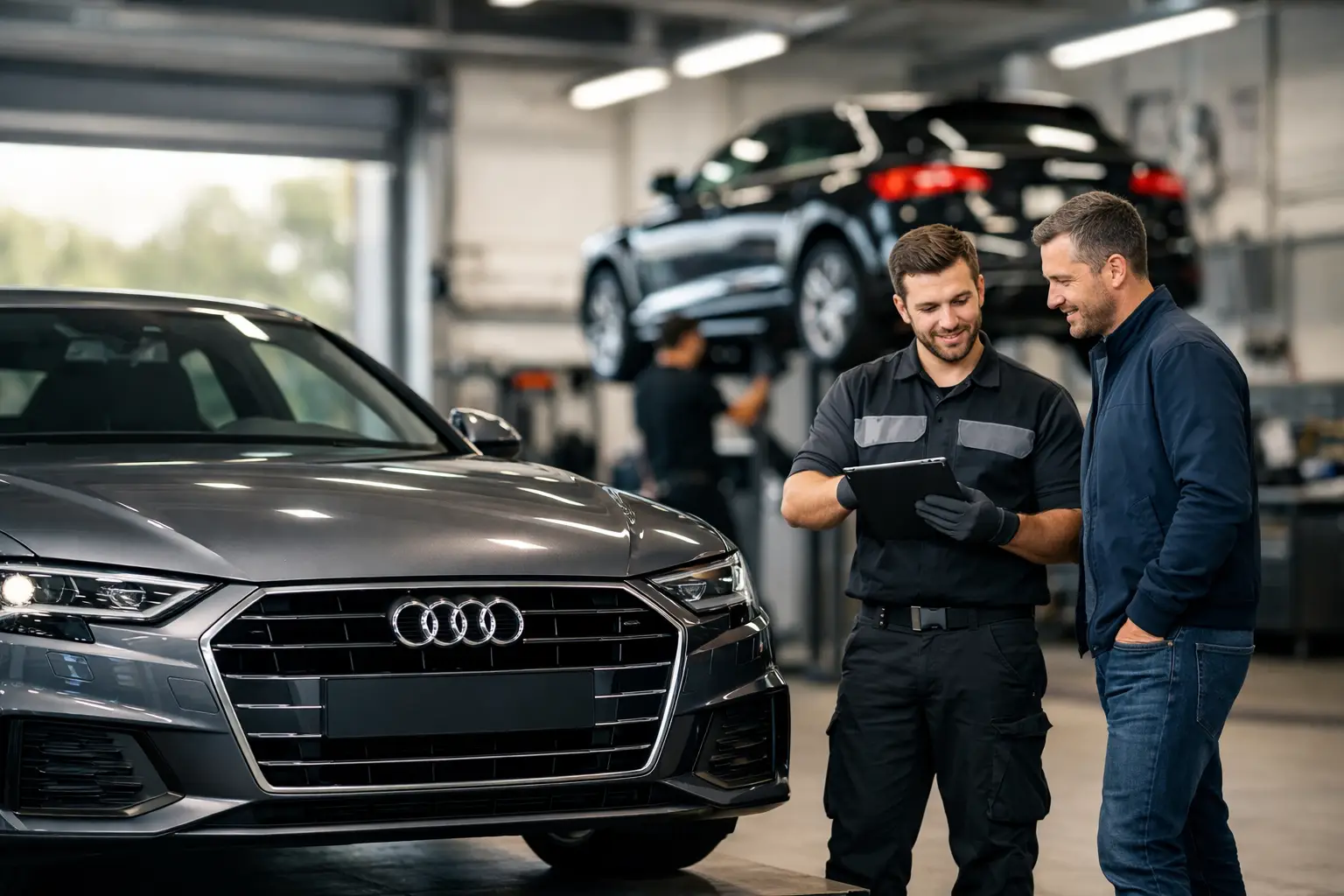
A specialist independent can be a better fit when you want the same technical standard with a more personal service experience. You can talk through the symptoms with someone who will actually be involved in the diagnosis. You can make decisions based on the condition of your specific car, not a one-size schedule. And if the car needs deeper fault-finding, you are not fighting the economics of a service department that is geared around volume.
That said, it depends. If your car is in a manufacturer warranty period and the issue is clearly covered, using the dealer can be the sensible route. The point is not that one option is always right, but that a specialist garage gives you a strong alternative when the dealer route becomes expensive, slow, or overly generic.
Why Škoda diagnostics can’t be “close enough”
Modern Škodas are packed with modules that talk to each other. A fault code is rarely the whole story. You need live data, adaptation checks, component tests and, crucially, context from similar cases.
For example, a DSG issue may show up as a drivability complaint: hesitation, a shudder pulling away, or odd shift timing. A generic scan might point you towards a clutch pack, a sensor, or a mechatronic unit. A specialist approach looks at service history (particularly DSG oil changes), measures values that indicate wear or adaptation drift, checks software where relevant, and then recommends a fix that matches the evidence.
The same applies to electrical faults that appear unrelated. A battery that is ageing, a poor ground connection, or a module that is unhappy after a low-voltage event can create a chain of warning lights. Throwing parts at it is easy. Diagnosing it properly is what saves money.
The Škoda jobs where specialism pays off
Routine servicing is not glamorous, but it is where a lot of long-term reliability is won or lost. On VAG cars, the details matter: correct oil spec, correct intervals, correct procedure, and the right filters. You are not just paying for an oil change. You are paying for someone to follow the right service schedule for your engine and how you use the car.
There are also certain jobs where specialist knowledge and tooling make a noticeable difference.
DSG servicing and drivability faults
DSG gearboxes can be excellent, but they are not forgiving if servicing is skipped or done incorrectly. Using the right fluid, performing the correct temperature-controlled fill procedure, and resetting adaptations where appropriate can be the difference between a gearbox that feels crisp and one that feels confused. If there is a deeper issue, a specialist is more likely to identify whether you are dealing with fluid condition, clutch wear, mechatronic behaviour, or a separate engine-side problem that is being felt through the transmission.
Haldex and 4WD system maintenance
If your Škoda has 4WD, Haldex servicing is often overlooked because the system is quiet when it is healthy. When it is neglected, you may only notice it in poor traction conditions – by which point the pump, filter or fluid may be compromised. A specialist garage will service the Haldex system as a routine item where applicable, and will understand the symptoms when the system is not engaging as it should.
Cambelt and water pump replacement
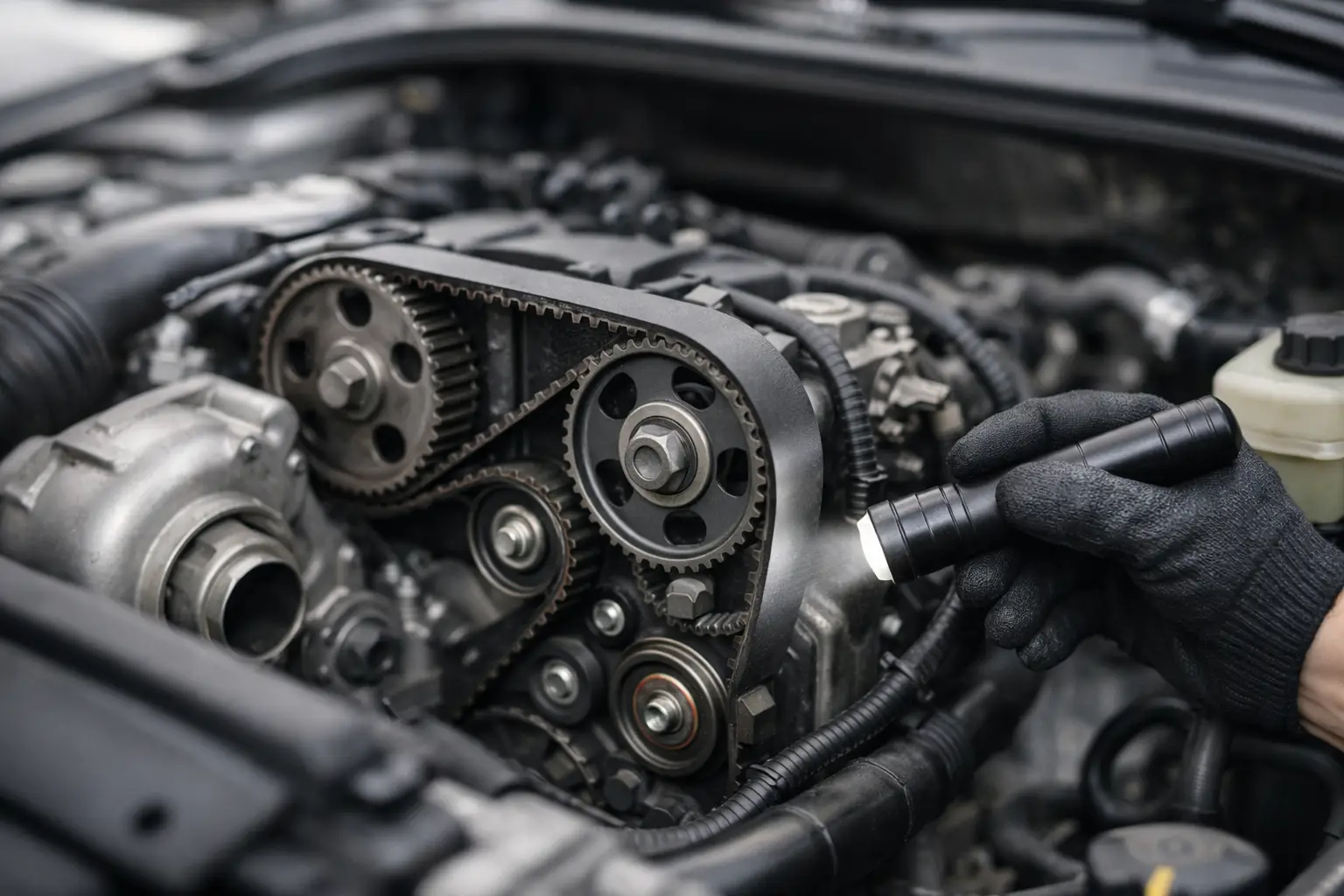
Cambelt intervals are not something to guess. Nor is the quality of parts used. A belt service done properly is preventative maintenance that protects the engine. Done poorly, it is a risk. On many VAG engines, the water pump is part of the job for good reason. Labour overlaps, and a pump failure later can be a false economy. A specialist will advise based on engine type, mileage, age and known patterns, not just what is cheapest today.
Advanced fault-finding and intermittent problems
Intermittent faults are the ones that drain time and patience: a misfire that only happens under load, a warning light that clears itself, a coolant level drop with no obvious leak. Specialists build their workshop systems around this kind of work. That means structured testing, logging data, and the experience to know which checks are worth doing first.
Performance work that does not compromise reliability
There is a big difference between chasing power and improving a car sensibly. On a Škoda vRS, for example, ECU tuning can be done in a way that respects the limits of the drivetrain and keeps the car smooth and usable. Carbon build-up can rob performance and economy on certain direct-injection engines, and walnut blasting is a targeted way to restore airflow and response.
Performance work always involves trade-offs. More power can mean more heat and more load. A specialist will talk that through and advise realistically based on your use – school runs and motorway commuting are different from spirited weekend driving.
What to look for in a skoda specialist garage
The easiest way to separate a true specialist from a generalist is not the signage, it is the detail in the conversation.
A good specialist will ask the right questions: when the issue occurs, whether it is temperature-related, what fuel you use, what the service history looks like, and whether any previous work has been done. They will be specific about parts standards – OEM or equivalent – and they will explain what diagnosis involves before fitting anything.
They should also be realistic about uncertainty. Some faults can be confirmed quickly. Others take time, especially if the car only misbehaves once every few days. If a garage promises a guaranteed instant answer to everything, be cautious. What you want is a structured plan: initial checks, data capture, and clear next steps.
Finally, look at how the garage supports your day-to-day needs. Courtesy cars, clear booking systems, and honest timelines matter when your car is essential rather than a hobby.
Local ownership, local accountability
One of the underrated benefits of using an independent specialist is accountability. When a workshop’s reputation depends on the local area, there is a strong incentive to do the job properly, use the right parts, and stand behind the work.
If you are in or around Aldermaston, Tadley, Basingstoke, Reading or Newbury and you want dealer-grade Škoda servicing and diagnostics without the dealer price structure, Mechalex is set up specifically for VAG vehicles – from routine maintenance and MOT preparation through to DSG and Haldex servicing, mechatronic repairs, cambelt and water pump work, advanced diagnostics, and performance services.
The most useful thing you can do as an owner is treat specialist care as preventative, not reactive. Book the servicing that protects the expensive parts, and when something feels off, get it assessed before it becomes the kind of fault that ruins your week.
If your Škoda is giving you small hints that something is not quite right, listen to it early – the fix is usually simpler when you catch it at the first sign, not the breakdown on the hard shoulder.