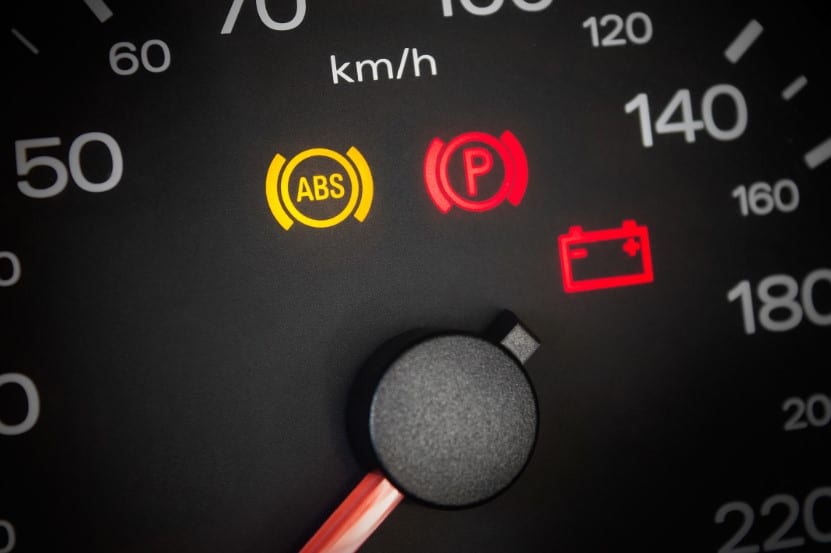
That little service reminder on the dash is rarely the real story.
With SEATs (and the wider VAG family), the difference between a car that feels tight and dependable and one that becomes a monthly nuisance usually comes down to two things: sticking to the right maintenance at the right time, and catching faults before they turn into secondary damage. That is what good seat servicing and repairs should achieve – not just ticking boxes, but keeping your car reliable, safe and economical to run.
What “seat servicing and repairs” actually means for a SEAT
A proper service is preventative maintenance. A repair is corrective work when something is already worn, leaking, noisy, failed or flagged by diagnostics. In the real world they overlap, because servicing often uncovers repairs you can choose to do now (cheaper) or later (usually not cheaper).
For SEAT models built on VAG platforms, servicing should be matched to how you use the car. A short-journey commuter Leon driven in stop-start traffic will load up oil with fuel and moisture far quicker than a motorway-mileage Ibiza. Likewise, a Cupra that sees enthusiastic driving will stress brakes, tyres and cooling in a way a school-run Ateca never will.
What you want from a specialist is straightforward: the correct service schedule for your exact engine and gearbox, quality parts (OEM or equivalent), and diagnostics that interpret fault codes properly rather than guessing.
The service items that genuinely matter (and why)
Engine oil and filter
Oil is not just lubrication – it is temperature control, contamination control and hydraulic control for components like turbochargers and variable valve timing. Longlife intervals can work, but they depend on the right oil spec and the right driving profile. If you do lots of short runs, extended intervals can be a false economy.
If your SEAT has a turbocharged petrol or diesel engine, clean oil and a correct-spec filter are the basics that protect expensive components.
Air, pollen and fuel filters
Air filters are about airflow and turbo health. Pollen filters are about cabin comfort and demisting performance, but they also affect the blower motor load. Fuel filters (where fitted) matter most on diesels, where contamination control supports injector life. Skipping filters is one of the easiest ways to turn “it runs fine” into sluggish performance and harder starting.
Spark plugs (petrol) and glow plugs (diesel)
Modern VAG petrol engines are sensitive to ignition quality. Worn plugs can show up as misfires under load, rough idle and poor fuel economy. Misfires are not just annoying – they can damage catalytic converters if ignored.
Glow plug issues on diesels often present as difficult cold starts or fault lights, and should be handled with care to avoid snapped plugs.
Brake fluid
Brake fluid absorbs moisture over time. That lowers its boiling point, which matters on a long downhill or an urgent stop. It can also encourage internal corrosion in hydraulic components. Regular brake fluid changes are cheap compared with the cost of calipers, ABS hydraulic units or a compromised braking feel.
Coolant condition and correct spec
VAG cooling systems are reliable when maintained and correctly filled. Problems tend to start with small leaks, incorrect coolant mixing, or neglected components around the water pump and thermostat. If you smell coolant, see crusty residue, or notice the heater is inconsistent, you want it checked before overheating becomes the headline.
Repairs we commonly see on SEATs (and the wider VAG range)
Some repairs are simply wear and tear. Others are platform patterns. Either way, good fault-finding saves money because it prevents parts being replaced on a hunch.
Suspension knocks, uneven tyre wear and vague steering
If your SEAT clunks over speed bumps, wanders on the motorway, or chews through tyres, the cause may be worn bushes, drop links, ball joints, top mounts or dampers. The trade-off is timing: you can sometimes live with mild wear for a while, but leaving it too long can take tyres with it and make alignment impossible to set correctly.
A proper inspection looks for play under load, checks for leaking dampers, and then follows up with wheel alignment once worn parts are addressed.
Brakes: judder, squeal and poor bite
Brake judder is often blamed on “warped discs”, but the reality is usually disc thickness variation from pad deposits or overheating. A careful approach looks at driving style, pad choice, caliper condition, and whether the discs were bedded in correctly.
For performance-oriented SEATs, selecting pads that match how the car is driven matters. A quiet comfort pad can feel vague when hot; an aggressive pad can be dusty or noisy. It depends on your priorities.
DSG and automatic gearbox concerns
If you have DSG, servicing is not optional. Fresh correct-spec fluid and filters support the mechatronic unit and clutch operation. Symptoms like shuddering, hesitant take-up, harsh shifts, or PRNDS warnings need a diagnostic-led approach rather than guesswork.
Some faults are software adaptation-related; others are mechanical wear; others point to mechatronic issues. The right fix depends on the data.
Haldex and 4Drive maintenance
For SEATs with Haldex-based four-wheel drive, regular Haldex servicing helps maintain rear drive engagement and protects the pump and filter. A neglected Haldex system can quietly become “front-wheel drive most of the time”, which defeats the point of having it.
Engine management lights and intermittent faults
VAG cars are excellent at logging what they are seeing. The trick is interpreting it. A fault code is a starting point, not the diagnosis. For example, an oxygen sensor code might be caused by an exhaust leak; a boost code might be a split hose, sticky actuator, or a sensor reading out of range.
Intermittent faults are where specialist diagnostics and experience count. You want proper logging, checks of live data, wiring integrity checks where needed, and a repair that fixes the cause rather than clearing the light.
Warning signs you should not ignore
A modern SEAT will often keep driving with a fault present – that does not mean it is safe or economical to keep going.
If you notice coolant loss, a flashing warning light, persistent misfire, overheating, a brake pedal that feels different, or gearbox behaviour that changes suddenly, stop treating it as “one of those things”. Continuing to drive can turn a single component replacement into a chain reaction: overheated engines, damaged catalysts, or gearbox damage that could have been avoided.
On the other hand, not every noise is a crisis. A light suspension knock or a minor oil seep may be something to monitor and plan in, especially if it is not affecting safety. A good workshop will tell you the difference and explain the risk.
How we approach SEAT servicing and repairs (and why it saves money)
The cheapest repair is the one done correctly once.
A proper process starts with confirming the complaint, checking for relevant technical patterns, scanning the car with modern diagnostic equipment, then inspecting the physical components. Once the likely cause is identified, the job becomes about doing it to a main-dealer standard – correct torque settings, correct fluids, correct parts quality, and correct set-up steps (basic settings, adaptations, bleed procedures) where the vehicle requires it.
That is also where value comes from. Paying for accurate fault-finding can feel frustrating when you just want a quick fix, but it is often what prevents unnecessary parts replacement.
If you are local to Aldermaston and the wider Tadley, Basingstoke, Reading and Newbury area and want dealer-grade capability without dealer pricing, Mechalex specialises in VAG servicing, diagnostics and performance work – you can find details and book via https://www.mechalex.co.uk.
Keeping costs sensible without cutting corners
Seat servicing and repairs can be managed without gambling on quality.
First, match the service interval to your use. If you do short trips, consider more frequent oil changes even if the car allows longer intervals. Second, fix small issues early – a coolant leak, a noisy bearing, a slight brake drag. Third, be clear about what you want: if you are keeping the car long-term, investing in preventative work usually pays back; if you are selling soon, you might prioritise safety-critical items and documented maintenance.
Parts choice matters as well. OEM or equivalent components are not about branding – they are about consistent fitment, lifespan and correct operation with the car’s systems. A cheaper part that fails early, introduces noise, or causes warning lights is not a saving.
Finally, keep your paperwork. A clear service history helps with resale and makes future diagnostics quicker because the technician can see what has been done and when.
A well-maintained SEAT should feel straightforward to live with: starts cleanly, shifts smoothly, stops confidently, and does not ask for attention every other week. If yours is starting to feel like it needs “just one more thing”, that is usually your cue to stop chasing symptoms and get the underlying causes dealt with properly – then enjoy driving it again.