
The moment a VAG car starts doing something “small” – a faint DSG hesitation, an intermittent warning light, a coolant level that keeps dropping – you have two choices. You can book it in somewhere generic and hope they’ve seen this exact setup before, or you can put it in front of people who work on Audi, Volkswagen, Škoda and SEAT day in, day out.
That difference is what most owners mean when they search for VAG specialist servicing. It is not just an oil change with a different logo. It is servicing that follows the right schedule, uses the right parts and fluids, and backs it up with brand-level diagnostics and experience.
What “VAG specialist servicing” actually means
Servicing is often treated as a tick-box exercise, but on VAG platforms the details matter. These cars share common architectures and systems, yet they also have very specific requirements depending on engine code, gearbox type, driveline and model year. A specialist service is built around those specifics.
At its simplest, VAG specialist servicing means the correct service items done at the correct intervals, with parts and fluids that meet the manufacturer’s standards. But the real value is the extra layer of understanding: what tends to fail, what early signs look like, and what should be checked while the car is already in the air.
It also means the workshop is set up for VAG work. That includes modern diagnostic equipment capable of reading the modules properly, carrying out adaptations and resets, and verifying faults rather than guessing.
Why it matters on Audi, VW, Škoda and SEAT
VAG cars can be extremely dependable, but they do not respond well to “close enough” servicing. Use the wrong oil spec, and you can shorten the life of timing components, turbochargers or emission systems. Skip a key item such as DSG or Haldex servicing, and you may not feel it immediately, but you are storing up costly drivetrain issues.
There is also the reality of modern diagnostics. Many faults are intermittent or module-related. A generic code read can point you in the right direction, but it rarely gives you the whole picture. Proper fault-finding requires reading live data, checking measured values, and understanding how VAG systems behave when they are healthy.
For owners around Aldermaston, Tadley, Basingstoke, Reading and Newbury, the goal is usually simple: a car that starts every morning, drives properly in traffic, and does not surprise you with avoidable bills. Specialist servicing is how you keep it that way.
The difference between routine servicing and specialist care
A routine service covers the basics: engine oil and filter, inspection checks, and often cabin and air filters depending on the service level. That is important, but it is only part of the maintenance picture.
Specialist care is where the workshop looks beyond the obvious. On a VAG car that might mean checking for common coolant leaks, inspecting PCV and breather behaviour, spotting early suspension wear patterns, or identifying an oil seep that is minor today but will become an MOT headache later. It is not about upselling. It is about catching the things VAG vehicles repeatedly show in real-world use.
It also includes the ability to carry out model-specific procedures, such as correctly resetting service indicators, recording digital service data where applicable, and applying the right torque and fitment standards for VAG components.
Key VAG service items people forget (until they can’t)
Some of the most expensive VAG problems are linked to servicing that was delayed, skipped, or carried out with the wrong approach.
DSG servicing
DSG gearboxes deliver great drivability, but they are not “fit and forget”. Many DSG units require regular fluid and filter changes at defined intervals. Miss those intervals and you increase wear and contamination, which can show up as judder, rough shifts, delayed engagement or, in worst cases, internal damage.
The trade-off here is cost versus risk. DSG servicing is not as cheap as a basic engine oil service, but compared with gearbox repair costs it is one of the most sensible maintenance spend points on the car.
Haldex servicing (4WD)
If your vehicle uses a Haldex coupling for quattro/4Motion style four-wheel drive, it needs attention too. Haldex systems can suffer with blocked filters, tired pumps and contaminated fluid. The common outcome is reduced or lost rear drive, often with little warning until you need traction.
Specialist servicing keeps the system working as designed, and can help avoid the slow decline that owners only notice when the car no longer feels stable or capable in poor weather.
Cambelt and water pump
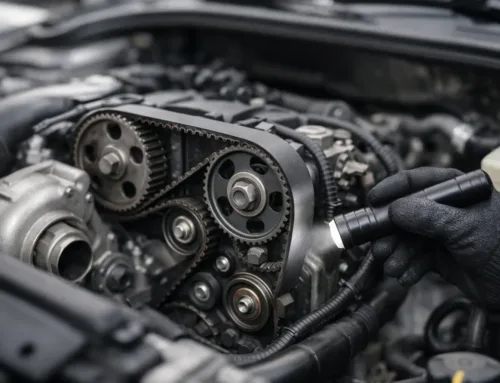
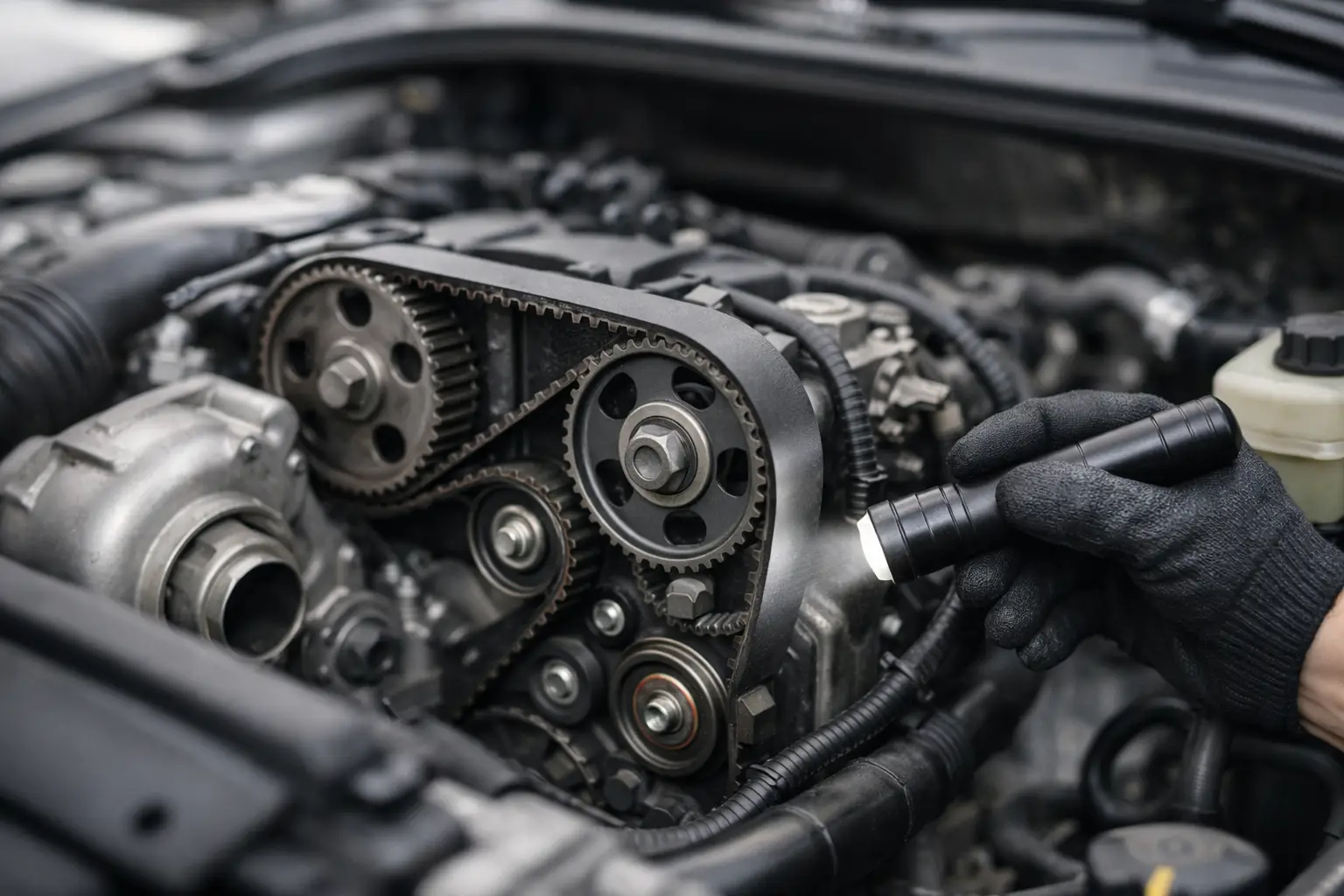
For many engines, the cambelt service is a major milestone. The key is doing it properly, on time, and with the right supporting components. A belt replacement without the right tensioners, idlers or water pump considerations is false economy.
There is nuance here because schedules can vary by engine and model year, and some vehicles use chains rather than belts. A VAG-focused workshop will check the correct interval for your exact engine code and advise based on both schedule and condition.
Carbon build-up and intake cleaning
Direct-injection petrol engines can suffer from carbon build-up on the intake valves over time. This can lead to rough idle, misfires, flat spots and reduced efficiency. Walnut blasting is one of the recognised methods for properly removing that build-up when it becomes an issue.
It is not something every car needs at the same mileage, and it depends on driving style and engine type. But it is a good example of where specialist knowledge helps: you treat the cause and symptoms correctly, rather than swapping parts and hoping.
Diagnostics: the part of servicing that saves money
A warning light is not a diagnosis. Even a fault code is not always a diagnosis. VAG vehicles often store historic faults, intermittent faults, or faults triggered by a separate underlying issue.
This is where specialist servicing earns its keep. With the right diagnostic tools and experience, a technician can confirm what the car is actually doing, not just what it once complained about. That can mean checking live sensor readings, running output tests, confirming adaptations, and tracing wiring or module communication problems.
The benefit to you is fewer repeat visits and fewer “let’s try this part” repairs. It also means problems can be identified early, before they become breakdowns.
Parts and fluids: why “OEM or equivalent” is not a buzzword
VAG engines and drivetrains are sensitive to correct specifications. Oil grades and approvals matter. Coolant types matter. DSG and Haldex fluids matter. Even seemingly small items such as filters can affect performance and longevity.
Using OEM or equivalent parts standards is about consistency and compatibility. It reduces the chance of premature wear, leaks, poor filtration or incorrect fitment. It also means the service you pay for is actually doing what it is meant to do over the full interval.
The “it depends” part is that not every component needs to be branded, top-shelf OEM to be right. The key is using parts that meet the correct specification and provenance, and being clear with customers about what is fitted and why.
Dealer servicing vs independent VAG specialist: the real comparison
Many VAG owners are not trying to avoid dealers purely on price. They want confidence, straightforward communication, and to feel like their car is being worked on by someone who cares about the outcome.
A main dealer can offer strong manufacturer alignment, but it can also come with higher hourly rates and a more rigid process. An independent VAG specialist typically focuses on value and relationship, while still working to dealer-grade standards using modern diagnostics and VAG experience.
The trade-off is worth being honest about. A dealer may be your first choice for certain warranty or recall work. For ongoing maintenance, fault-finding and out-of-warranty repairs, a specialist independent is often the sweet spot: high capability, fair pricing, and a more personal experience.
What to expect when you book VAG specialist servicing
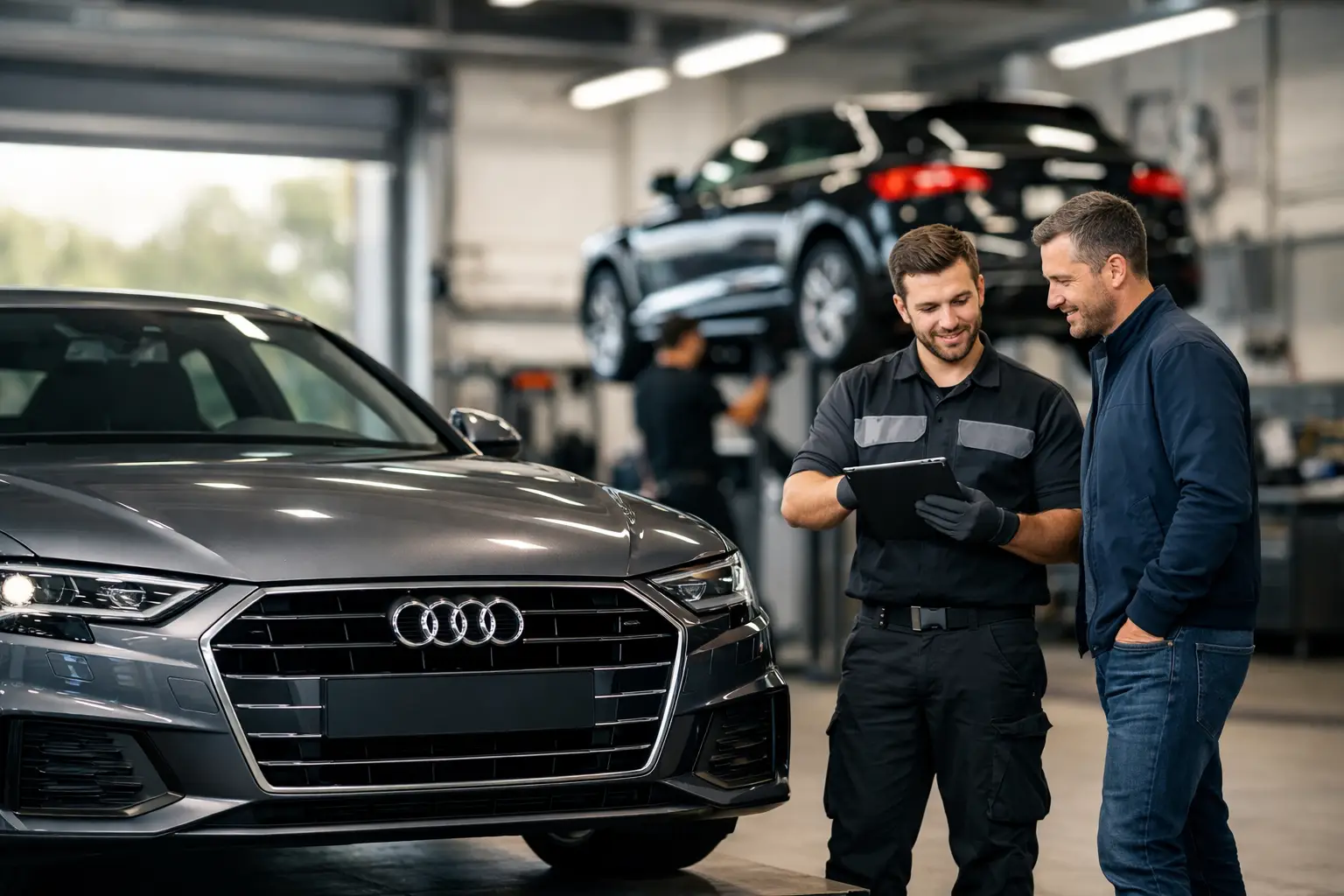
A good booking experience should be simple. You should be asked the right questions upfront: your registration, mileage, engine type if needed, your service history, and any symptoms you have noticed even if they seem minor.
On the day, you should expect clear explanations of what is included, what has been found, and what is recommended now versus later. If extra work is needed, it should be evidenced and prioritised, not bundled into a surprise bill.
Practical support matters too. Courtesy cars and sensible scheduling are not just nice extras – they are what make specialist servicing workable for commuters, families and anyone who depends on their vehicle daily.
Choosing a local VAG specialist in the Tadley and Basingstoke area
When you are comparing workshops, look for proof of VAG focus rather than generic claims. Ask whether they carry out DSG and Haldex servicing in-house, whether they have the diagnostic capability to do more than basic code reads, and whether their technicians have long-term VAG experience.
If you want dealer-grade capability without dealer pricing, choose a workshop that is comfortable with the hard jobs, not just routine services. That is usually where the difference shows.
For owners looking for that kind of support, Mechalex specialises in Audi, Volkswagen, Škoda and SEAT servicing, repairs, diagnostics and performance work from Aldermaston, with the experience and equipment to handle everything from routine maintenance to DSG, Haldex, mechatronic and advanced fault-finding.
A well-serviced VAG car should feel crisp, predictable and quiet in the way it goes about its work. If yours doesn’t, the next best step is rarely to wait – it is to get it inspected properly while the fix is still straightforward.