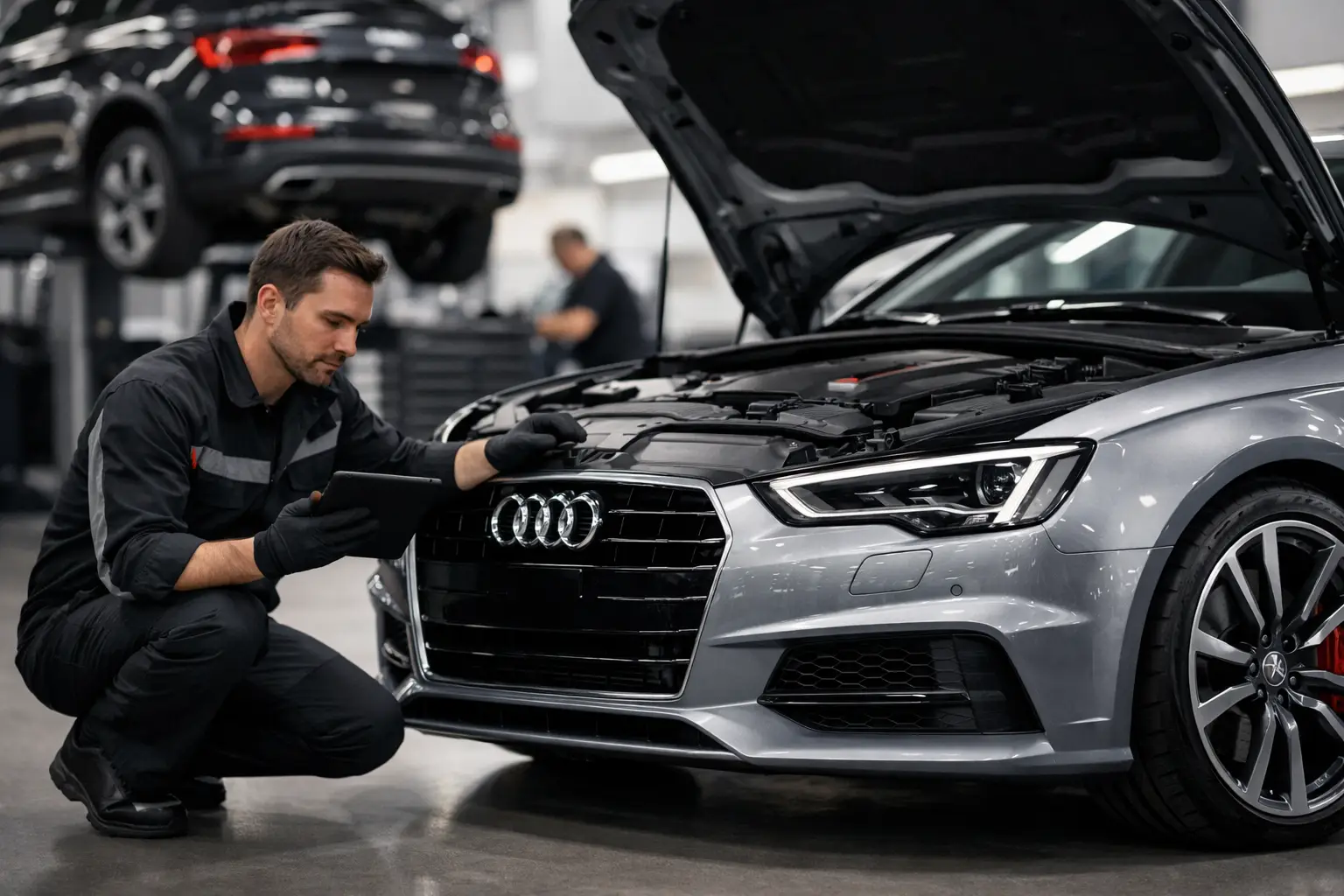
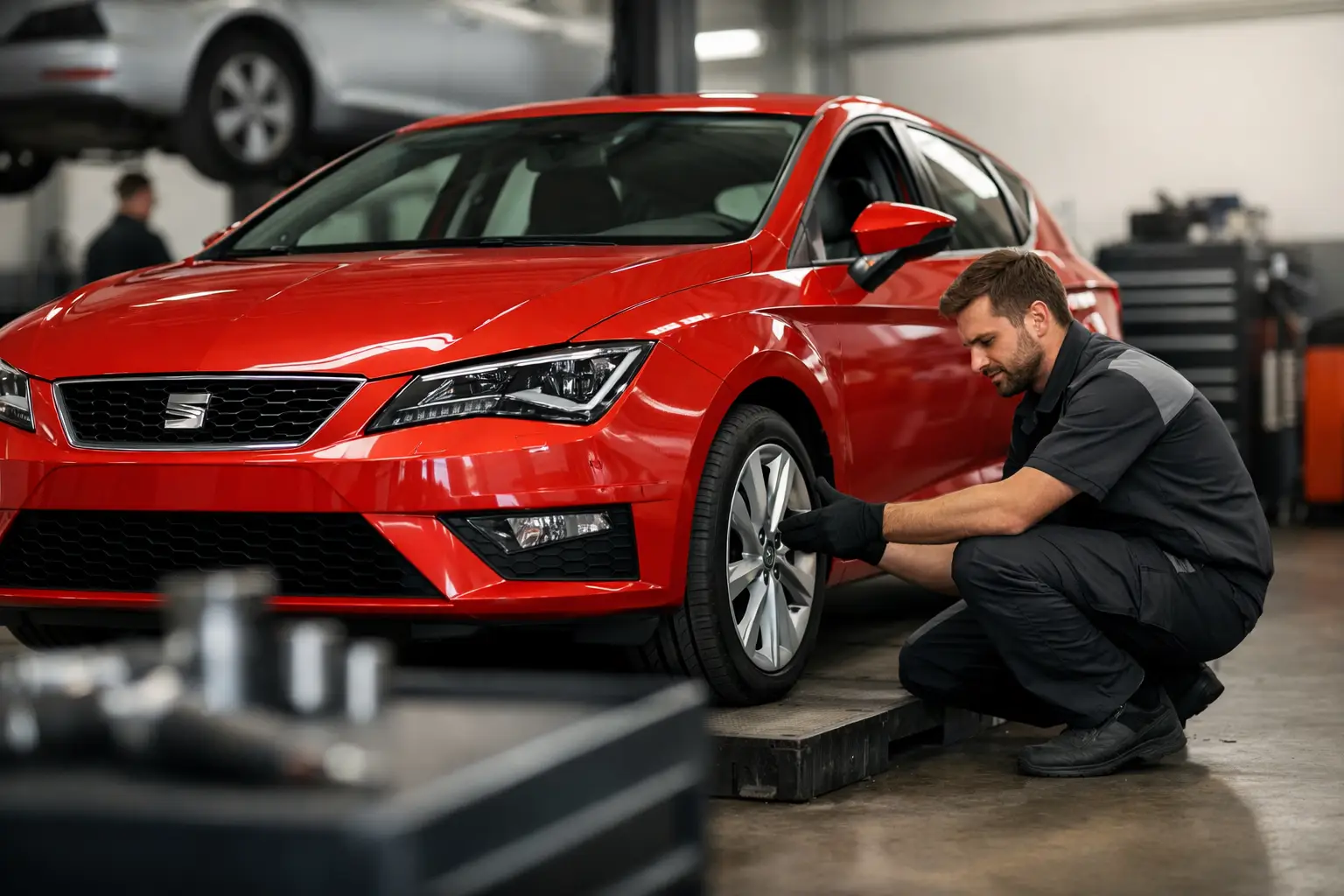
When your Leon starts hesitating on the school run, your Ibiza throws up an engine management light before work, or your Ateca develops a gearbox fault just as you need it most, you do not need guesswork – you need a SEAT repair specialist who knows the brand, the platform and the common faults that can waste time and money if handled badly.
SEAT vehicles share a great deal of engineering with Volkswagen, Audi and Škoda, which is good news when your car is in the right hands. It means an independent VAG specialist can often offer the same depth of understanding as a main dealer, but with a more personal approach and better value. For drivers around Aldermaston, Tadley, Basingstoke, Reading and Newbury, that matters when your car is not a weekend toy but the thing that gets you to work, gets the children to school and keeps your week moving.
What a SEAT repair specialist actually does
A proper SEAT specialist is not just a general garage willing to service another hatchback. The difference is in the detail. SEAT models use VAG systems, software and components that reward experience. From DSG gearboxes and turbocharged petrol engines to electrical faults, ABS issues and complex diagnostic work, there is a big gap between replacing parts and identifying the real cause of a problem.
That is where specialist knowledge pays off. If a fault code points to one component, the real issue may still lie elsewhere. Intermittent running problems, gearbox behaviour, coolant loss, warning lights and drivability faults often need proper testing, not assumptions. A workshop with VAG experience, up-to-date diagnostic equipment and technicians who have seen these patterns before is more likely to fix the issue once and fix it properly.
Why SEAT owners often choose a specialist over a main dealer
For many owners, it comes down to a simple question – can you get dealer-level capability without dealer pricing? Often, yes.
A good independent specialist can follow the correct service schedules, use OEM or equivalent quality parts and carry out repair work to a high standard, while offering the kind of flexibility that many owners prefer. That might mean more direct communication, clearer explanations, practical booking options or support such as a courtesy car to reduce disruption.
There is also the value of familiarity. A workshop that regularly works on VAG vehicles will already understand common issues across shared engines, gearboxes and electrical systems. That can shorten diagnostic time and reduce unnecessary parts replacement. It is not always cheaper in every single case, but it is often a better use of your money.
Common jobs a SEAT repair specialist can help with
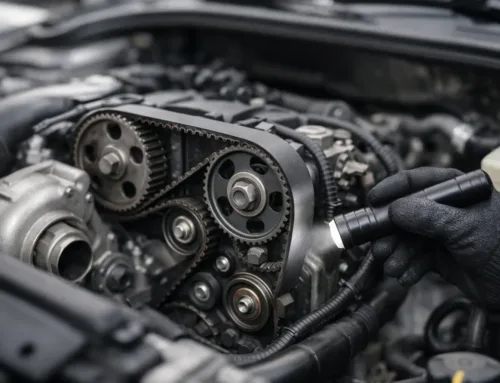
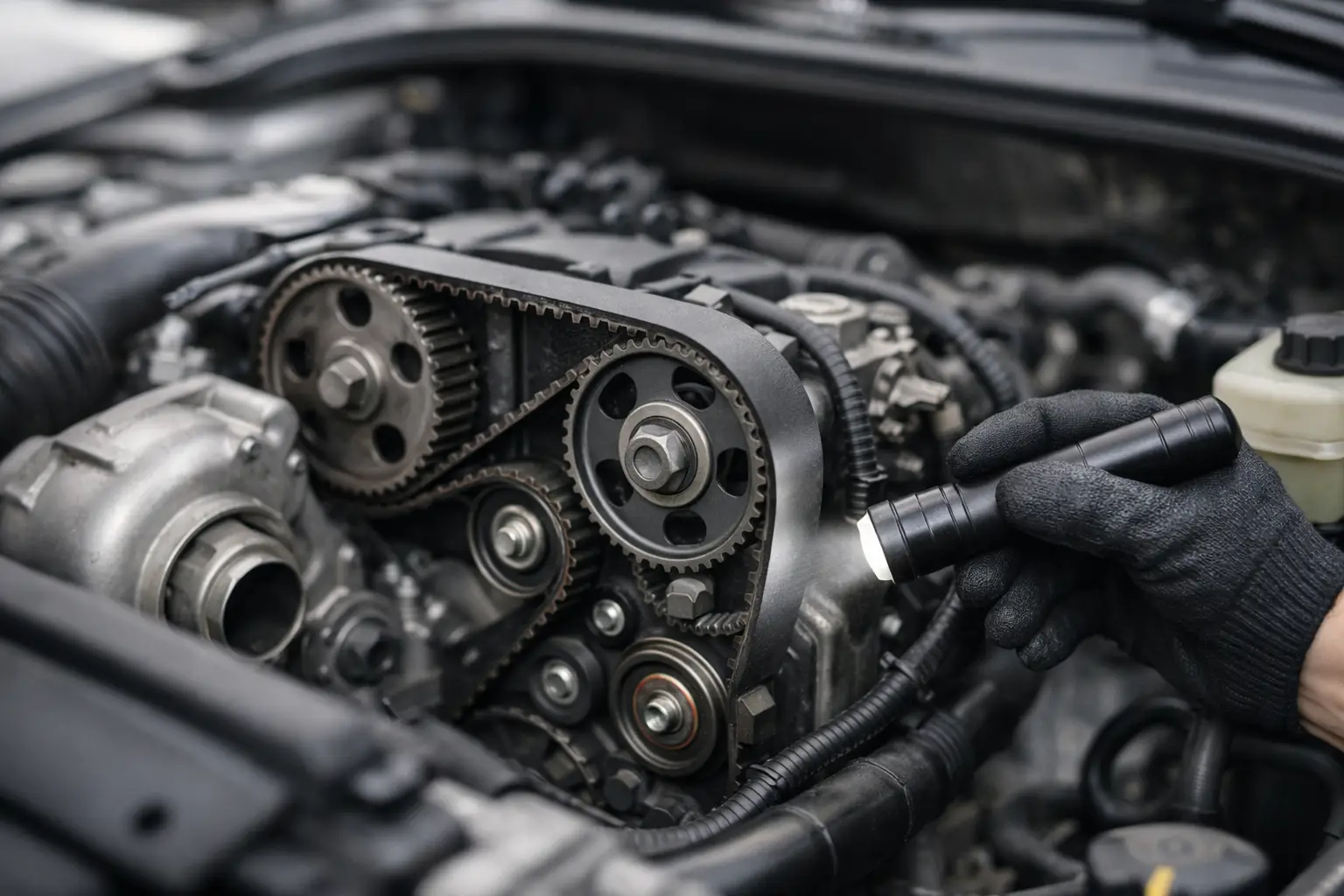
Routine servicing is the starting point, but it is far from the whole picture. SEAT owners often need support with cambelt and water pump replacement, brake repairs, suspension wear, cooling system faults and MOT preparation. Those jobs sound straightforward, but quality matters. Poor parts choice or rushed fitting tends to show up later.
Then there are the more specialist areas. DSG servicing is a good example. Miss the service interval or use the wrong process, and you increase the risk of poor shifting and long-term wear. Haldex-equipped models also need correct servicing if you want the four-wheel-drive system to keep working as it should.
More complex repairs can involve mechatronic faults, drivetrain issues, carbon build-up on direct injection engines, turbo-related problems and advanced electrical diagnosis. These are the jobs where platform knowledge really earns its keep. An experienced workshop is not learning on your car.
SEAT diagnostics need more than a code reader
This is one area where owners are often caught out. A dashboard warning light may look simple, but modern SEAT vehicles rely on interconnected control units and sensors. One fault can trigger symptoms in several systems, and a basic scan tool only tells part of the story.
A SEAT repair specialist should be able to interrogate the vehicle properly, understand live data, test components and work through the fault logically. That matters whether the issue is a misfire, DSG fault, DPF concern, battery drain, emissions problem or intermittent warning light.
It also helps prevent the costly cycle of replacing one part after another in the hope that something works. Proper diagnostics usually save money, even if the initial investigation is more detailed. If your car is used daily around busy routes between Tadley, Reading and Basingstoke, you want confidence that the repair will last, not just clear the light for a week.
Choosing the right SEAT repair specialist
Not every independent garage offers the same level of capability. If you are comparing options, look at experience, equipment and how the workshop talks about the job.
A specialist should be comfortable discussing VAG-specific systems rather than speaking in vague general terms. They should also be clear about parts quality. OEM or equivalent parts are usually the sensible choice for reliability and fit, especially on service items, timing components and critical mechanical repairs.
It is also worth asking how they approach diagnostics and fault-finding. If the answer sounds like trial and error, keep looking. If the answer sounds methodical, informed and specific, that is usually a better sign.
For local drivers, convenience matters as well. A workshop based in Aldermaston is well placed for owners coming from Tadley, Basingstoke, Reading and Newbury – close enough for routine servicing, but also practical when you need a more involved repair handled by people who know the brand properly. That balance of technical ability and local accessibility is a big reason many owners prefer an independent specialist model.
Servicing a SEAT properly helps avoid bigger repairs
A lot of expensive repair work starts with something small that was missed or delayed. Old gearbox oil, overdue timing components, worn suspension parts, neglected brake fluid or carbon build-up can all turn into larger problems over time.
That does not mean every service prevents every failure. Cars wear, parts fail and sometimes faults appear with no warning. But regular maintenance does improve your odds, especially on vehicles with turbocharged engines, DSG transmissions or higher mileage.
This is where specialist servicing has real value. A workshop that sees these cars regularly is more likely to spot early signs of trouble during routine visits. You are not just ticking a service box. You are giving the car a better chance of staying reliable.
Specialist support for standard cars and enthusiast builds
Not every SEAT owner wants more power, but some do. Models such as the Leon FR and Cupra attract drivers who care about performance as much as maintenance, and specialist support is useful in both cases.
ECU remapping, drivetrain work and carbon cleaning can make sense when done for the right reasons and on the right vehicle. Sometimes the aim is stronger performance. Sometimes it is restoring lost response and efficiency. Sometimes it is simply making sure the car is healthy before any tuning work begins.
The key point is that performance work should never come at the expense of reliability. A sensible specialist will tell you when a modification is suitable, when supporting maintenance is needed first and when the best option is to leave well alone.
Why local SEAT owners value the independent approach
If you live or work near Aldermaston, Tadley, Basingstoke, Reading or Newbury, you probably want three things from a garage – competence, fairness and minimal disruption. That is especially true if your SEAT is your daily transport.
An independent specialist can often offer a more straightforward experience than a larger dealership setup. You are more likely to get a direct answer, practical advice and a repair plan based on what the car actually needs. That does not mean cutting corners. It means focusing on proper workmanship and sensible value.
With over 30 years of VAG experience, modern diagnostic equipment and a strong focus on doing the job correctly, Mechalex fits what many local SEAT owners are looking for – main dealer standards without the main dealer cost, backed by friendly and reliable service.
When to book rather than wait
Some faults can be monitored for a short time. Others should not be ignored. If your SEAT has a warning light, rough running, gearbox hesitation, unusual noises, coolant loss, poor starting or a clear drop in performance, it is worth getting it checked before a smaller issue becomes a bigger repair.
The same goes for service intervals. Delaying routine work can feel cheaper in the moment, but it often costs more later. If you rely on your car every day, prevention is usually the better deal.
The best time to speak to a specialist is before the problem leaves you stranded. A well-maintained SEAT can be a dependable, enjoyable car for years, provided the work behind it is just as dependable.