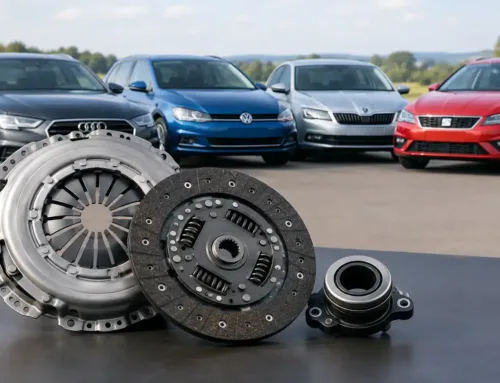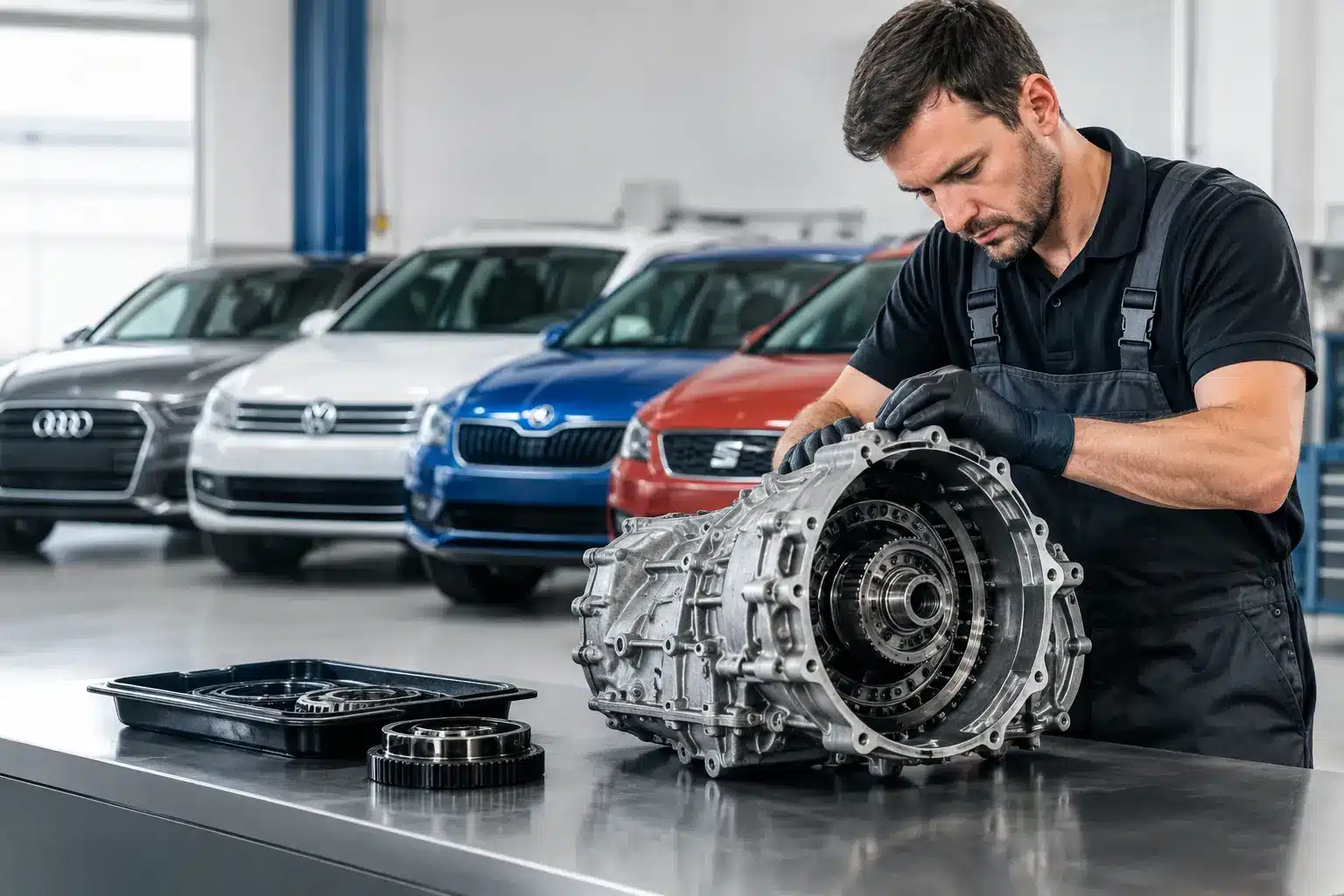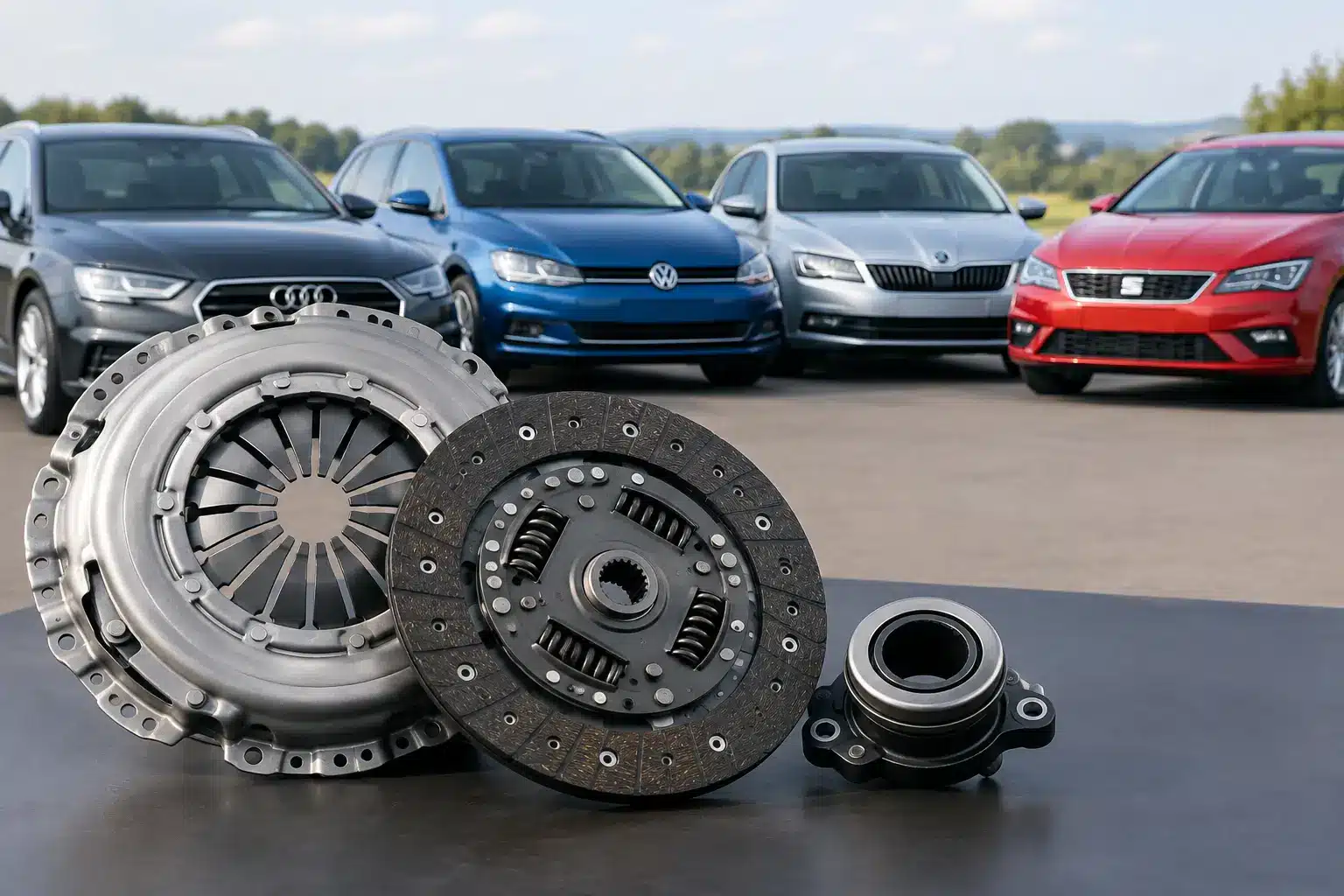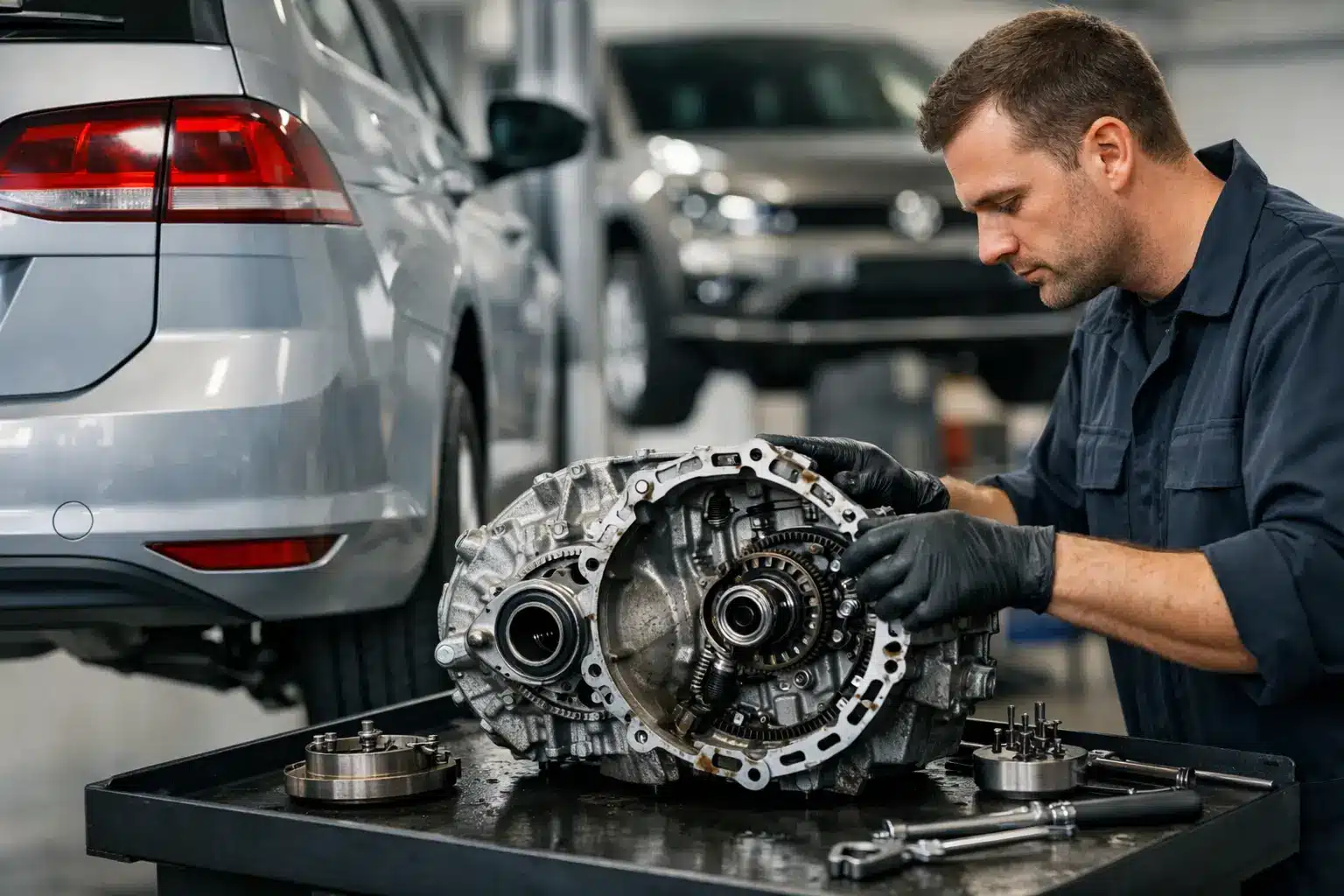
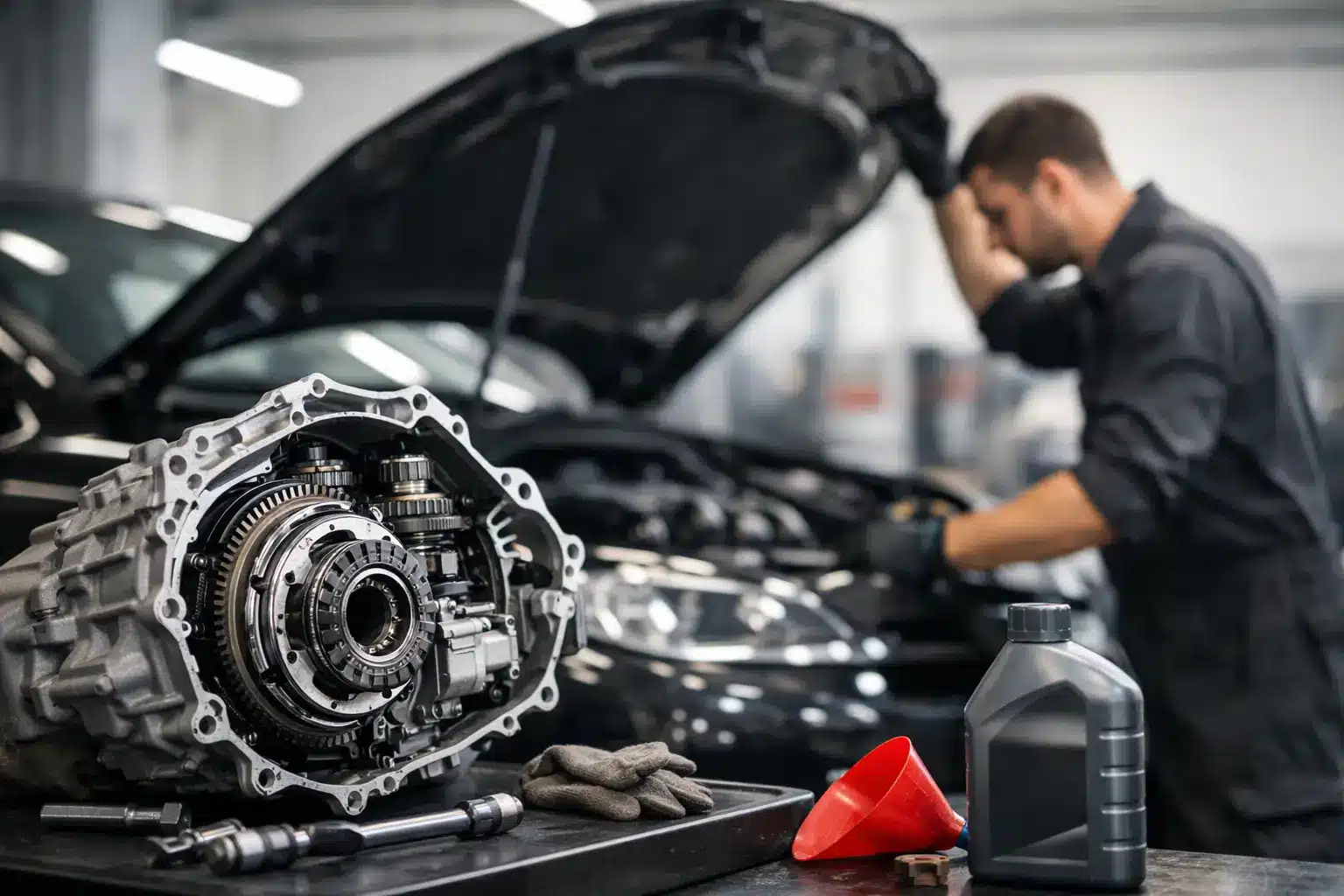
A DSG can feel brilliant when it is working as intended: quick, clean shifts in traffic, strong pull on the motorway and none of the hesitation associated with some conventional automatics. The best reasons to service a DSG gearbox are not just about preserving that smoothness. Correct maintenance can reduce wear, help identify developing faults early and protect one of the most expensive systems in your Audi, Volkswagen, Škoda or SEAT.
For drivers around Aldermaston, Tadley, Basingstoke, Reading and Newbury, a specialist DSG service is a practical way to look after a car that may be relied upon for the daily commute, school runs and longer journeys alike. It is not a job to leave to guesswork or a generic oil-change routine.
1. Fresh oil protects the gearbox under load
Many DSG gearboxes use oil to lubricate internal components, operate hydraulic circuits and manage heat. Over time, that oil is exposed to repeated heat cycles and contamination from normal clutch and component wear. Its ability to protect moving parts can reduce, particularly in cars used for stop-start driving, towing, spirited driving or frequent short trips.
Replacing the specified fluid at the right interval helps maintain the environment the gearbox was designed to work in. On applicable wet-clutch DSG units, the filter also matters. A blocked or neglected filter can restrict fluid flow and allow contamination to circulate where it should not.
This is one reason a DSG service should use the correct VAG-approved or equivalent specification oil, rather than simply whichever transmission fluid happens to be available. Gearbox fluids are not interchangeable, and using the wrong one can create more problems than it solves.
2. Better shift quality is often the first benefit
A car does not need to be undriveable before it needs attention. Owners may first notice a slight pause selecting drive or reverse, an occasional jerk when pulling away, less tidy low-speed changes or a shudder in traffic. These symptoms do not automatically mean the gearbox has failed, but they are worth investigating.
Where service is due, fresh fluid and the correct service procedure can help the gearbox operate consistently. However, it is important to be realistic: a service is preventative maintenance, not a guaranteed cure for worn clutches, a failing mechatronic unit or an underlying software or mechanical fault.
That distinction matters. A VAG specialist should assess the vehicle rather than promising that an oil change will solve every DSG complaint. Proper diagnostics can reveal fault codes, adaptation values and live operating data that help identify whether servicing alone is appropriate.
3. The best reasons to service a DSG gearbox include avoiding bigger bills
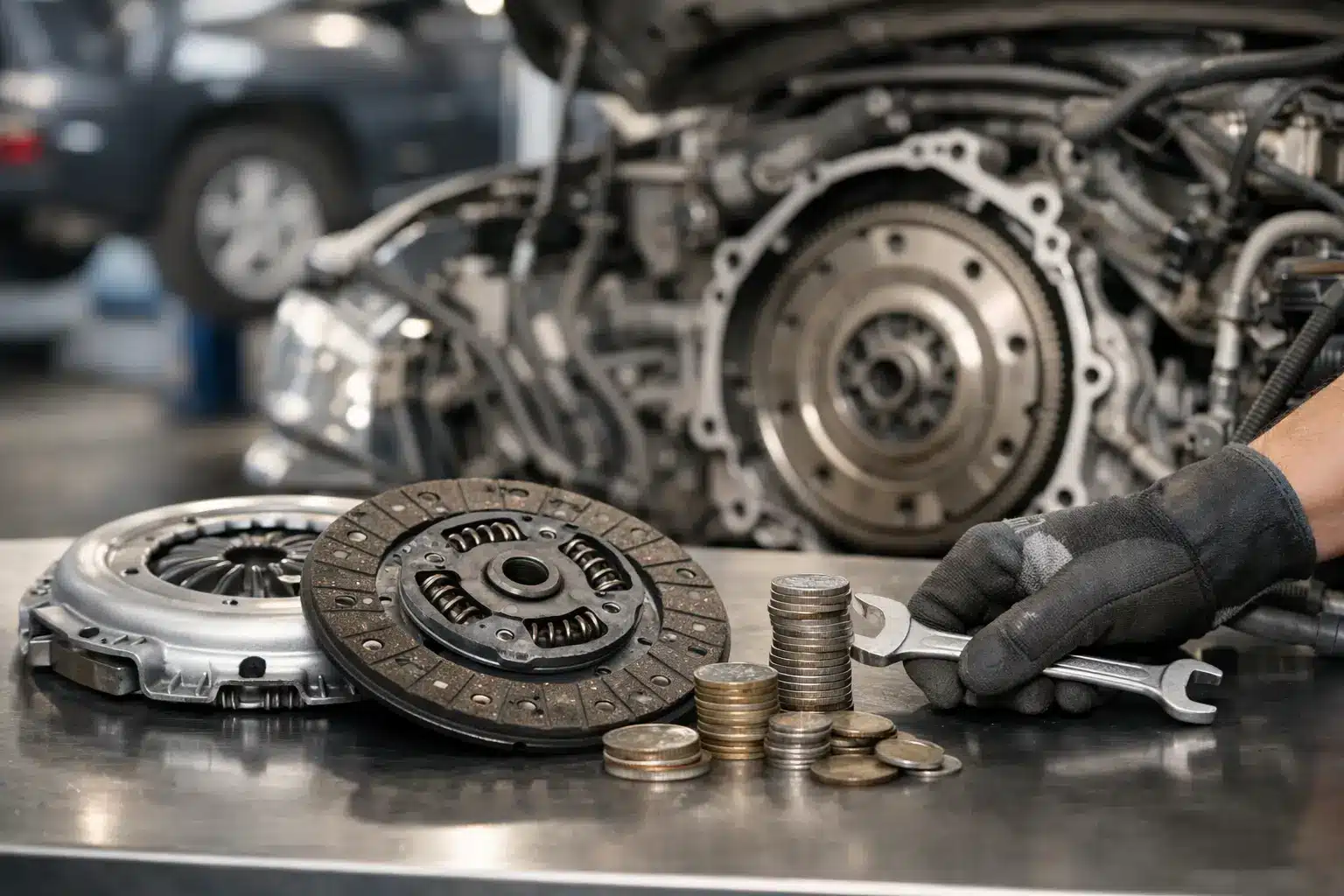
A DSG gearbox combines mechanical components, electronic controls and, on many versions, hydraulic operation. Neglecting the maintenance side of that system can allow wear or contamination to progress unnoticed. By the time shifting becomes consistently harsh, warning lights appear or the car enters reduced-power mode, the repair may be more involved.
Routine servicing cannot prevent every failure. Age, mileage, usage, manufacturing differences and previous maintenance all play a part. But it gives a technician an opportunity to inspect for leaks, check the condition of the drained fluid, review the service history and look for diagnostic clues before a small concern becomes a recovery-lorry problem.
For a family car or commuter vehicle, prevention is usually far less disruptive than waiting for a gearbox fault to force the issue. It also gives you a clearer record of care when it is time to sell the car.
4. DSG service intervals are gearbox-specific
One of the most common questions is, “When should my Audi or VW DSG be serviced?” The honest answer is that it depends on the exact gearbox fitted to the vehicle. There is no sensible one-size-fits-all interval.
Many wet-clutch DSG transmissions have a scheduled oil and filter service interval, often around 40,000 miles, although the correct requirement must be checked against the vehicle and gearbox code. Some later units have different schedules. Dry-clutch DSG gearboxes have a different design and do not follow the same traditional oil-and-filter service routine as wet-clutch units.
That is why registration-based assumptions and blanket advice can be risky. A specialist can identify the transmission installed in your specific VAG vehicle, check the manufacturer schedule and recommend the work actually required. If your car has incomplete history, is approaching its expected interval or has just been bought used, it is sensible to ask for a professional assessment rather than guessing.
5. Correct filling level and temperature are critical
A DSG oil service is more involved than draining old oil and pouring in a set quantity. On applicable gearboxes, the final fluid level must be set through the specified process, at the correct temperature range. The technician may need to use diagnostic equipment to monitor gearbox temperature and follow the prescribed filling procedure.
Too little fluid can affect lubrication and hydraulic operation. Too much can also cause problems. This is why a low-cost transmission service that skips the diagnostic and temperature-controlled stages may not represent good value, even if it appears cheaper at the time.
At Mechalex, VAG-focused diagnostic equipment and more than 30 years of experience support work that is carried out to the correct standard, using OEM or equivalent-quality parts and fluids. That is the difference between simply changing oil and servicing a complex transmission properly.
6. It supports tuned and enthusiast-owned VAG cars
Owners of remapped or performance-focused cars should be particularly conscious of drivetrain maintenance. Additional torque can place greater demand on the gearbox and clutch packs, especially where the car is regularly driven hard. A sensible maintenance plan supports the wider reliability of the vehicle, alongside attention to engine servicing, Haldex systems on applicable four-wheel-drive models and drivetrain components.
This does not mean every modified car needs unnecessary work. It means the service plan should reflect how the car is used. A lightly used standard vehicle and a higher-mileage tuned performance model may have very different maintenance needs, even if they share the same basic gearbox family.
If shifts feel different after a remap, or the car has developed hesitation, clutch slip, jolting or a gearbox warning message, do not assume it is normal. Diagnostic investigation is the right starting point.
7. A specialist is the right answer to “where to get an Audi DSG service?”
When looking for an Audi DSG service, or the equivalent work for Volkswagen, Škoda or SEAT, choose a workshop that understands the VAG systems rather than one that treats the gearbox as a generic automatic. The right provider should be able to confirm which transmission is fitted, explain the required interval, use correct fluids and filters, and diagnose concerns before recommending repairs.
For drivers in Aldermaston and nearby Tadley, Basingstoke, Reading and Newbury, using a local VAG specialist means avoiding an unnecessary trip to a main dealer while still receiving dealer-level technical capability. It can be especially helpful when a service needs to be combined with fault-finding, routine maintenance, MOT preparation or other VAG-specific work. Courtesy car availability can also make planned maintenance less disruptive, subject to booking.
Before booking, have your registration, mileage and any service paperwork to hand. Tell the workshop about any symptoms, however minor they seem, and whether the vehicle is standard or modified. That information helps ensure the visit is planned around what your DSG actually needs.
A DSG is designed to make driving easier, not to add uncertainty to every journey. Keeping it on the correct service schedule, with the right fluids, equipment and expertise behind the work, is a straightforward way to give your VAG car the care it deserves.
Need help with your Audi, VW, Škoda, SEAT or Cupra? Mechalex is an independent VAG specialist in Aldermaston, serving Reading, Newbury, Basingstoke and Tadley.
See our DSG gearbox service, try our free VAG AI diagnosis, or book online. Call 0118 380 1003.