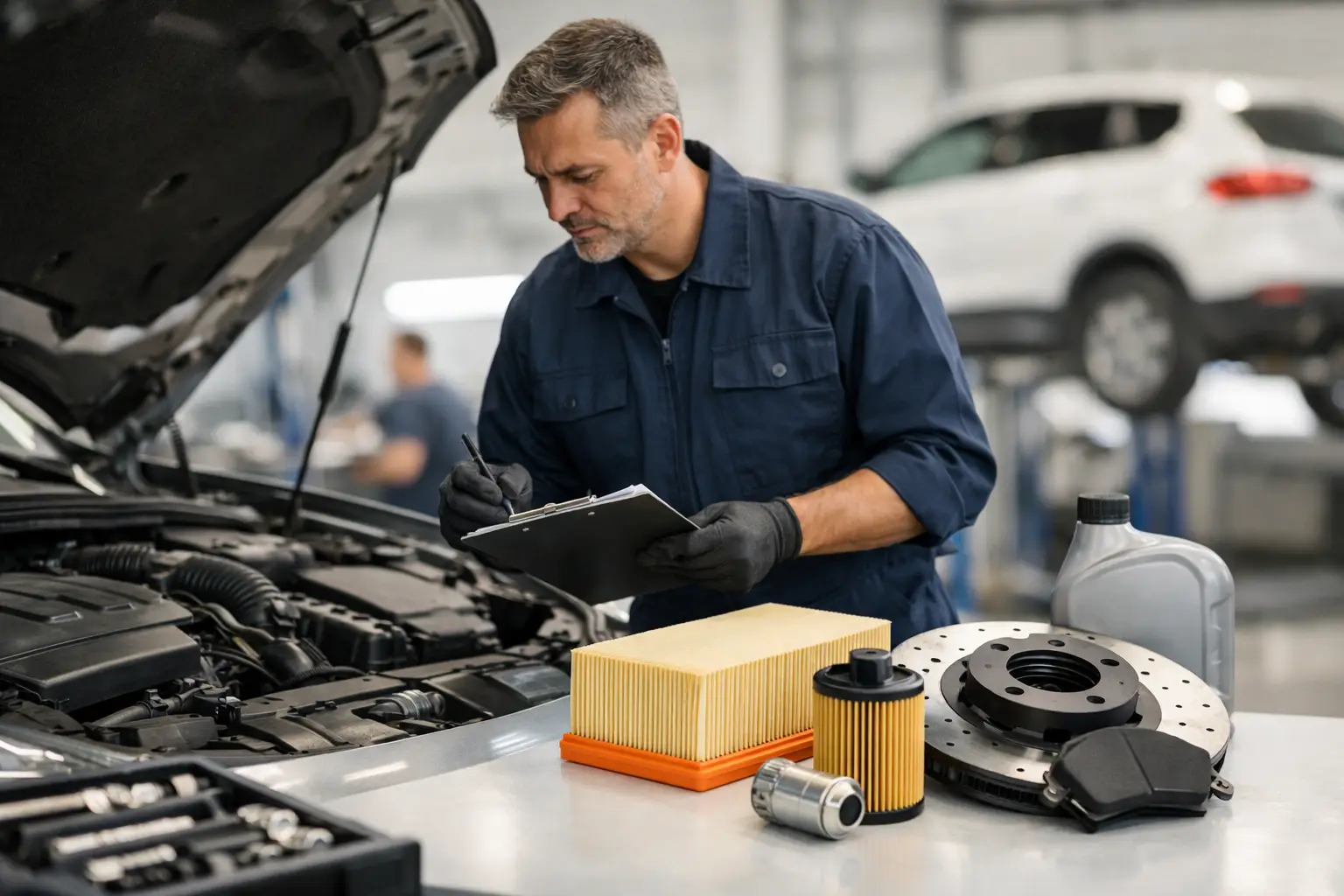
If your dashboard says a service is due, the phrase that often follows is simple enough but not always clear: what is included in major service? For many Audi, Volkswagen, Škoda and SEAT owners, that question usually comes up when the car still seems to be driving well. The trouble is that a major service is not just about how the car feels today. It is about catching wear, replacing key items on schedule and spotting the sort of faults that turn into expensive repairs if they are missed.
A major service is a more comprehensive visit than an interim or basic oil service. It combines routine maintenance with a deeper inspection of the vehicle’s condition, with a focus on safety, reliability and manufacturer service requirements. On VAG vehicles in particular, the details matter. These cars often have model-specific service items, engine variations and gearbox requirements that a general one-size-fits-all checklist can miss.
What is included in major service on a VAG car?
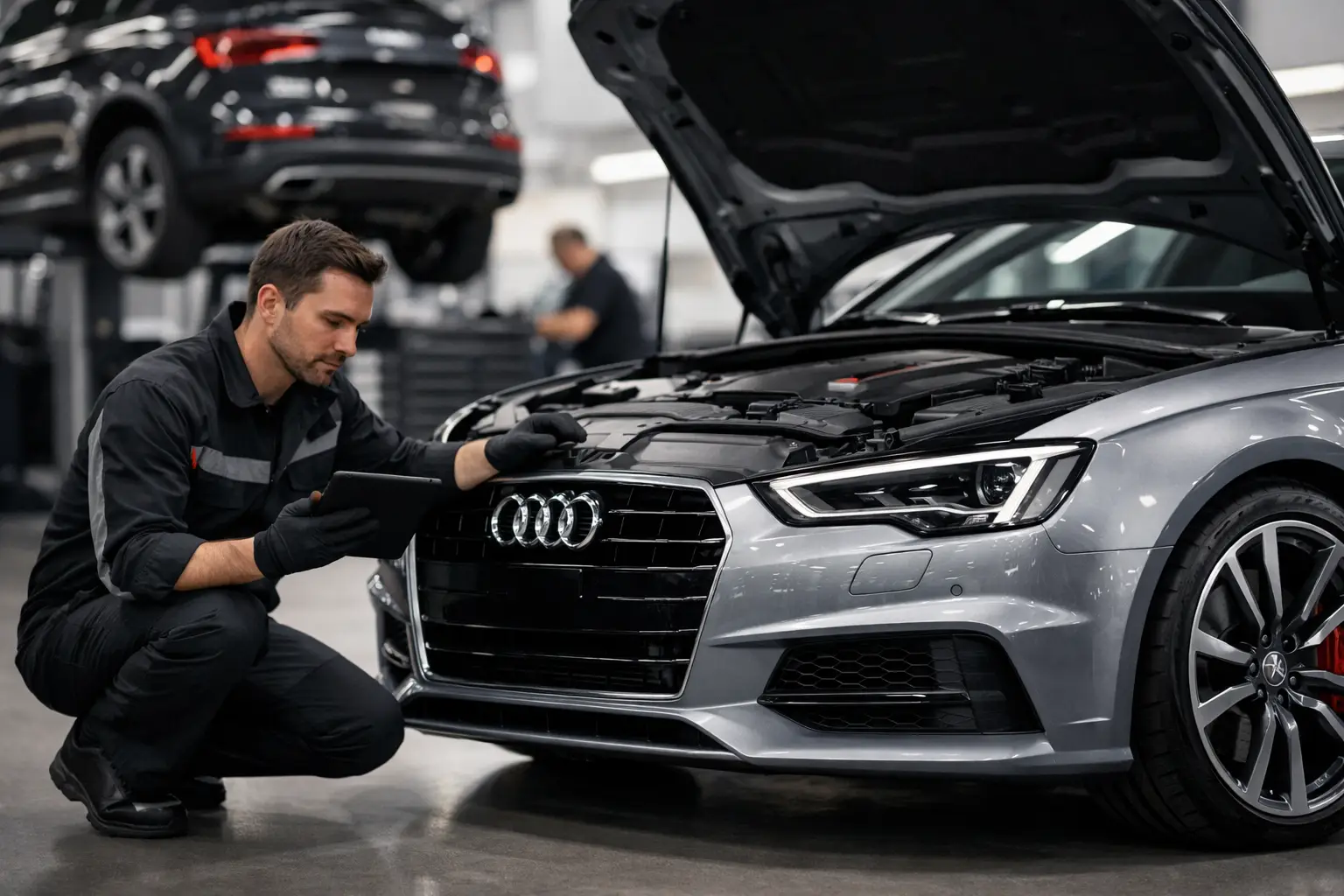
In most cases, a major service includes an engine oil and oil filter change, replacement of key service filters where due, fluid level and condition checks, brake inspection, tyre inspection, steering and suspension checks, lighting and battery checks, and a broader mechanical and safety inspection across the vehicle. It is designed to cover the items that naturally wear over time, as well as the areas most likely to affect drivability and safety.
On many Audi, VW, Škoda and SEAT models, that will also mean checking the service history against the correct schedule rather than just ticking off generic items. Some vehicles are on fixed servicing, others on long-life intervals. Some engines need spark plugs at set mileage points, some diesel models need extra attention to intake and emissions-related issues, and some performance models have additional requirements that a non-specialist may overlook.
That is one reason people often ask where to get an Audi DSG service or who can service a VW properly without dealer prices. A major service may include standard maintenance items, but it also needs to account for the specific drivetrain, engine type and known platform issues on the car in front of you.
Oil, filter and core service items
The foundation of a major service is still the maintenance work the engine depends on. Fresh engine oil and a quality oil filter are standard. Air filter and pollen filter replacement are commonly included or recommended when due, and fuel filter replacement may apply on certain diesel models depending on age and mileage.
Spark plugs are another major-service item on many petrol engines, but not every visit automatically needs them. It depends on the engine code and service interval. On turbocharged VAG petrol engines, keeping on top of plugs matters more than many drivers realise, especially if the car is driven hard, used for short journeys or has been remapped.
Fluids are checked as part of the service too. That usually includes coolant, brake fluid, screenwash and power steering fluid where applicable. Not every fluid is replaced during a major service, but their condition and level should be assessed properly.
Brakes, tyres and safety checks
A proper major service should also include a clear inspection of wear-and-tear items. Brake pads and discs are checked for condition and remaining life. Tyres are inspected for tread depth, pressure and uneven wear, which can point to alignment or suspension issues. Lights, wipers and washers are checked because they affect everyday safety and MOT readiness.
Suspension and steering components should also be inspected for wear, play or damage. That includes looking for leaking dampers, worn bushes and ball joints, and issues that might not yet be obvious from the driver’s seat. Underbody checks can reveal early signs of damage, fluid leaks or corrosion.
For drivers around Aldermaston, Tadley, Basingstoke, Reading and Newbury, this matters because many local cars do a mix of short runs, school trips, commuting and motorway miles. That kind of use can be hard on brakes, tyres and batteries, even when annual mileage is not especially high.
What is included in major service – and what is not?
This is where expectations need to be realistic. A major service is extensive, but it is not the same as every maintenance item your car could ever need. There are separate jobs that may fall outside a standard major service, even though they are just as important.
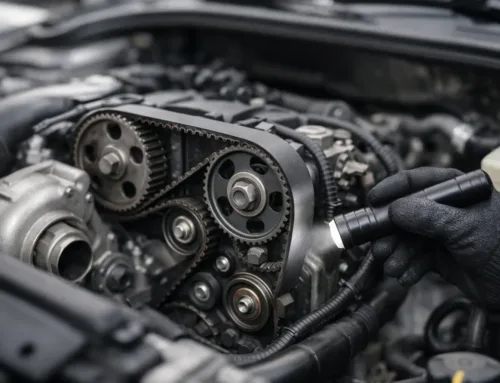
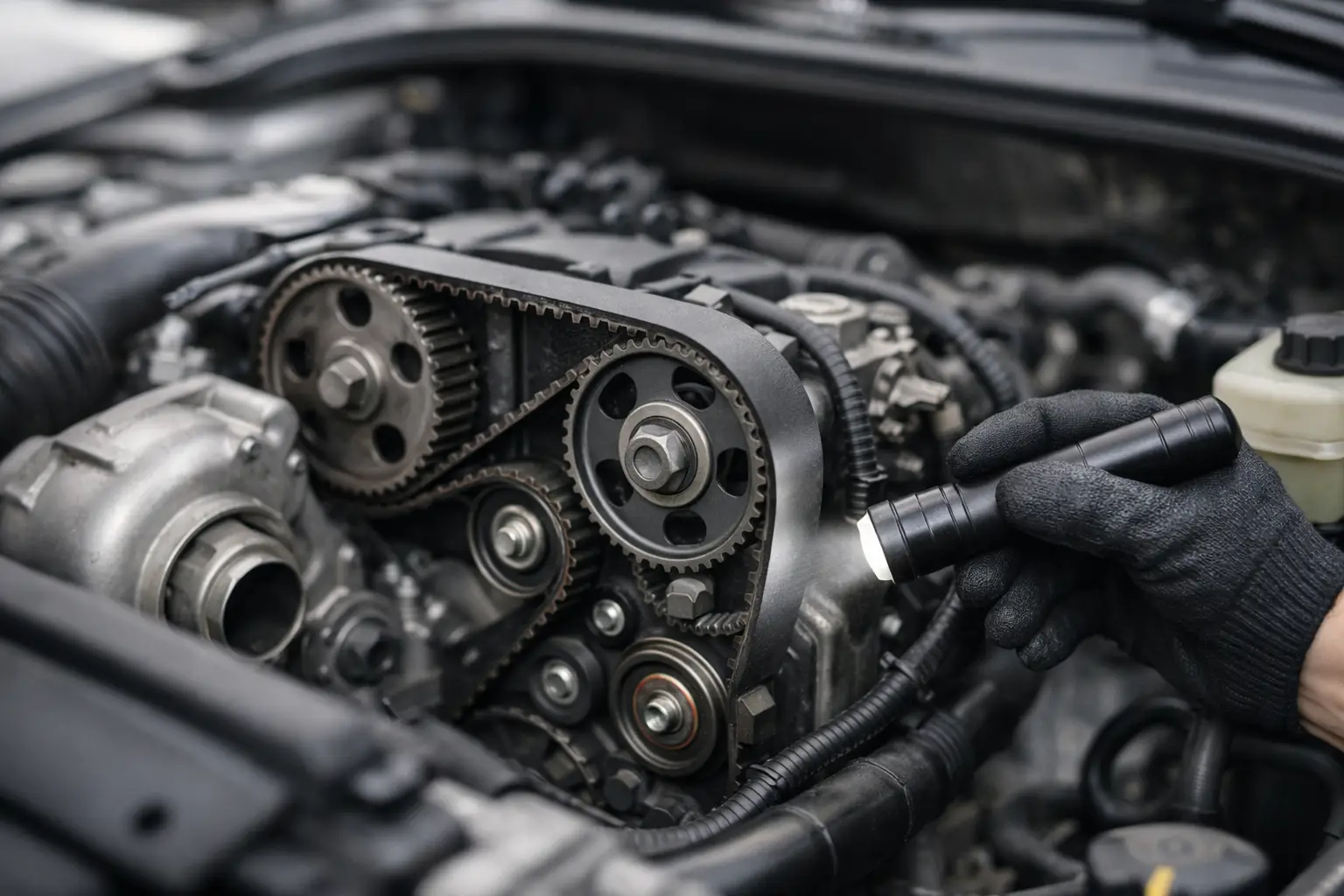
Brake fluid changes are often due on time rather than mileage, so they may be quoted separately if the interval falls due. The same applies to coolant changes on some models, air conditioning servicing, wheel alignment and MOT work. Cambelt and water pump replacement are also separate jobs, but they are critical if your vehicle is at the right age or mileage.
Then there are specialist transmission and four-wheel-drive items. A DSG service is not usually part of a routine major service unless specifically booked and due. The same goes for Haldex servicing on compatible models. If you own an Audi, Volkswagen, Škoda or SEAT with DSG or Haldex, these are not optional extras to ignore. They are scheduled maintenance items that protect expensive mechanical systems.
That is why asking what is included in major service should always lead to a second question: what else is due on my specific car right now? The right answer depends on registration, engine, gearbox, mileage, age and service history.
Why specialist knowledge makes a difference
VAG servicing is rarely just about replacing oil and filters. These vehicles rely heavily on electronic systems, model-specific procedures and correct oil specifications. Use the wrong fluid, miss a required gearbox service or skip a known weak point, and the cost of putting it right later can be significant.
For example, some faults only show up when a technician knows what to look for during inspection or diagnostic checks. Early water pump seepage, intake carbon build-up, DSG behaviour changes, Haldex neglect and mechatronic symptoms can all start subtly. A general workshop may spot nothing unusual. A VAG specialist is more likely to recognise the signs before they become a breakdown or a large repair bill.
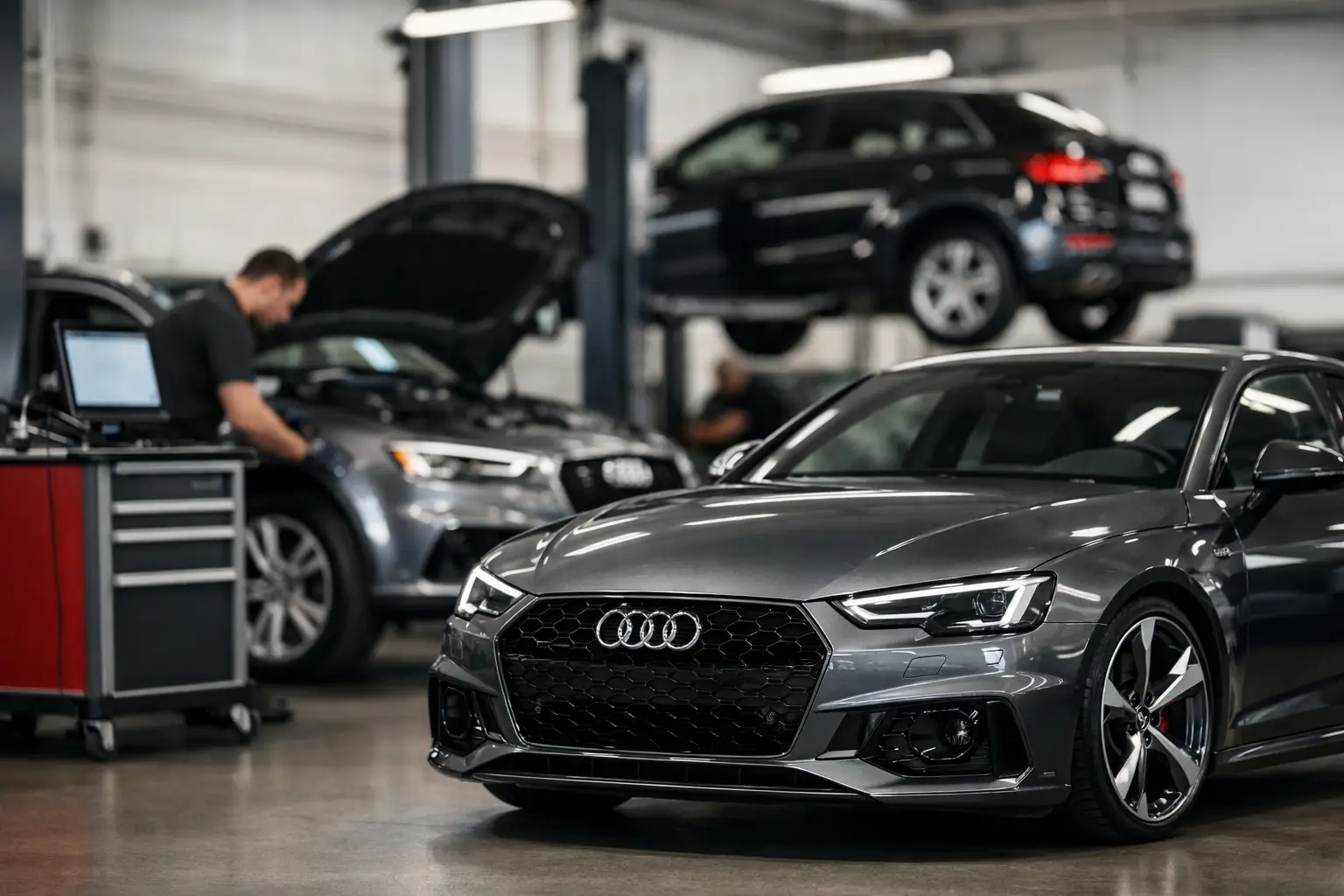
That is one reason local drivers looking for main dealer standards without the main dealer cost often choose a specialist workshop instead. You want the correct service approach, OEM or equivalent quality parts and modern diagnostic equipment, but you also want practical advice rather than a scripted upsell.
When should you book a major service?
The simple answer is when your service schedule says so, but real life is not always that tidy. If you have recently bought a used car and the history is unclear, a major service is often a sensible starting point. It gives you a proper baseline and helps identify what has been done and what still needs attention.
It is also worth booking one if the car has been maintained on the cheap, has missed previous intervals or is showing minor symptoms such as rougher running, reduced fuel economy, weak braking feel or warning lights. A service will not fix every fault by itself, but it can uncover the cause before it develops further.
If you rely on your car for commuting into Reading or Basingstoke, or regular family trips around Newbury and Tadley, preventive maintenance usually works out cheaper than reactive repairs. Courtesy car availability can make that easier too, especially when you cannot afford to be off the road for the day.
How to get the right major service for your car
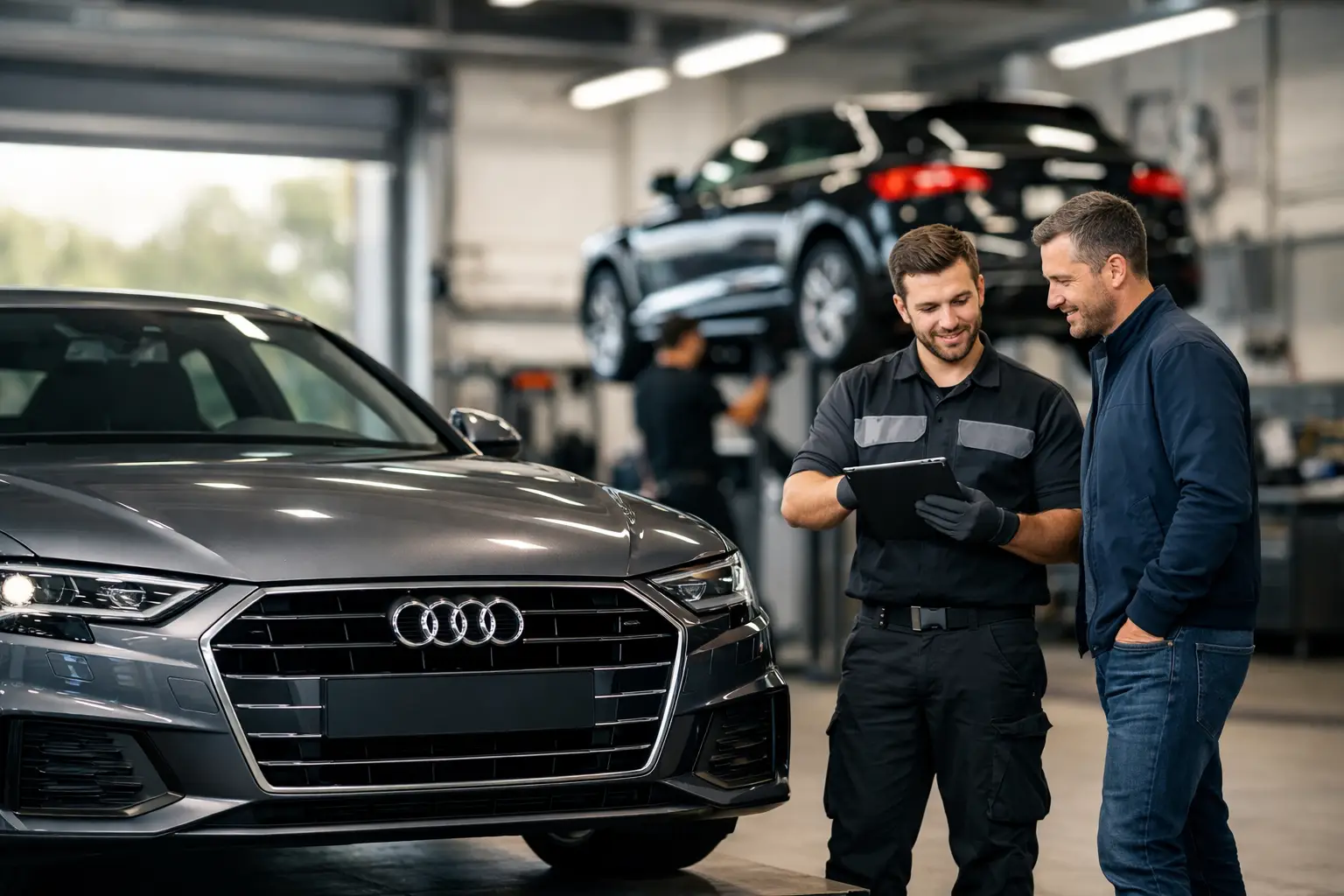
The most useful approach is to avoid asking for a generic major service in isolation. Instead, ask for a service based on your exact model, engine, gearbox and mileage. That way, the workshop can tell you what is included, what is due separately and whether there are any VAG-specific items that should be dealt with at the same time.
For some owners, that may mean a straightforward annual service with plugs and filters. For others, it may make sense to combine the major service with DSG servicing, Haldex servicing, a brake fluid change or diagnostic checks if there are concerns about running quality or warning lights. Enthusiast-owned cars and tuned vehicles may also benefit from more tailored inspection because usage patterns are different.
A good workshop should be able to explain the difference clearly, not bury it in vague language. You should know what parts are being used, what has been inspected, what is wearing out and what can reasonably wait until the next visit.
For VAG owners near Aldermaston, choosing a specialist location can be more convenient than it first appears. It gives you access to technicians who work on these brands day in, day out, without needing to book into a main dealer further afield or pay dealer-level labour rates for routine maintenance.
If you have been wondering what is included in major service, the best answer is this: it should cover the key maintenance and inspection work your car needs now, while also flagging the brand-specific jobs that protect it long term. Done properly, it is not just a service stamp. It is a chance to keep your Audi, VW, Škoda or SEAT dependable for the miles ahead.