If you are weighing up DSG vs manual gearbox for your next Audi, Volkswagen, Škoda or SEAT, the right answer usually comes down to how you actually use the car. A gearbox that feels brilliant on a clear B-road can become tiresome in stop-start commuting, while the option that makes daily driving easier may not be the one an enthusiast naturally prefers.
For many VAG owners, this is not really a theoretical debate. It affects running costs, servicing needs, resale appeal and how the car feels every single day. If you drive around Aldermaston, Tadley, Basingstoke, Reading or Newbury, where your week might include school runs, motorway mileage and town traffic, the gearbox choice matters more than brochure claims suggest.
DSG vs manual gearbox – the core difference
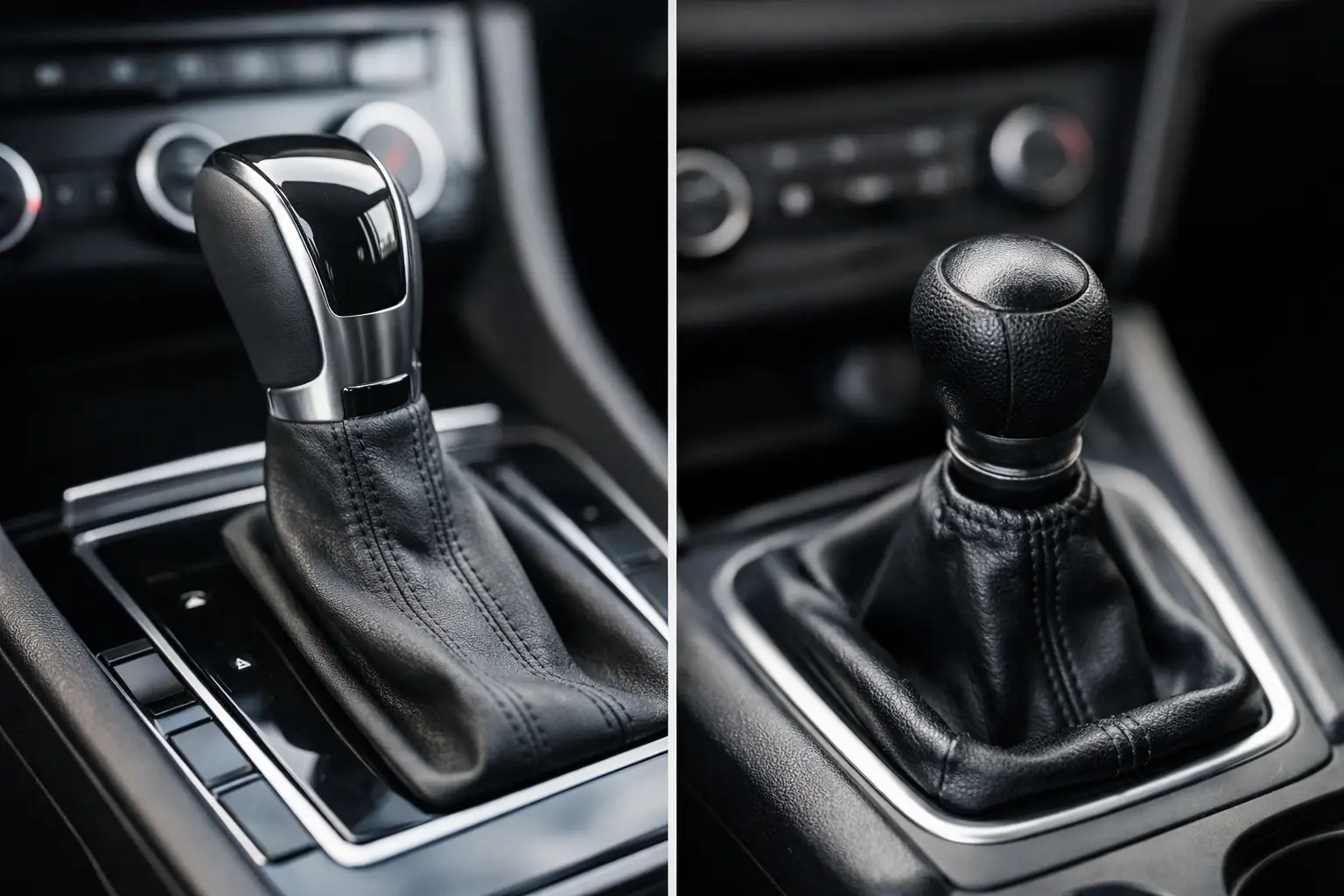
A manual gearbox gives the driver direct control over gear changes through the clutch pedal and gear lever. It is mechanically simpler in principle, familiar to most UK drivers and often seen as the traditional choice for involvement.
A DSG, short for Direct-Shift Gearbox, is Volkswagen Audi Group’s dual-clutch automatic transmission. It pre-selects gears and changes quickly, giving the convenience of an automatic with a more connected feel than older torque-converter autos often delivered. In practice, that means fast shifts, smoother progress in traffic and less effort behind the wheel.
Neither is automatically better in every situation. The real question is whether you value ease, engagement, long-term maintenance costs or outright performance more highly.
Why DSG appeals to so many VAG drivers
For everyday use, DSG makes a strong case. In traffic, it removes the constant clutch work that can make commuting feel like a chore. On faster roads, shifts are usually quick and well timed, and many drivers like the fact they can leave the car in automatic mode or take control with paddle shifts if fitted.
This suits a lot of local drivers who split their time between urban queues and longer A-road or motorway journeys. If your car is a daily tool as much as a personal preference, DSG often makes life easier.
There is also a performance angle. On many VAG models, especially turbo petrol and diesel cars, DSG can deliver rapid, consistent gear changes that help the car stay in its power band. That is one reason it is so popular with enthusiasts as well as commuters.
The trade-off is complexity. DSG gearboxes rely on specialist servicing, correct fluid where applicable, software integration and, in some cases, more advanced fault-finding when issues develop. Problems are not guaranteed, but when they do happen, they are rarely the sort of thing you want diagnosed by guesswork.
Where a manual gearbox still makes sense
Manual gearboxes remain a very sensible choice for plenty of owners. They are often cheaper to buy on the used market, and many drivers still prefer the extra sense of control. If you enjoy timing your own shifts, managing engine braking and feeling more mechanically involved, manual is still hard to beat.
There can also be a cost advantage. A manual setup is generally simpler, even though it still has wear items such as the clutch and, on some vehicles, the dual-mass flywheel. Simpler does not always mean cheap, but it can mean fewer specialist transmission-related concerns over time.
For lower annual mileage or a second car used mainly for shorter trips, a manual may be the more logical option. If you are not spending hours in traffic each week, the convenience advantage of DSG may not feel strong enough to outweigh the extra complexity.
Driving feel – convenience versus involvement
This is where the DSG vs manual gearbox decision becomes personal.
A DSG is usually the easier car to live with. It handles repetitive driving well, keeps both hands free from constant gear changes and generally delivers a refined feel. For family cars, commuting cars and higher-mileage vehicles, that convenience is a genuine benefit rather than a luxury.
A manual offers more interaction. Some drivers simply enjoy being part of the process, particularly in smaller or more driver-focused VAG models. On the right road, a manual can make the car feel more alive, even if it is not objectively quicker.
That said, modern DSG systems are very good. On some cars, especially performance-oriented models, the speed and precision of the gearbox can actually add to the driving experience rather than dilute it. So if someone tells you DSG is only for people who do not like driving, that is far too simplistic.
Reliability and maintenance – where the decision gets practical
This is often the point that matters most once the novelty wears off.
A manual gearbox is usually viewed as the safer long-term bet, but that depends on use and maintenance. Clutches wear, flywheels can fail and poor driving habits make a difference. A manual that has spent years in traffic with heavy clutch use may not be as cheap to own as people assume.
A DSG needs the right servicing at the right intervals, and that is non-negotiable. Some units require regular oil and filter changes, and skipping this can shorten lifespan or lead to poor operation. There are also known issues on certain VAG DSG variants involving mechatronic units, clutch packs or shift quality. The key point is not that DSG is unreliable by default, but that it is less forgiving of neglect.
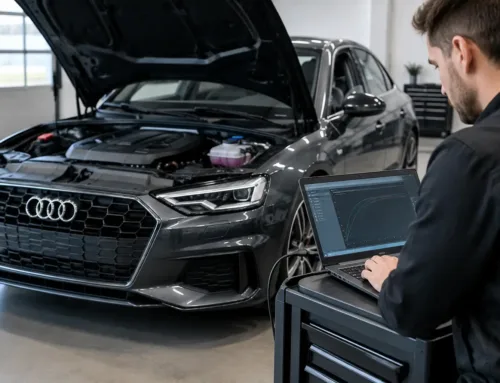
That is why specialist knowledge matters. On Audi, VW, Škoda and SEAT vehicles, correct diagnosis is crucial because gearbox symptoms can overlap with software issues, driveline faults or engine-related problems. Experienced VAG technicians with proper diagnostic equipment can usually identify whether a car needs routine service, adaptation checks, repair work or further investigation.
Costs – buying price is only part of the picture
If you are buying used, manual cars are often less expensive than DSG equivalents. That can make them attractive on paper, especially if you are trying to keep purchase costs down.
But ownership costs are broader than the initial price. A DSG may command more money upfront, yet if it makes your daily use easier and holds stronger appeal on resale in your preferred model, that can offset some of the difference. Equally, a manual may save money at purchase but need a clutch and flywheel later.
The smartest approach is to look at the full ownership picture: how long you plan to keep the car, how you drive, whether service history is strong and whether the gearbox has been maintained properly. A cheap DSG car with missing service records can be a false economy. So can a manual with a tired clutch and vague shift quality.
Which gearbox suits different drivers?
If your week involves regular traffic, longer commutes or a family car that needs to be easy for anyone to drive, DSG is often the better fit. It reduces fatigue and tends to suit modern VAG cars very well.
If you value simplicity, lower purchase cost and a more traditional driving feel, a manual still has plenty going for it. It can be a particularly good match for drivers who cover fewer miles or simply prefer being more involved.
Enthusiasts sit somewhere in the middle. Some will always choose a manual for feel. Others will prefer DSG for its speed, tuning compatibility and performance character. Neither view is wrong.
Buying used? Pay attention to history, not just the spec
When comparing two otherwise similar cars, service history should influence your decision more than internet opinion. A well-maintained DSG with documented servicing can be a better buy than a neglected manual. The reverse is also true.
Listen for clutch or flywheel concerns on manuals, check for smooth engagement and make sure the gearshift feels positive. On DSG cars, look for smooth operation at low speed, clean shifts under acceleration and evidence that the gearbox has been serviced correctly where required.
For buyers in and around Aldermaston, Tadley, Basingstoke, Reading and Newbury, using a VAG specialist for a pre-purchase inspection can save a lot of trouble later. These cars are excellent when maintained properly, but the gearbox is not an area where assumptions pay off.
The best choice is the one that fits your real driving
There is no universal winner in DSG vs manual gearbox. There is only the gearbox that suits your roads, your routine and your expectations from the car.
If you want less effort and strong all-round usability, DSG is hard to ignore. If you want simplicity and a more hands-on drive, manual still earns its place. The important part is choosing with clear eyes, then maintaining whichever system you have properly. That is what keeps a VAG car enjoyable, reliable and worth owning long after the test drive feeling has faded.