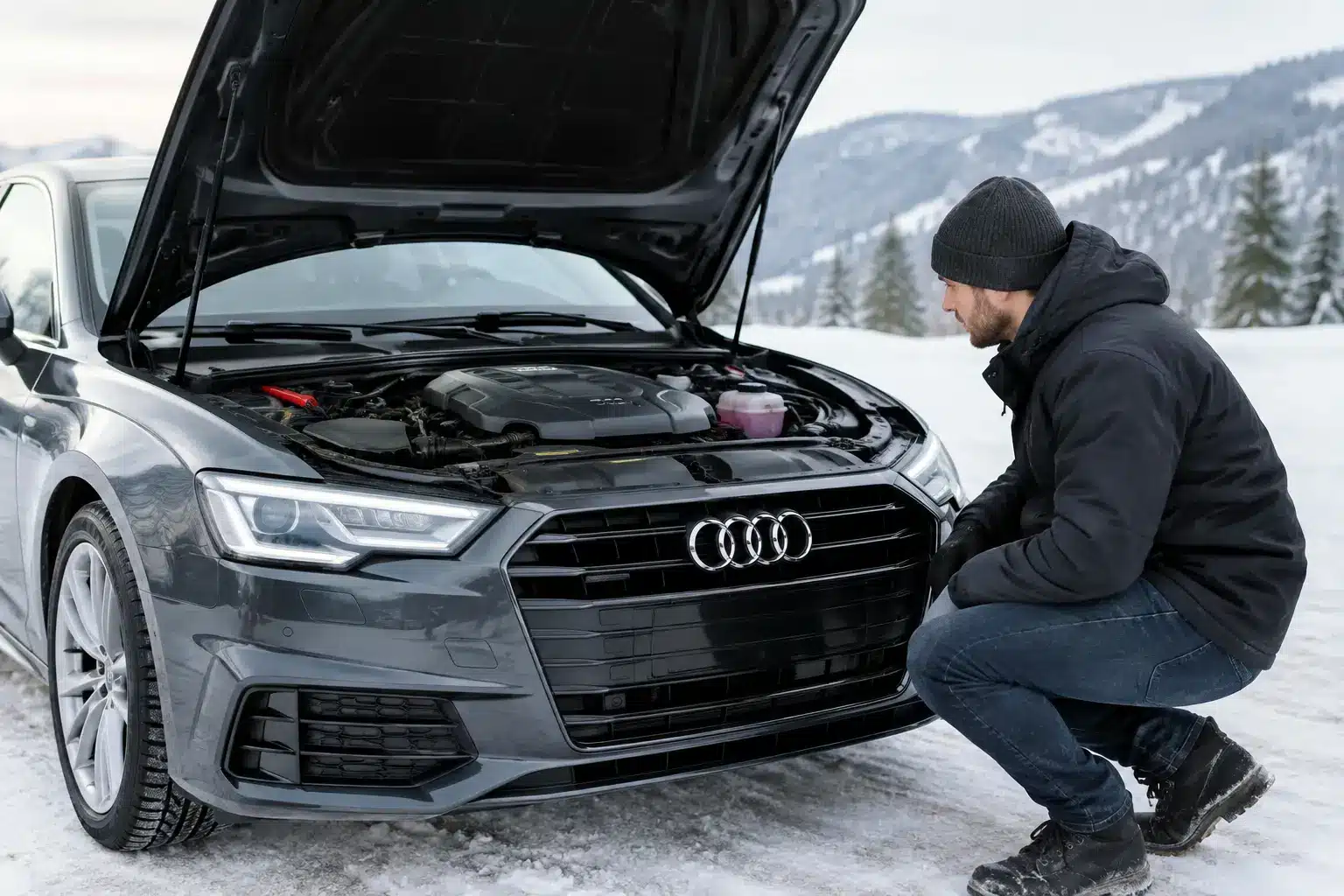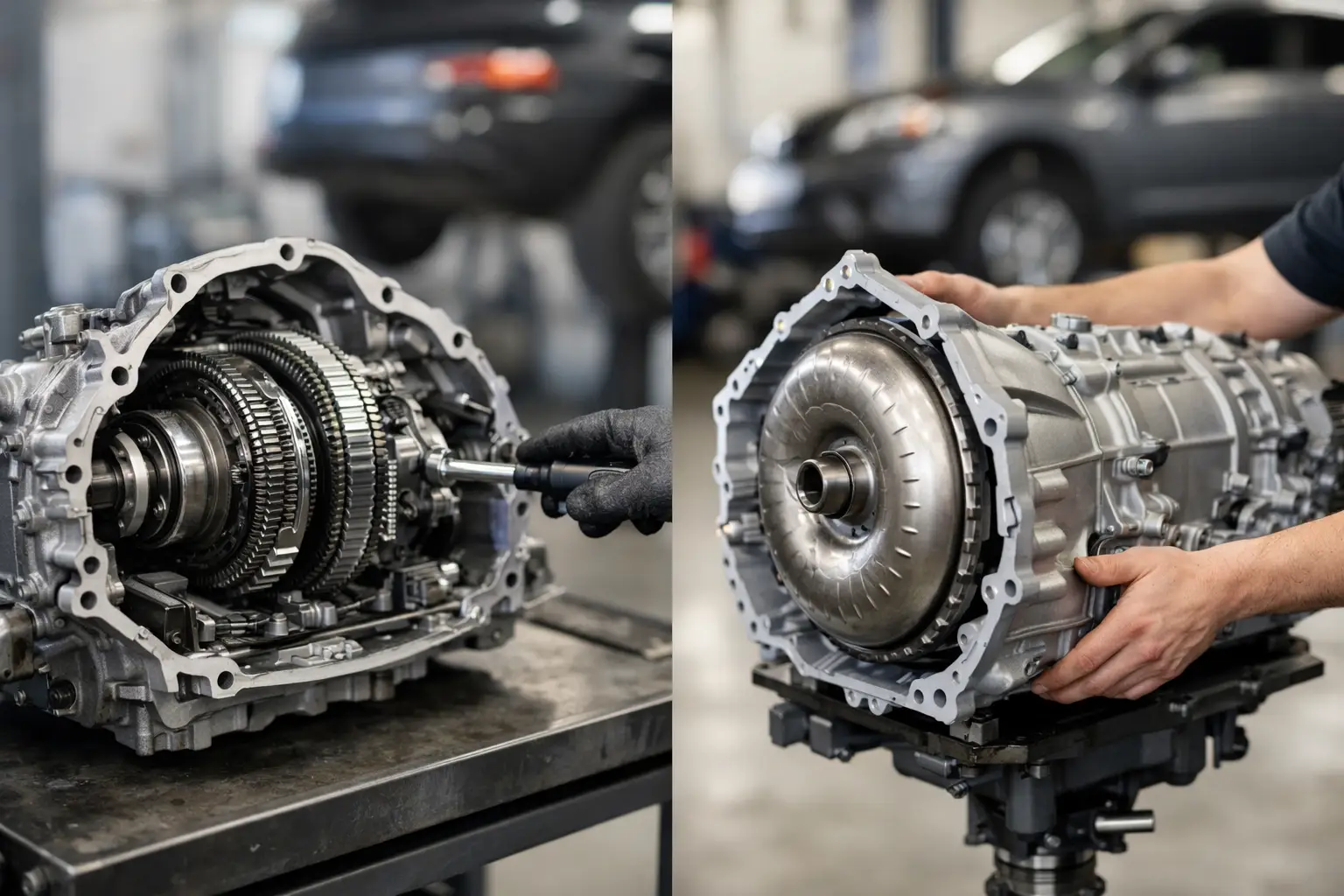
If your Audi, Volkswagen, Škoda or SEAT starts hesitating between gears, jolting when pulling away or flashing up gearbox warnings, the question is not just what has gone wrong. It is whether you need routine DSG servicing vs automatic repair, because those are two very different jobs with very different costs, timescales and outcomes.
For many VAG owners, the confusion starts with the word automatic. A DSG is an automatic to drive, but it is not the same as a traditional torque converter automatic. It uses a twin-clutch system, electronics and hydraulic control to deliver fast shifts and better efficiency. That setup works brilliantly when maintained properly, but it also means diagnosis needs to be accurate. Treating a service issue like a major repair can waste money. Ignoring an early fault because you assume it only needs a service can lead to a much bigger bill.
DSG servicing vs automatic repair – what is the difference?
A DSG service is planned maintenance. It is carried out at set intervals to protect the gearbox, keep the hydraulic system working correctly and reduce wear. On many VAG models, that means changing the DSG oil and filter, checking for leaks, and making sure the transmission is operating as it should. It is preventative work.
Automatic repair is different. That happens when something is already wrong. The gearbox may have developed a fault with the mechatronic unit, clutches, sensors, wiring, seals or internal components. In those cases, the job is not about refreshing fluid. It is about finding the cause of a specific problem and fixing it properly.
The two can overlap slightly, because poor servicing can contribute to failure. Old or contaminated oil can affect shift quality and hydraulic pressure, and a missed service interval can shorten component life. But a service will not fix every gearbox issue. If the mechatronic unit has failed, if the clutch pack is worn beyond tolerance or if there is an electrical fault, fresh oil alone will not sort it.
Why DSG gearboxes need specialist attention
A conventional automatic and a DSG can produce similar complaints from the driver’s seat. Both might slip, jerk or delay engagement. The difference is in how those faults happen and how they are diagnosed.
DSG systems rely heavily on precise fluid condition, electronic control and mechanical calibration. On VAG vehicles, there are known patterns across certain gearbox codes and model ranges, but the exact answer still depends on testing. Fault codes matter, live data matters, and so does road testing by someone who knows how these transmissions behave when healthy.
This is where specialist knowledge pays for itself. A general diagnosis of gear change problem is not enough. You need to know whether the issue is adaptation related, hydraulic, clutch related, electrical or internal wear. That is why many owners prefer a workshop with VAG-specific experience and the right diagnostic equipment rather than a guess-and-replace approach.
When a DSG service is likely to be enough
In the best-case scenario, the gearbox is not actually failing. It is simply overdue maintenance, or the symptoms are mild enough that routine servicing and checks can restore normal operation.
That is more likely if the car is due its scheduled DSG service and you have not had any serious warning lights, limp mode or persistent drivability problems. Slightly harsher shifts when the oil is old, or a gearbox that feels less smooth than it used to, can sometimes improve after the correct service procedure.
Service history matters here. If the car has been maintained on schedule and the issue is minor, preventative work may be all that is required. If the gearbox has missed services or the symptoms have been getting steadily worse, expectations need to be more cautious.
A proper service also gives a technician the chance to spot early signs of trouble. Contaminated fluid, fault codes, leaks or abnormal behaviour during checks can all point to a repair need before the gearbox deteriorates further.
When automatic repair is the real answer
If the car is banging into gear, refusing to select gears properly, dropping into neutral, showing transmission warning messages or struggling to move off cleanly, you are usually beyond routine servicing. The same applies if the problem remains after the correct service has already been carried out.
On DSG-equipped VAG cars, one common area is the mechatronic unit. This is the control hub for the gearbox, combining electronics and hydraulic functions. When it develops faults, the symptoms can feel dramatic – poor shifting, warning lights, erratic behaviour or complete loss of normal gearbox operation.
Clutch wear is another possibility, especially on higher mileage vehicles or cars used heavily in stop-start traffic. Then there are sensor faults, wiring issues, oil leaks and internal mechanical wear. Each one needs diagnosing on its own merits. Replacing parts without confirming the cause can get expensive quickly.
This is the practical difference in DSG servicing vs automatic repair. Servicing follows a schedule. Repair follows symptoms, test results and component condition.
The warning signs VAG owners should not ignore
Some gearbox faults announce themselves clearly. Others start small. If your vehicle hesitates when selecting drive or reverse, shudders at low speed, flares between gears, jolts under light acceleration or feels inconsistent from one journey to the next, it is worth getting checked sooner rather than later.
Warning lights are the obvious one, but they are not the only trigger. A gearbox can be storing relevant fault codes before a dashboard message appears. Likewise, a transmission that behaves badly only when hot, only in traffic or only on certain shifts can still have a genuine developing fault.
The reason not to leave it is simple. Early diagnosis can turn a manageable repair into just that – manageable. Leave it too long, and wear or contamination can spread the damage.
Cost, value and the danger of guessing
Most drivers asking about DSG servicing vs automatic repair are really asking what it is going to cost. The honest answer is that servicing is predictable and repair is variable.
A scheduled DSG service is a known maintenance item. It takes the correct fluid, the correct process and the right equipment, but it is still routine. Repair work is less predictable because the fault may lie in one component or several, and proper diagnosis comes first.
The cheapest quote is not always the best value if it skips the testing stage or uses parts and fluids that are not suitable. Equally, not every gearbox issue means a full rebuild or replacement. Sometimes the answer is more straightforward than owners fear, but you only get to that answer through proper assessment.
For local drivers around Aldermaston, Tadley, Basingstoke, Reading and Newbury, there is real value in choosing a workshop that understands VAG platforms well enough to narrow the problem down efficiently. That usually means less time wasted, fewer unnecessary parts and a clearer plan from the start.
How a specialist workshop approaches DSG faults
A good gearbox diagnosis should begin with the basics and then move into the specifics. That means confirming the customer complaint, checking service history, scanning for transmission fault codes, reviewing live data, carrying out road tests and inspecting for leaks or related issues.
From there, the job becomes more targeted. If the data points to hydraulic pressure problems, mechatronic issues or clutch adaptation faults, the next steps should follow logically. If the gearbox is simply overdue a service with no deeper fault indicated, that should be explained clearly as well.
That service-led, evidence-based approach is what most owners want. Not drama, not jargon for the sake of it, and not a long list of expensive possibilities before the car has even been tested.
For VAG owners, a specialist such as Mechalex can offer that level of clarity because the workshop deals with these systems regularly, uses up-to-date diagnostic equipment and understands the common gearbox issues across Audi, VW, Škoda and SEAT models.
DSG servicing vs automatic repair – which should you book?
If your car is due by mileage or time and has no serious symptoms, book a DSG service. That is the right move for longevity and often the most cost-effective way to avoid bigger problems.
If the gearbox is already showing faults, book diagnostics with repair in mind rather than asking for a service and hoping for the best. A service may still form part of the solution, but only after the underlying issue has been identified.
There is also a middle ground. Some owners notice mild changes in shift quality and are not sure whether they are feeling normal wear, overdue maintenance or the start of a fault. In that situation, specialist inspection is the sensible route. It gives you a clearer answer before the problem either disappears into guesswork or turns into a breakdown.
The most useful thing you can do is act early and describe the symptoms accurately – when they happen, how often, and whether the gearbox is worse when cold, hot, accelerating or manoeuvring. That information helps the workshop find the real cause faster.
If your VAG gearbox does not feel right, treating it as just another automatic can be an expensive mistake. The right diagnosis at the right time is what keeps a routine service from becoming a major repair.