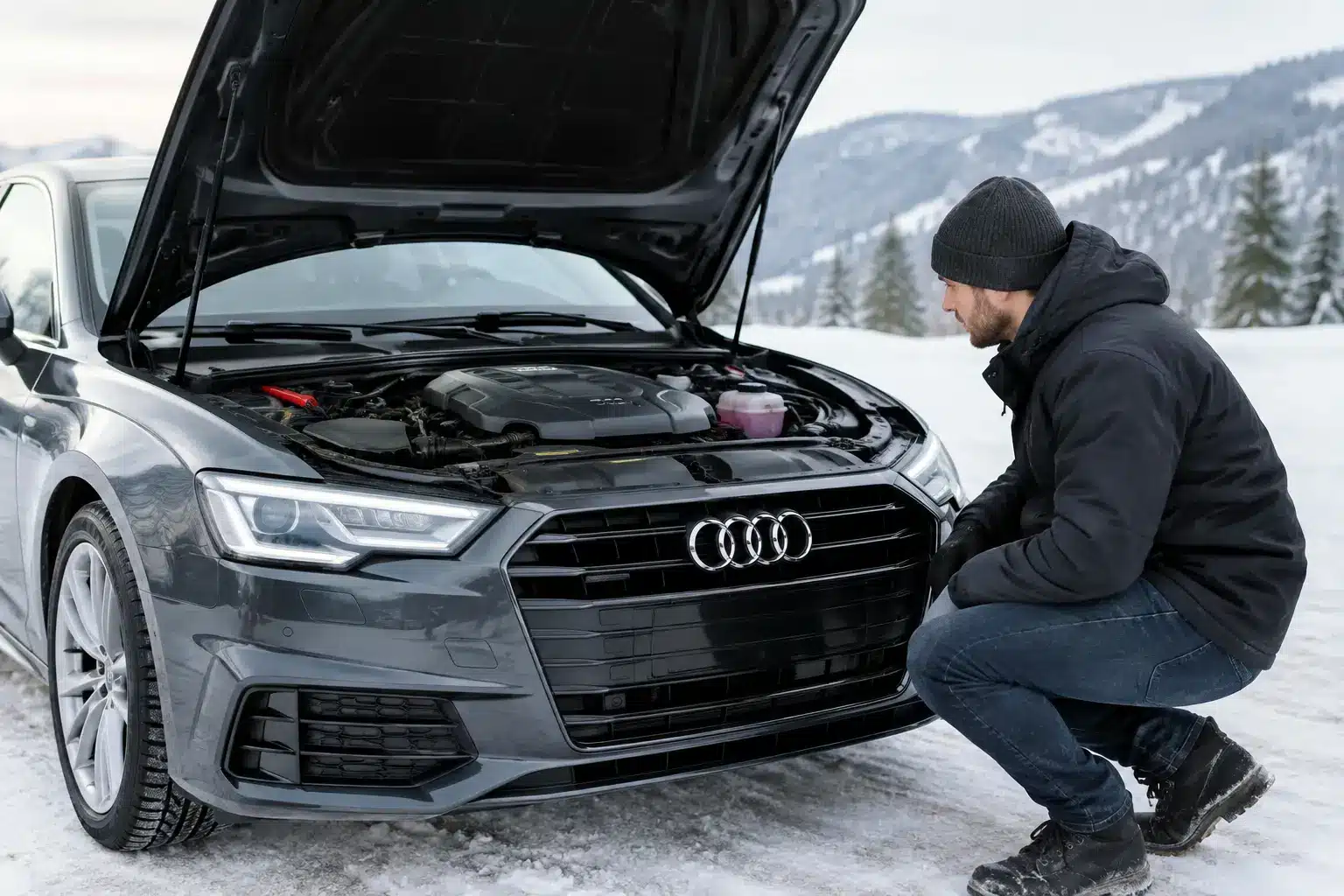
If your Audi, Volkswagen, Škoda or SEAT has started feeling a little less crisp on gear changes, or you are simply trying to stay ahead of expensive problems, the question usually comes down to one thing: DSG service interval what mileage actually applies to your car?
The short answer is that many wet-clutch DSG gearboxes need servicing every 40,000 miles. But not every DSG is the same, and that is where owners can get caught out. Some gearboxes have a filter and oil service requirement at fixed intervals, while others follow a different maintenance pattern. Get it right and the gearbox has a far better chance of staying smooth and reliable. Leave it too long and you risk poor shift quality, internal wear and, in some cases, very expensive repairs.
DSG service interval what mileage usually means
For most VAG models fitted with a wet-clutch DSG, the standard service interval is every 40,000 miles. On some vehicles, time also matters, so a service may be due after a set number of years even if the mileage is low. This is especially relevant for cars that do lots of short trips, school runs or stop-start commuting.
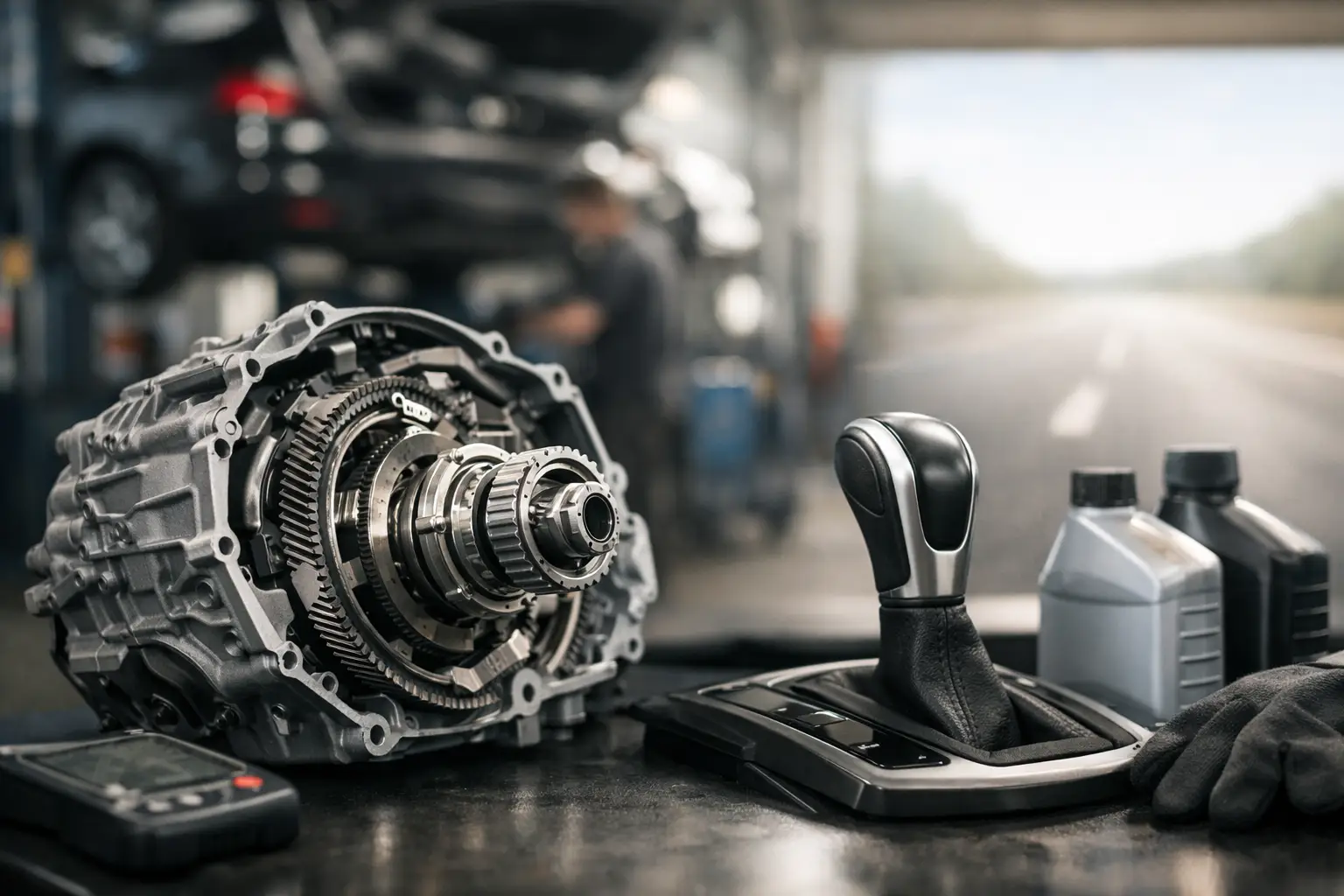
A DSG service is not the same as a standard engine oil service. The gearbox uses specialised transmission fluid, and on many DSG units the filter should be replaced at the same time. That oil does more than lubricate. It also helps with cooling, hydraulic operation and clutch performance. Once it degrades or becomes contaminated, the gearbox can no longer work at its best.
That is why mileage matters. A DSG might still drive reasonably well when overdue, but that does not mean the oil is still doing its job properly.
Why the mileage interval depends on which DSG you have
This is the part many general guides miss. “DSG” is a broad term, not one single gearbox. VAG has used several DSG and S tronic variants across different engines and models, and service needs vary by transmission type.
Wet-clutch DSG gearboxes are the ones most commonly associated with the 40,000-mile interval. These transmissions rely on gearbox oil in a more service-critical way, so regular fluid and filter changes are part of normal maintenance.
Some dry-clutch DSG units do not follow that same routine service schedule. That does not mean they are maintenance-free in the real world. It simply means the manufacturer service schedule may differ. They can still suffer from wear, juddering, mechatronic faults or fluid-related issues in other parts of the transmission system, and they still benefit from proper diagnosis if anything feels off.
There are also later or more specialist transmissions in performance and four-wheel-drive models where service requirements may be slightly different again. The safest approach is to check the gearbox code and model-specific schedule rather than relying on a forum comment or a generic service chart.
What happens during a DSG service
A proper DSG service is a specialist maintenance job, not just a quick drain and refill. The exact procedure depends on the transmission, but on a wet-clutch DSG it will usually involve draining the old gearbox oil, replacing the filter where applicable, refilling with the correct fluid to the correct level, and checking temperature-dependent fluid levels as part of the process.
This is one reason specialist knowledge matters. These gearboxes are sensitive to oil specification and fill procedure. Too much fluid, too little fluid, or the wrong type altogether can create more problems than it solves. On VAG vehicles, using the right equipment and following the correct process is not optional.
In some cases, it also makes sense to scan the vehicle for stored gearbox faults, especially if the customer has reported hesitation, jolting, harsh shifting or warning lights. Servicing helps protect the gearbox, but it is not a cure-all if there is already a mechanical or mechatronic problem developing.
Signs your DSG service may be overdue
Not every overdue DSG announces itself dramatically. Some cars simply lose that clean, fast shift quality owners expect. Others start showing more obvious symptoms.
You may notice jerky low-speed changes, hesitation when pulling away, shuddering in traffic, harsher upshifts or downshifts, or a general feeling that the gearbox is less settled than it used to be. Those symptoms do not always mean the service interval has been missed, but if the car is due or overdue, it is a sensible place to start.
It is also worth paying attention to service history when buying a used VAG car. A car at 80,000 miles with no evidence of DSG servicing may already have missed two intervals on some wet-clutch units. That does not automatically mean the gearbox is damaged, but it does raise the level of risk.
Can you stretch the interval?
Some owners ask whether 40,000 miles is really necessary if the car still feels fine. From a workshop point of view, stretching DSG intervals is a false economy more often than not.
Transmission oil breaks down over time and use, not just when symptoms appear. Heat cycles, clutch material and normal wear all affect fluid condition. If the car tows, carries heavy loads, spends its life in traffic or is driven enthusiastically, the oil has an even harder time.
That said, there is always some nuance. A lightly used car that has covered low mileage may be in better condition than a hard-worked car at the same odometer reading. But service schedules are there to reduce risk, not just react to faults. Waiting until the gearbox feels wrong is usually when costs start climbing.
DSG service interval by mileage versus time
If you are searching for DSG service interval by mileage, that is the right place to start, but time matters as well. A vehicle that has done only 20,000 miles in several years can still have ageing fluid. Moisture, repeated heat cycling and long periods between proper operating temperatures can all affect how well that fluid performs.
For owners who do low annual mileage, this is where specialist advice helps. A workshop familiar with VAG service schedules can tell you whether your particular gearbox should be serviced based on age as well as mileage, rather than simply waiting for the next big odometer milestone.
Why a specialist workshop makes a difference
DSG servicing looks straightforward until it is done incorrectly. These gearboxes need the correct oil, the correct procedure and technicians who understand the differences between VAG transmission types. That is particularly important when a car has a mixed history, previous gearbox complaints or performance modifications.
A VAG specialist will usually be far better placed than a general garage to identify exactly which gearbox is fitted, whether the interval has been missed, and whether the symptoms point to overdue maintenance or something more involved such as a mechatronic fault.
That matters because not every shifting complaint is solved by a service. If the gearbox has underlying issues, the right diagnosis saves time and avoids wasted money. Equally, if it simply needs routine maintenance, getting it done properly can restore shift quality and help prevent unnecessary wear.
For owners around Aldermaston, Tadley, Basingstoke, Reading and Newbury, using a VAG specialist such as Mechalex means dealer-level familiarity with these systems, without the usual main dealer pricing.
The cost of ignoring a DSG service
Most drivers do not think much about gearbox oil until there is a problem, and by then the bill is rarely small. Compared with the cost of mechatronic repairs, clutch-related work or internal gearbox damage, routine DSG servicing is sensible preventative maintenance.
It is also one of those jobs where the service history supports the car’s value. Buyers of used VAG cars increasingly know to ask whether the DSG has been serviced on time. A stamped record for the right interval is far more reassuring than “it has always driven fine”.
If you plan to keep the car, regular servicing helps preserve how it drives. If you plan to sell it, it shows the car has been maintained properly.
So, what mileage should you book it in?
If your VAG car has a wet-clutch DSG, 40,000 miles is the figure many owners need to know, with repeat services at the same interval after that. If you are unsure which gearbox your car has, do not guess. Check the service schedule for the exact transmission or ask a VAG specialist to confirm it.
That is especially worthwhile if you have bought the car used, if the history is patchy, or if the gearbox feels different from how it should. Catching up on a missed service is always better than carrying on and hoping for the best.
A DSG is excellent when it is maintained properly – fast, efficient and smooth. Give it the right service at the right mileage, and it is far more likely to stay that way.