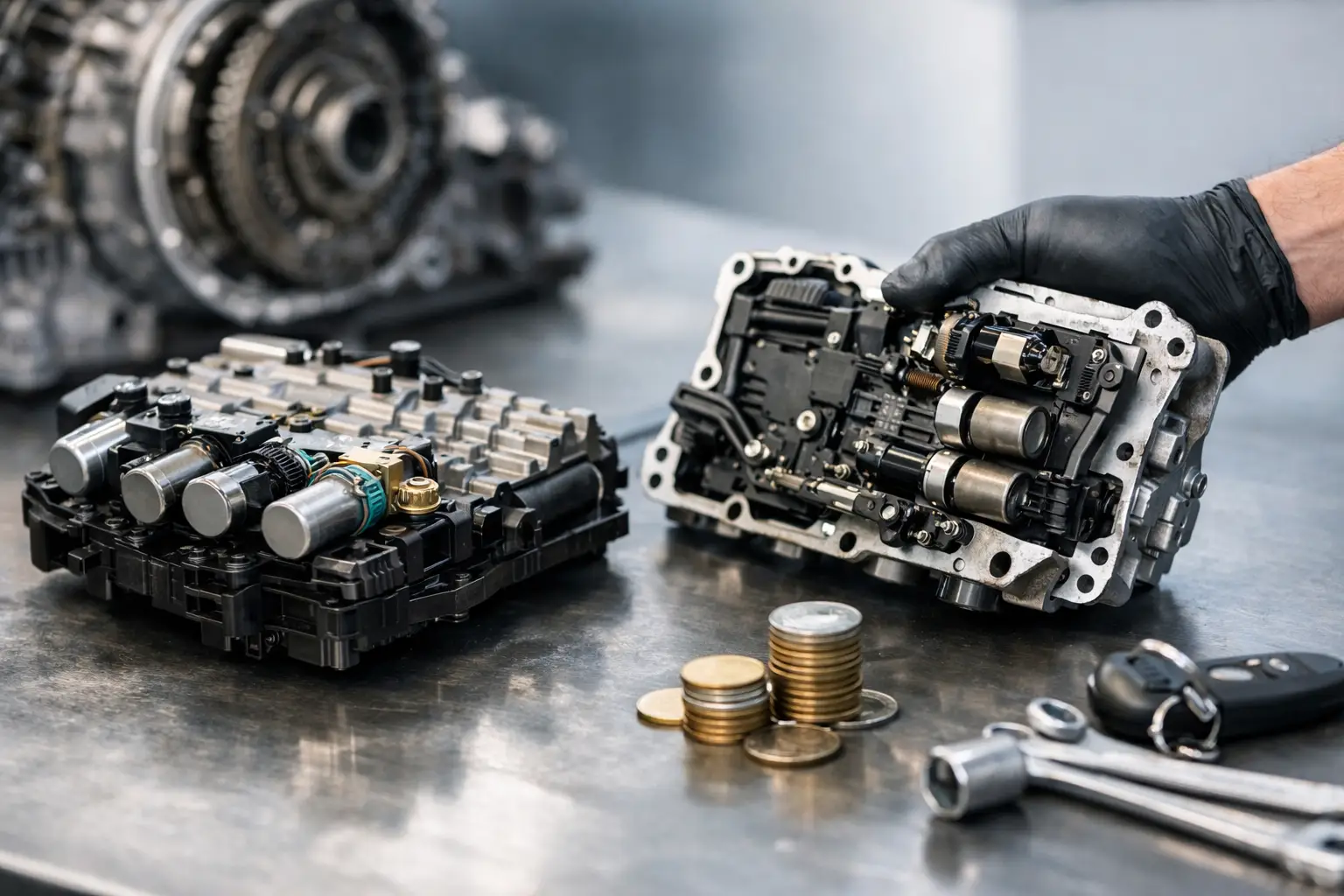
A DSG gearbox that suddenly hesitates at a roundabout, thumps into gear when cold, or flashes up a gearbox warning on the dash is rarely something to ignore and hope for the best. When drivers search for mechatronic repair symptoms and costs, they are usually already dealing with a car that feels wrong, and the key question is whether the issue is a service need, an electrical fault, or a more serious mechanical problem inside the transmission.
On many Audi, Volkswagen, Škoda and SEAT models, the mechatronic unit is the control centre for the DSG gearbox. It combines electronics, hydraulic control and solenoids to manage gear selection and clutch operation. When it starts to fail, the symptoms can feel dramatic, but not every gearbox issue means the whole transmission is finished. Proper diagnosis matters because the right repair can be far more sensible than replacing major components unnecessarily.
Common mechatronic repair symptoms
The most common mechatronic repair symptoms are harsh shifting, delayed engagement, hesitation when moving off, unexpected dropping out of gear and warning lights relating to the gearbox. Some cars go into limp mode and stay stuck in one gear. Others feel inconsistent, behaving normally on one journey and badly on the next.
A driver might notice a pause when selecting Drive or Reverse, followed by a jolt as the gear finally engages. In other cases, the gearbox may flare between changes, hold onto gears too long, or shift abruptly at low speed. These faults are especially noticeable in traffic, during parking manoeuvres and when the gearbox is cold.
There can also be subtler signs. Jerky creeping, shuddering at low speed, or a car that feels unsure about which gear it wants can all point towards mechatronic control problems. That said, similar complaints can also come from worn clutch packs, old DSG oil on serviceable units, software issues or internal gearbox wear. This is why reading fault codes alone is not enough. Live data, road testing and experience with VAG drivetrains make a big difference.
What the mechatronic unit actually does
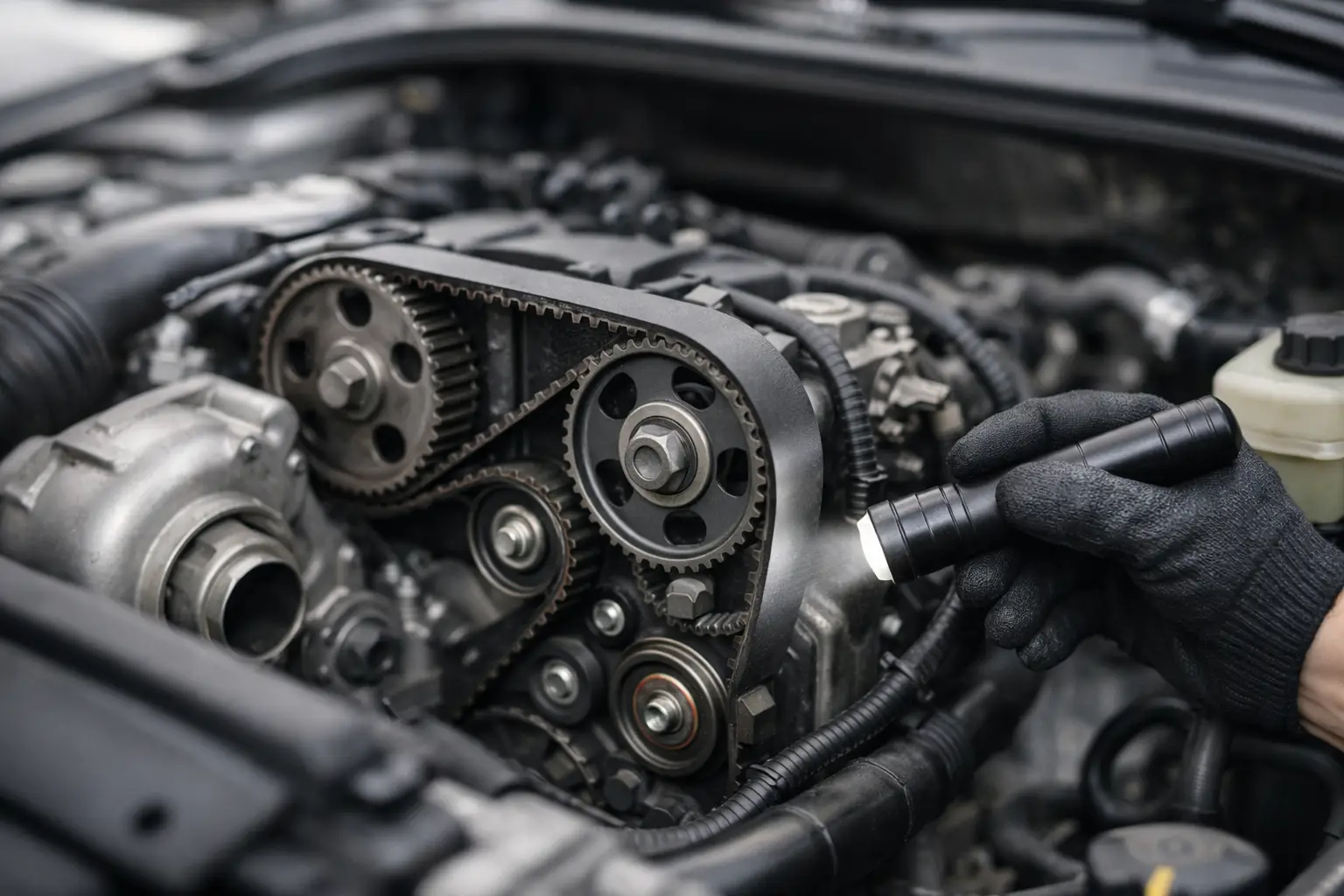
The mechatronic unit acts as the gearbox brain and hydraulic controller in one assembly. It receives information from sensors, processes driver demand and vehicle speed, then controls hydraulic pressure to engage clutches and select gears. When it is working properly, shifts are quick, smooth and predictable.
When it is not, the gearbox can lose that accuracy. A failed solenoid may not regulate pressure correctly. An internal electrical fault may interrupt communication. A pressure loss issue may affect engagement. The result is that the gearbox no longer knows, or cannot reliably carry out, the shift it is trying to make.
On VAG vehicles, there are known patterns depending on the specific DSG type and vehicle age. Some suffer electrical faults within the unit. Others develop pressure-related problems or circuit board issues. The exact gearbox code matters, because repair options and costs vary significantly between models.
Why these symptoms should not be ignored
A gearbox that is only slightly jerky today can become non-drivable later. In some cases, continued use with a mechatronic fault can place extra strain on the clutch packs or create more severe drivability issues. Even if the fault does not immediately cause major damage, it can leave you stranded or make the car unsafe in traffic if drive engagement becomes unpredictable.
There is also the cost side. Catching the fault early may keep the repair focused on the mechatronic unit, related wiring, fluid condition or software adaptation. Leave it too long and there is a greater chance of secondary wear or a more involved transmission job. Not every case escalates, but it is rarely worth gambling on.
What affects mechatronic repair costs
When people ask about mechatronic repair symptoms and costs, the honest answer is that cost depends on diagnosis first, not guesswork. A proper bill is shaped by the gearbox type, the nature of the fault, whether the unit can be repaired or needs replacement, and whether any clutch or internal transmission issues are found at the same time.
A straightforward repair involving diagnostics, removal, specialist repair work and refitting will usually cost far less than a complete gearbox replacement. However, there is a big spread between a minor electrical issue and a full mechatronic replacement with coding and adaptations.
Parts quality matters as well. Using OEM or equivalent standard components is important with DSG work because poor-quality parts can create repeat faults, poor shifting or short service life. Labour also reflects the time needed to diagnose correctly, remove components carefully and carry out setup procedures afterwards.
As a realistic guide, owners should expect anything from the high hundreds into the low thousands depending on the fault and vehicle. That is a broad range, but it is more honest than quoting a single figure before the car has been tested. If anyone gives you an exact price for a DSG mechatronic issue without proper inspection, treat that with caution.
Repair or replacement?
It depends on what has failed. Some mechatronic units can be repaired successfully if the issue is confined to known internal faults. In other cases, replacement is the better option, especially where the unit has suffered extensive internal failure or the repair route is not reliable for that gearbox variant.
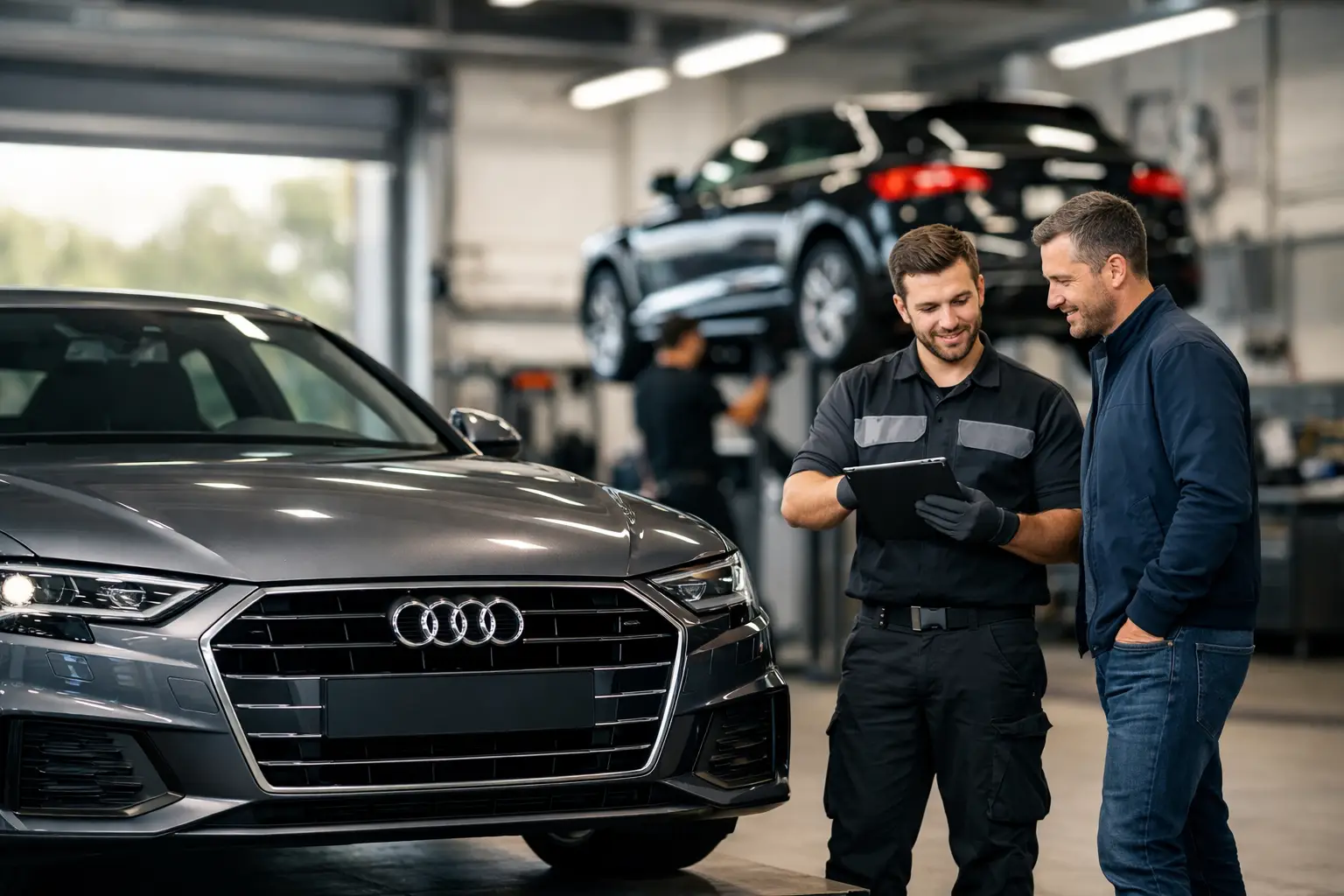
This is where specialist knowledge pays off. A workshop familiar with VAG systems can often identify whether the symptom pattern points to a genuine mechatronic fault, a clutch-related issue, a service problem or a deeper gearbox defect. That helps avoid spending money on the wrong job.
A replacement unit may sound like the safer route, but it is not always the most sensible one. Likewise, the cheapest repair is not always the best value if it does not address the root cause. The aim should be the correct fix, not simply the lowest upfront number.
How diagnosis should be approached
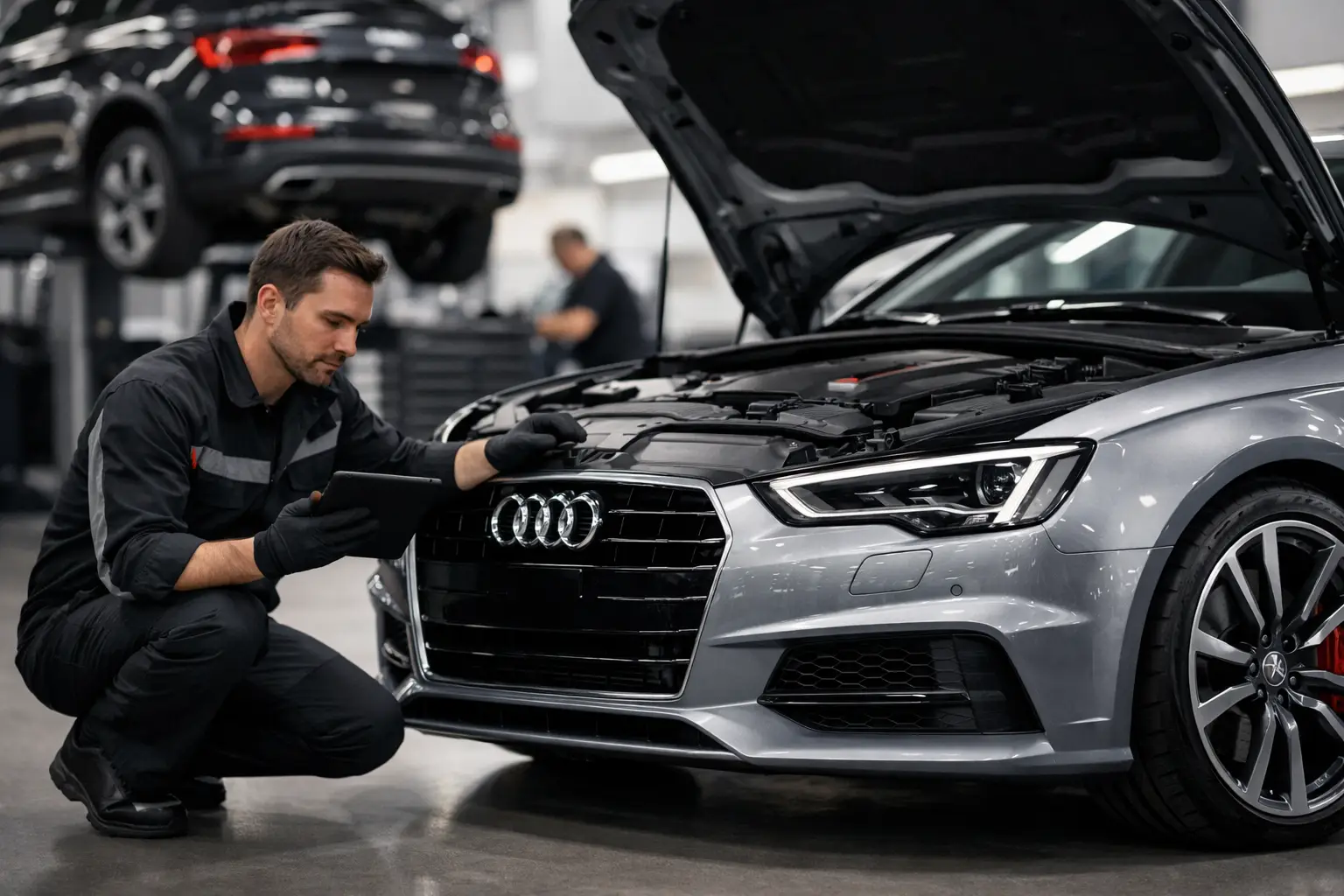
Good DSG diagnosis is not just plugging in a scan tool and printing fault codes. Fault memory is useful, but so is checking measured values, hydraulic behaviour, adaptation data and how the gearbox performs on the road. Service history matters too, because missed DSG servicing can contribute to poor operation on certain units.
A technician should also consider whether the complaint appears only hot, only cold, only under load or only in stop-start traffic. Those details can change the direction of the diagnosis. Customer description is genuinely useful here. Saying the car is “a bit funny” is less helpful than explaining whether it bangs into Reverse after a delay or loses drive after ten minutes in traffic.
For local owners around Aldermaston, Tadley, Basingstoke or Reading, using a VAG specialist such as Mechalex usually makes more sense than treating a DSG issue as a generic transmission problem. Platform familiarity saves time and often leads to a more accurate first diagnosis.
What owners can do before booking in
If the gearbox warning light has appeared, if the car is struggling to select gears, or if it is lurching badly into Drive or Reverse, book it in promptly and limit use if the fault feels severe. Continuing to drive a car that is dropping out of gear or entering limp mode is not wise.
It also helps to note when the symptoms happen. Is it worse from cold, after a motorway run, during parking, or when accelerating firmly? Has the DSG oil service been done at the correct interval where applicable? Has any previous gearbox work been carried out? These details give the workshop a better starting point and can shorten the diagnostic process.
The value of specialist repair
Mechatronic faults sit in that awkward category where the car may still move, but never feels trustworthy. That uncertainty is often worse than a complete failure because drivers start planning every journey around whether the gearbox will behave itself. The right repair should restore confidence as much as function.
For VAG owners, the best outcome usually comes from a workshop that understands these systems properly, uses the right diagnostic equipment and is prepared to test rather than guess. If your DSG has started showing the classic signs, acting early usually gives you more options, a clearer repair path and a better chance of avoiding a much larger bill later.