
You book your car in for a service, then pause at the last minute because of one question: can independent garages update service history? For many Audi, Volkswagen, Škoda and SEAT owners, that question is less about paperwork and more about protecting the car’s value, warranty position and future resale appeal. The short answer is yes, often they can – but the detail matters.
For VAG owners in and around Aldermaston, Tadley, Basingstoke, Reading and Newbury, this is worth getting right. Modern service records are no longer always a stamped paper booklet tucked in the handbook pack. In many cases, they sit in a digital system, and whether an independent garage can update that record depends on the manufacturer’s setup, the age of the vehicle and the workshop’s access to the right platform.
Can independent garages update service history for VAG cars?
In many cases, yes. Independent garages can still carry out servicing to the correct schedule, use OEM or equivalent parts, and maintain a proper service record. What changes is the method of recording it.
With older vehicles, that usually means a physical service book and detailed invoice. With newer cars, especially within the Volkswagen Audi Group, it may mean a digital service record rather than a stamp. Some independent specialists have access to manufacturer-approved systems or processes that allow digital service entries. Others will provide a full supporting record instead, which is still important and often perfectly acceptable when the work has been carried out correctly.
This is where owners sometimes get confused. Servicing and updating the service history are related, but they are not exactly the same thing. A garage might do an impeccable service to manufacturer standards but be unable to enter it into a specific digital platform if the brand restricts access. That does not mean the service is invalid. It means the evidence of that service may be recorded in a different way.
What counts as a valid service history?
A valid service history is not just a logo or a dealer stamp. It is a record showing the right work was completed at the right time, using the right parts and fluids, by competent technicians.
For most buyers and owners, the strongest history includes dated invoices, mileage records, a clear description of the work carried out and confirmation that the service followed the manufacturer schedule. If your Audi has had a DSG service, for example, a proper invoice showing the fluid specification, filter replacement where required and mileage is far more useful than a vague stamp with no detail.
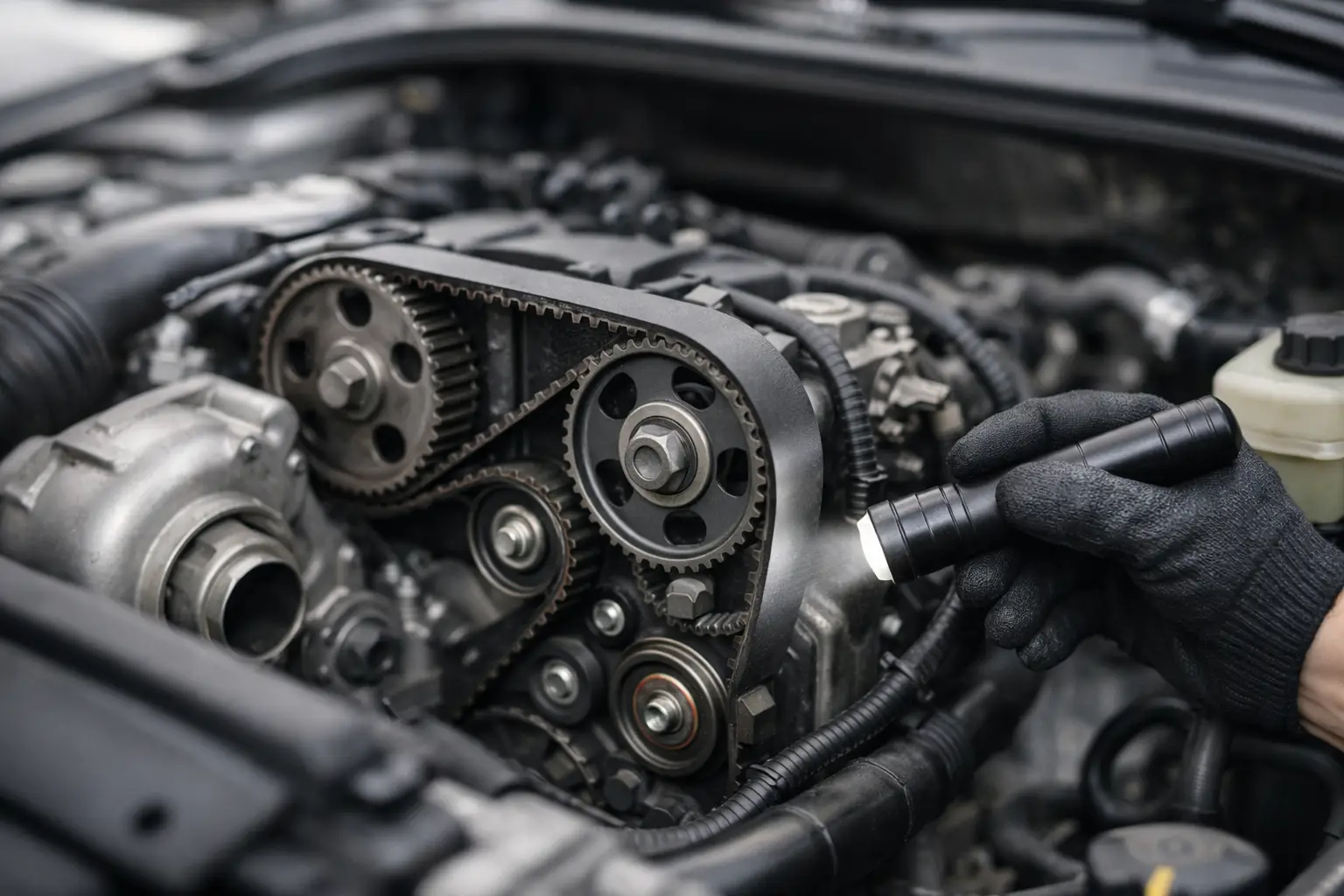
That matters even more with specialist VAG work. Items such as Haldex servicing, cambelt and water pump replacement, carbon cleaning or mechatronic repair all benefit from a detailed paper trail. Buyers want proof. So do warranty providers. So does any garage diagnosing the car later.
Digital service records versus paper service books
The shift from stamped books to digital records has created most of the uncertainty around this topic. Many owners still assume only a main dealer can touch the service history because the record is electronic. That is not always true.
Some manufacturers allow qualifying independent garages to update the digital service schedule through approved channels. Some make this easier than others. Some vehicles will still have a conventional service book alongside electronic records. Some will rely heavily on invoice history if direct digital access is limited.
With VAG cars, the exact answer can depend on model year and brand. A 2012 Volkswagen may be a very different case from a 2021 Audi. That is why it is sensible to ask the garage before booking in, especially if digital record entry is a priority for you.
If you are local to Reading, Basingstoke or Newbury and regularly cover motorway mileage, keeping a clean, traceable service record is well worth the effort. High-mileage commuting cars benefit from proper documentation because wear items and scheduled work come around quickly.
Does independent servicing affect warranty?
It can, but not simply because you chose an independent garage. In many cases, using an independent does not invalidate a manufacturer warranty as long as the service follows the maker’s schedule and uses the correct parts, fluids and procedures.
The problem usually comes from poor documentation or corners being cut. If the oil grade is wrong, the service interval is missed, or the workshop cannot evidence what was done, you may have a problem later if a warranty claim is challenged.
That is why specialist knowledge matters. VAG servicing is not just about changing oil and resetting a reminder. It can involve manufacturer-specific intervals, gearbox service requirements, condition-based servicing logic and known platform-related checks. A garage that understands these cars properly is much better placed to protect both the vehicle and its history.
Why specialists often make more sense than a general garage
There is a big difference between a general independent and a VAG specialist. Both may be independent, but the depth of knowledge is not always comparable.
For Audi, Volkswagen, Škoda and SEAT owners, the real value is in having technicians who see these vehicles every day and understand the common faults, service patterns and software-led systems behind them. If your car needs more than routine maintenance – perhaps a DSG service, Haldex service or advanced diagnostics – brand-specific experience becomes especially important.
A specialist workshop also tends to know what future buyers care about. They understand which jobs need especially clear documentation and which service items are often overlooked by non-specialists. That can make a real difference when it is time to sell the car.
For drivers around Aldermaston and Tadley, choosing a local VAG specialist can also be more practical than travelling to a main dealer. You are often getting dealer-level technical capability, modern diagnostic equipment and a more personal service experience, without the dealer price tag or the feeling that your car has disappeared into a queue.
What to ask before booking
If service history matters to you, ask the question upfront rather than after the work is done. A good independent garage should be clear about what they can record and how.
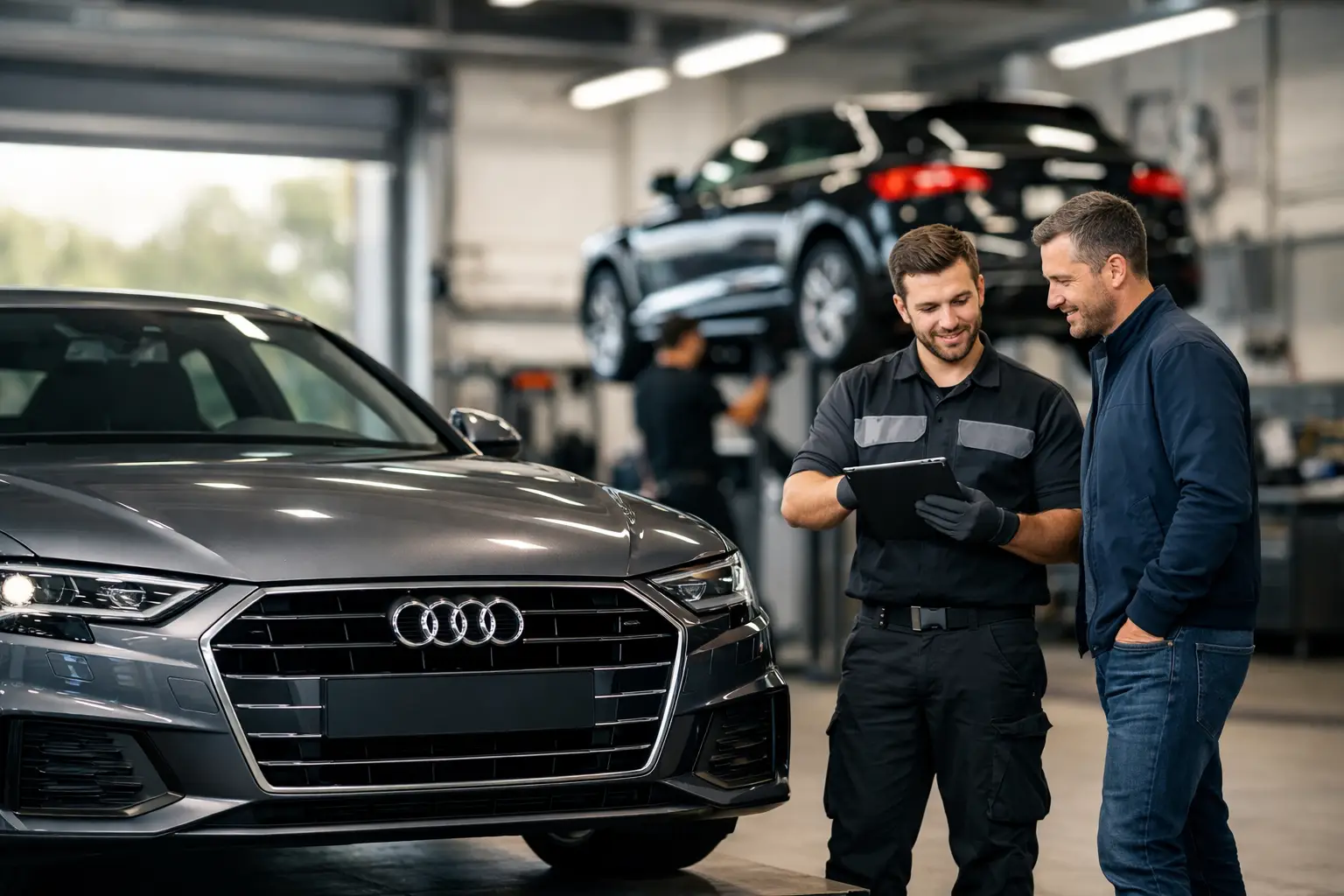
Ask whether they can update the manufacturer’s digital service history for your exact model and year. If they cannot, ask what documentation they provide instead. You should expect a detailed invoice, mileage entry and confirmation of the parts and fluids used. If your car is under warranty or covered by a third-party policy, ask how they service to manufacturer specification and whether there is anything specific you should retain.
This matters even more if you are asking a question like where to get an Audi DSG service. A gearbox service on a VAG vehicle is not a job to treat casually, and you want both the work itself and the record of it handled properly.
Can independent garages update service history and still help resale value?
Yes, absolutely – provided the servicing is done properly and documented well. Many used car buyers are now more interested in who carried out the work than whether every visit was to a main dealer. A respected independent specialist with proper invoices can be a strong selling point.
In fact, for older VAG cars, a history made up of specialist invoices can look better than patchy dealer stamps with long gaps between visits. Buyers know that older Audi and Volkswagen models often end up in the hands of specialists for good reason. The same is true for performance-focused or enthusiast-owned cars, where careful maintenance matters more than dealership branding.
The key point is consistency. If the car has been serviced on time, the records are complete and the work reflects the vehicle’s needs, an independent history can support resale very well.
The practical answer for local VAG owners
If you are based near Basingstoke, Reading, Newbury, Tadley or Aldermaston and want a sensible alternative to the main dealer, do not assume you have to choose between proper servicing and proper history. In many cases, you can have both.
The right independent garage will be honest about whether your service record can be updated directly, and just as importantly, they will carry out the work to the correct standard. That means using OEM or equivalent parts, following the right intervals, checking the known weak points and giving you clear documentation to keep with the car.
For daily drivers, family cars and enthusiast-owned VAG models alike, that is usually what matters most. A service history should tell the real story of how the car has been looked after, not just where it happened.
If you are unsure about your own car, ask before the service is booked. A straightforward conversation now can save a lot of doubt later, and a well-documented car is always easier to live with, easier to trust and easier to sell.