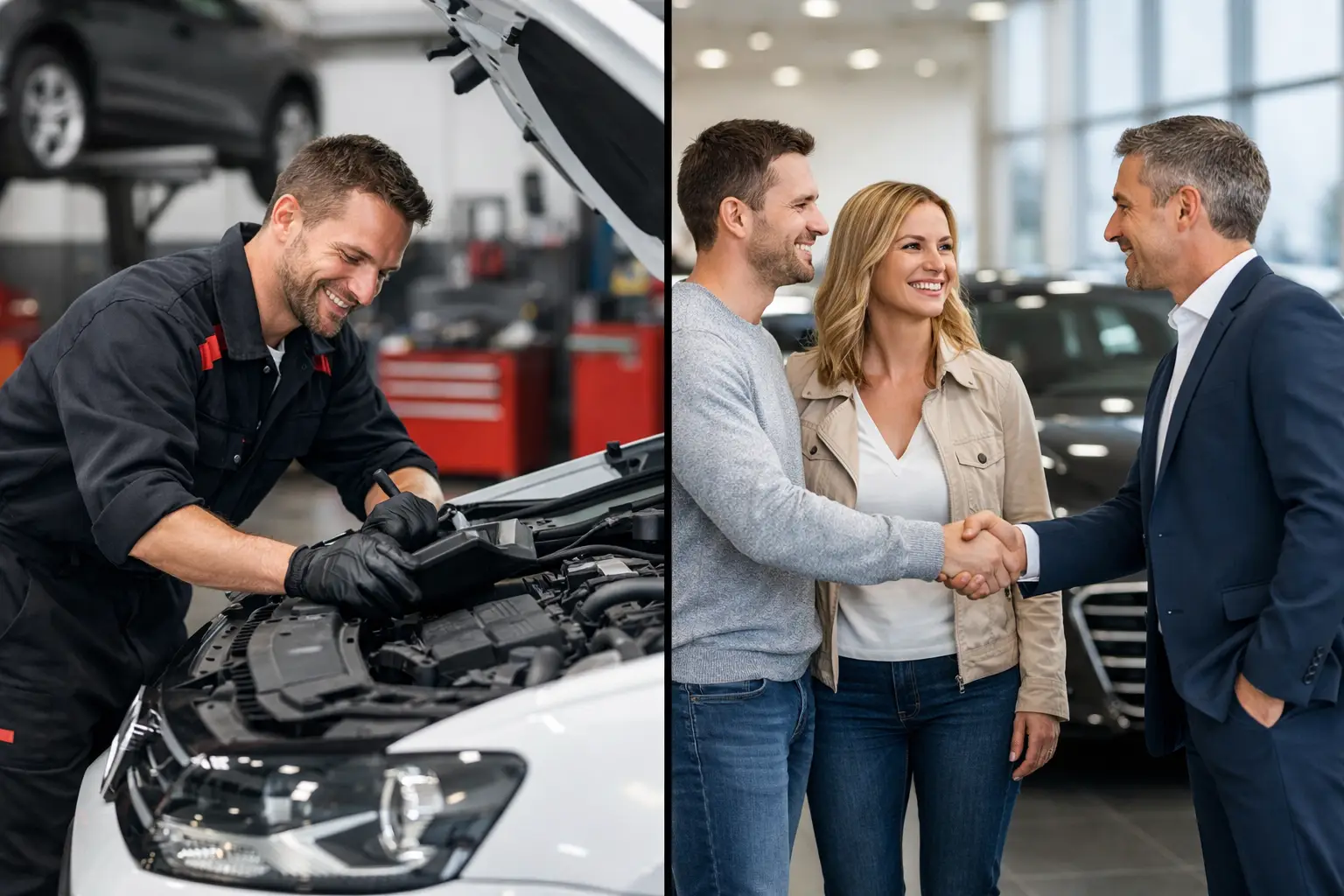
If you drive an Audi, Volkswagen, Škoda or SEAT, the question usually comes up when the car needs more than a basic oil change. Do you book into the dealer, or do you find the best VAG specialist vs dealer option for your car, your budget and the way you use it? For many local drivers, the answer depends less on the badge above the workshop door and more on who actually understands the car in front of them.
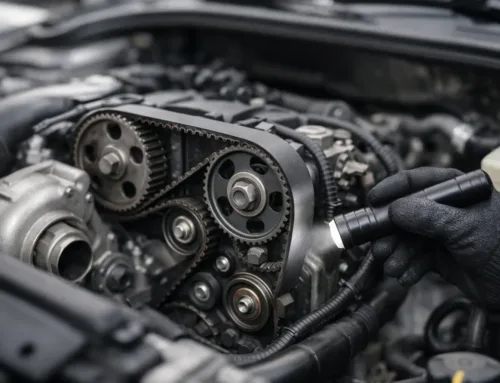
That matters because modern VAG vehicles are not simple. DSG gearboxes, Haldex systems, mechatronics, timing components, carbon build-up and software-led diagnostics all need the right equipment and the right experience. A workshop can be cheaper, but if it cannot diagnose properly or uses poor-quality parts, the saving disappears quickly.
Best VAG specialist vs dealer – what are you really comparing?
Most people start with cost, which is understandable. Main dealers often carry higher labour rates, fixed processes and bigger overheads. An independent VAG specialist will usually be more competitive on price while still offering OEM or equivalent parts and proper servicing procedures.
But price on its own is too narrow. What you are really comparing is technical capability, consistency, convenience and trust. If your car needs routine servicing and MOT preparation, either route may be suitable. If it has an intermittent fault, a DSG issue, a Haldex service requirement or a driveline concern, the quality of the diagnosis becomes far more important than whether the waiting area has a branded coffee machine.
For owners around Aldermaston, Tadley, Basingstoke, Reading and Newbury, convenience also plays a part. A local specialist can be easier to get to, easier to speak with and often more flexible when you need realistic booking times or a courtesy car so life does not stop for a workshop appointment.
Where a dealer still makes sense
There are cases where a main dealer is the right choice. If your car is under manufacturer warranty and the issue may involve a warranty claim, the dealer route can be simpler. The same applies to manufacturer recalls, software campaigns or very new model-specific updates that sit directly within the dealer network process.
Some owners also prefer the structure of dealer service history, especially on newer cars where resale perception matters to them. That is not unreasonable. For a nearly-new company car or a car that will be sold on quickly, dealer stamps may still carry weight for some buyers.
The key point is that dealer does not automatically mean better diagnosis, better workmanship or better value once the car is out of that early ownership window. It simply means one type of network, with one set of processes and one pricing model.
Where a VAG specialist often comes out ahead
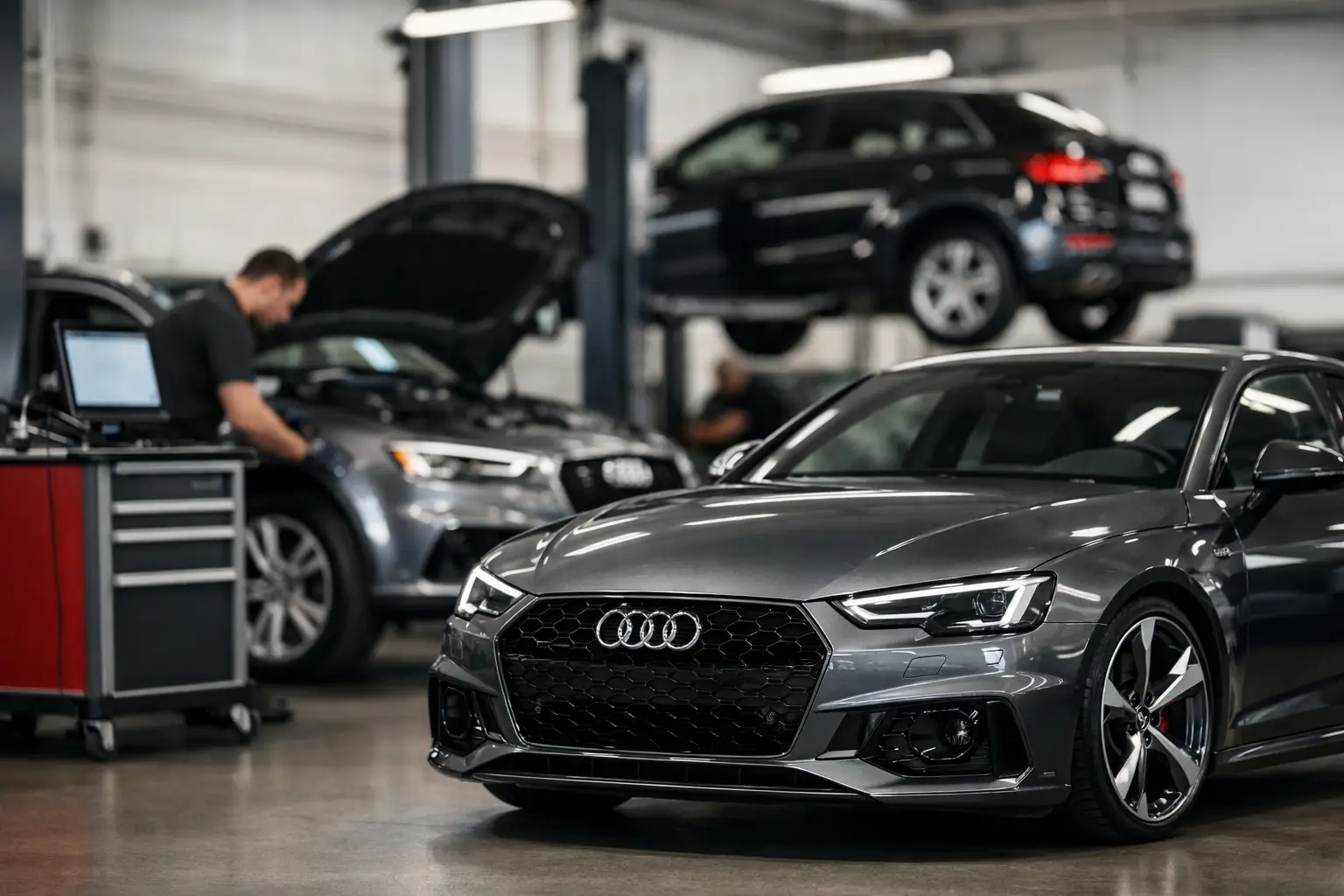
A genuine VAG specialist spends every week working on the same group of vehicles and the same recurring fault patterns. That brand focus matters. Audi, Volkswagen, Škoda and SEAT share platforms, engines, gearboxes and known weak points, so experience builds faster than it does in a workshop covering every make equally.
That kind of specialist knowledge shows up in practical ways. A technician who sees common EA888 issues regularly, understands DSG service intervals properly, knows what Haldex maintenance is often missed, or can identify mechatronic symptoms before parts are thrown at the car is likely to save you both time and money.
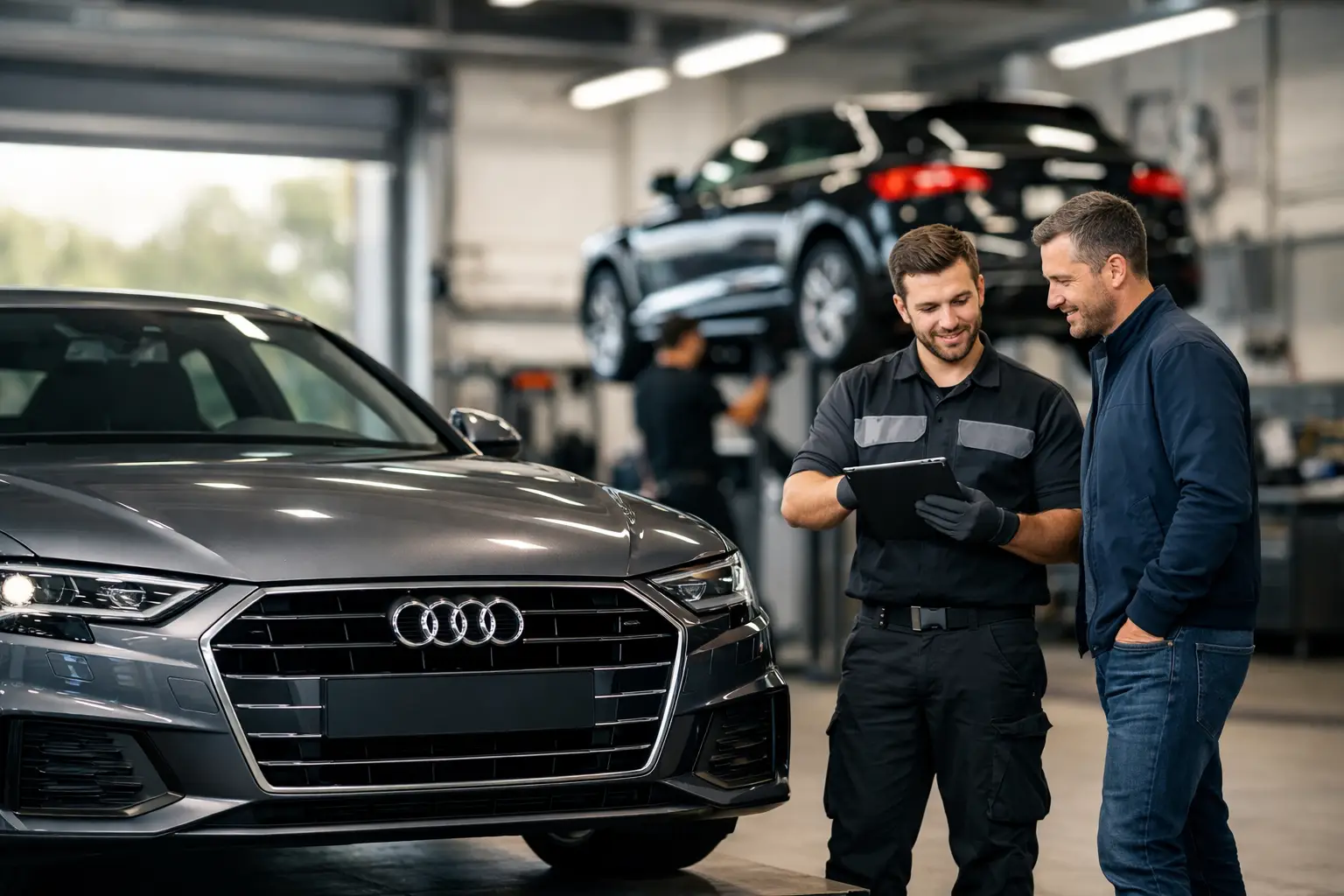
The best independents also tend to be more direct with customers. Instead of filtering everything through a service desk script, you are more likely to get a clear explanation of what has been found, what needs doing now and what can sensibly wait. For owners keeping a car long term, that honesty matters more than showroom presentation.
Diagnostics are where the difference becomes obvious
This is often the deciding factor in the best VAG specialist vs dealer debate. Servicing is one thing. Fault-finding is another.
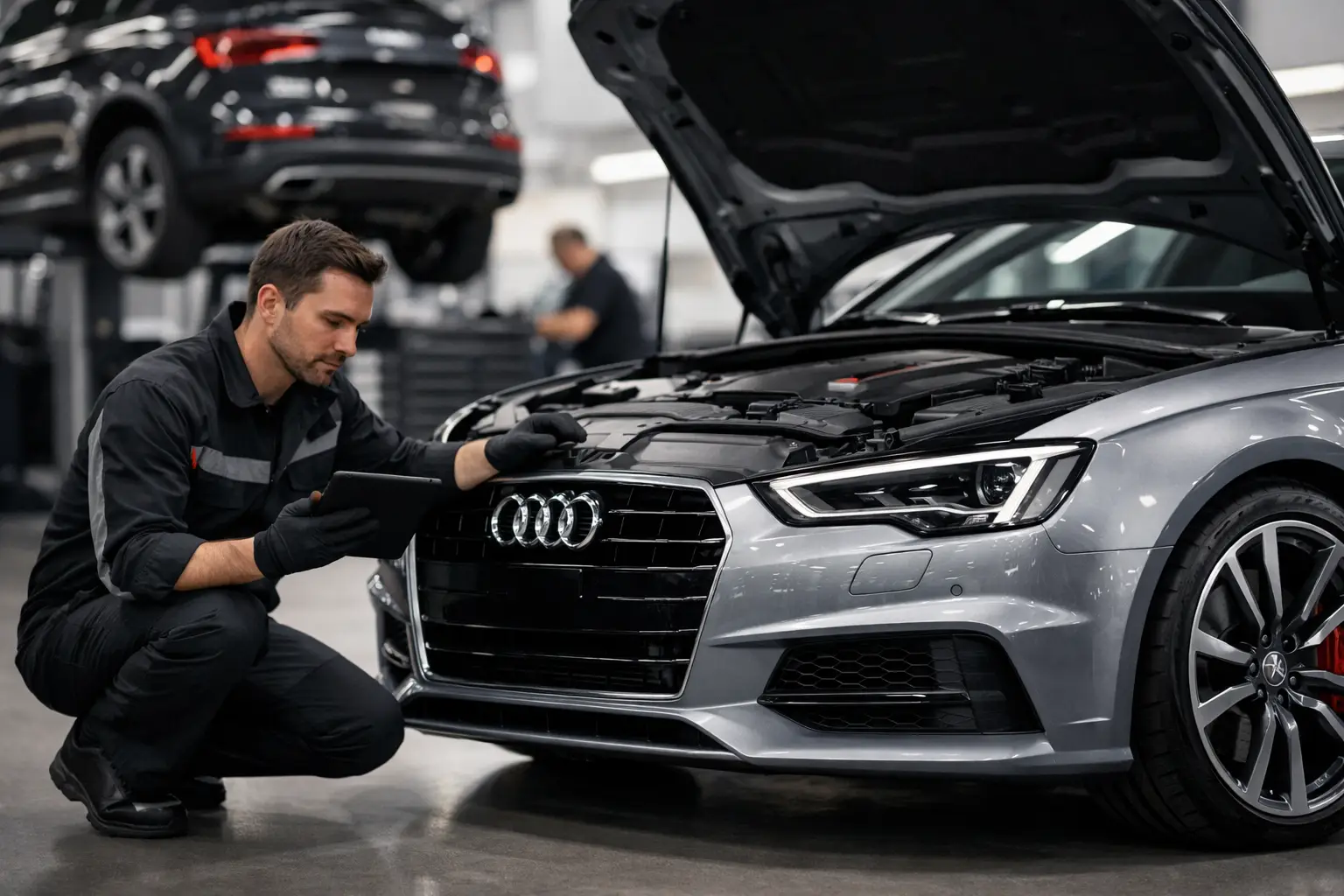
A warning light, rough running issue, gearbox hesitation or four-wheel-drive fault can have several possible causes. Good diagnostics are not just about plugging in a scan tool and reading codes. They involve understanding live data, system behaviour, known model issues and the order in which tests should be carried out.
That is where specialist workshops earn their reputation. The right equipment matters, but the interpretation matters more. An experienced VAG technician can often separate the real cause from the secondary symptoms, which reduces unnecessary parts replacement and repeat visits.
For daily drivers, that means less downtime. For enthusiasts, it means your car is not being guessed at when the issue sits in the interaction between software, fuelling, boost control or driveline systems.
Servicing standards matter more than branding
There is a common assumption that dealer servicing is automatically the benchmark. In reality, standards depend on the workshop carrying out the work. A proper independent specialist can service to manufacturer schedules, use OEM or equivalent quality parts and fluids, and keep your car maintained correctly without main dealer pricing.
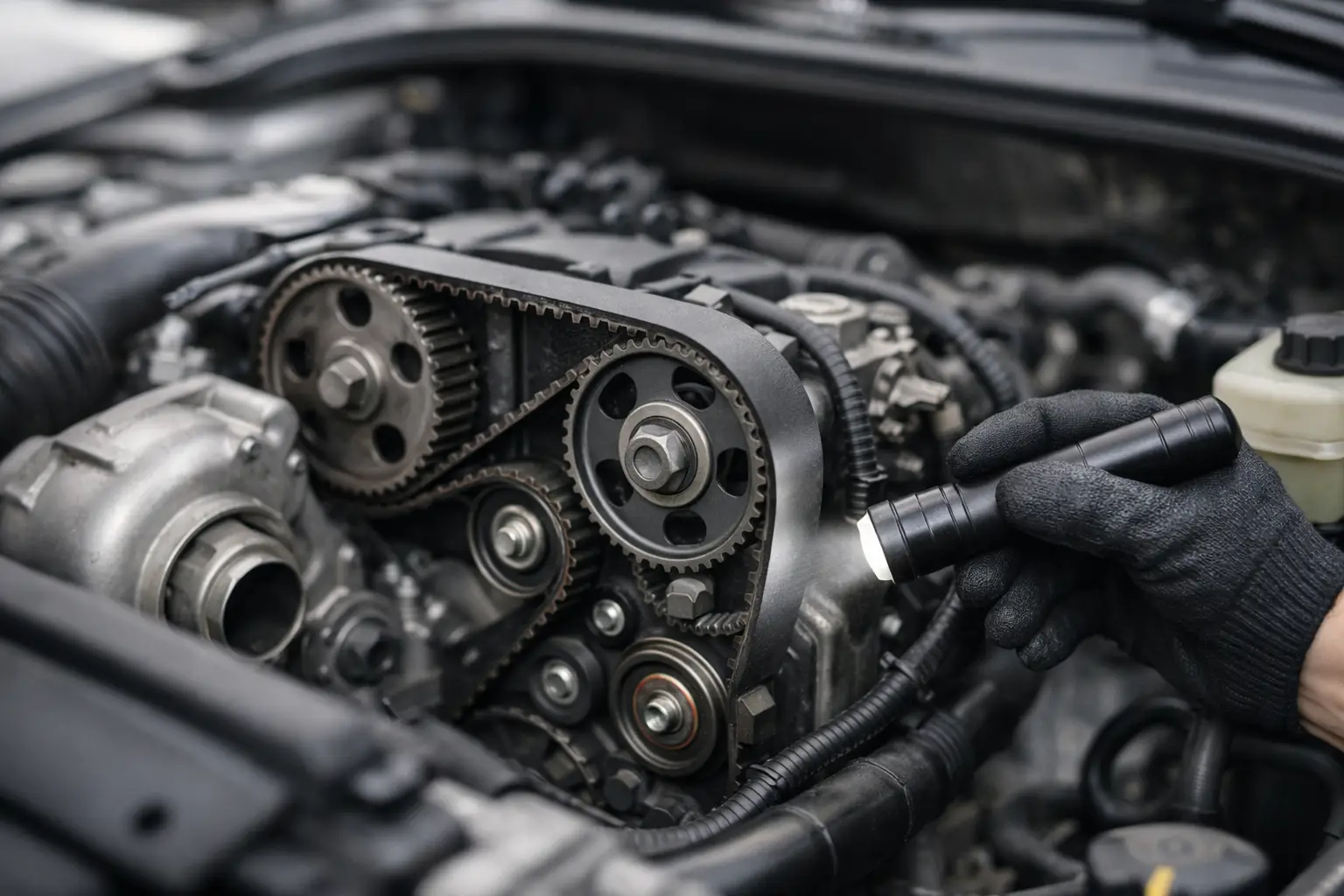
That is particularly important on VAG cars where specific service items are easy to overlook or delay. DSG servicing needs doing on time. Haldex servicing is often misunderstood. Cambelt and water pump replacement intervals matter. Carbon cleaning may become relevant on certain direct injection engines. These are not jobs to leave to general assumptions.
A specialist who works on these systems every day is often better placed to advise what your particular car actually needs based on age, mileage, use and known model behaviour.
Cost matters, but cheap work is expensive work
Independent does not always mean bargain-basement, and it should not. If a workshop is using the right parts, proper fluids, current diagnostic equipment and experienced technicians, there is a cost to doing the job properly.
The better comparison is value rather than headline price. Are you paying for accurate diagnosis? Are the parts suitable? Is the service schedule being followed correctly? Has someone checked the wider condition of the car rather than just completing the invoice line?
For drivers in the Reading, Basingstoke and Newbury area who rely on their car for commuting, school runs or business travel, reliability has value. A workshop that prevents a repeat failure or spots wear before it becomes a breakdown is usually the better financial decision, even if the invoice is not the lowest on paper.
The ownership experience is different too
One of the biggest reasons people move away from the dealer network is not technical. It is personal. They want to deal with a workshop that knows their car, explains the work clearly and treats them like a customer rather than a booking reference.
That is where a strong local specialist has a real advantage. You are more likely to speak to people who understand the work being done, who can tailor recommendations to how you use the car, and who appreciate that being without your vehicle is disruptive. Courtesy cars, realistic timescales and straightforward communication are not extras when you depend on your car every day.
For owners near Aldermaston and Tadley, using a nearby specialist can also make the practical side much easier. Shorter journeys to and from the workshop, less time lost, and a local team you can return to for ongoing care all add up over the life of the car.
So which should you choose?
If your car is very new, under warranty or subject to a manufacturer campaign, a dealer may be the sensible route. If you place a premium on dealer history for short-term resale, that may also influence the decision.
For many owners outside those scenarios, a good VAG specialist is the stronger choice. You get focused brand knowledge, dealer-level diagnostic capability, quality parts, and a more personal service experience, usually at a more sensible cost. That balance is why so many Audi, VW, Škoda and SEAT owners move to specialist care once they want more than just a stamp in a book.
A workshop such as Mechalex appeals for exactly that reason – experienced VAG-focused technicians, modern diagnostic equipment, OEM or equivalent parts standards, and the sort of practical support local drivers actually need.
The best option is not the one with the biggest building. It is the one that can look at your specific car, understand its common issues, maintain it properly and keep it dependable without charging more than the job requires. If you choose on that basis, your car usually tells you quite quickly that you made the right call.