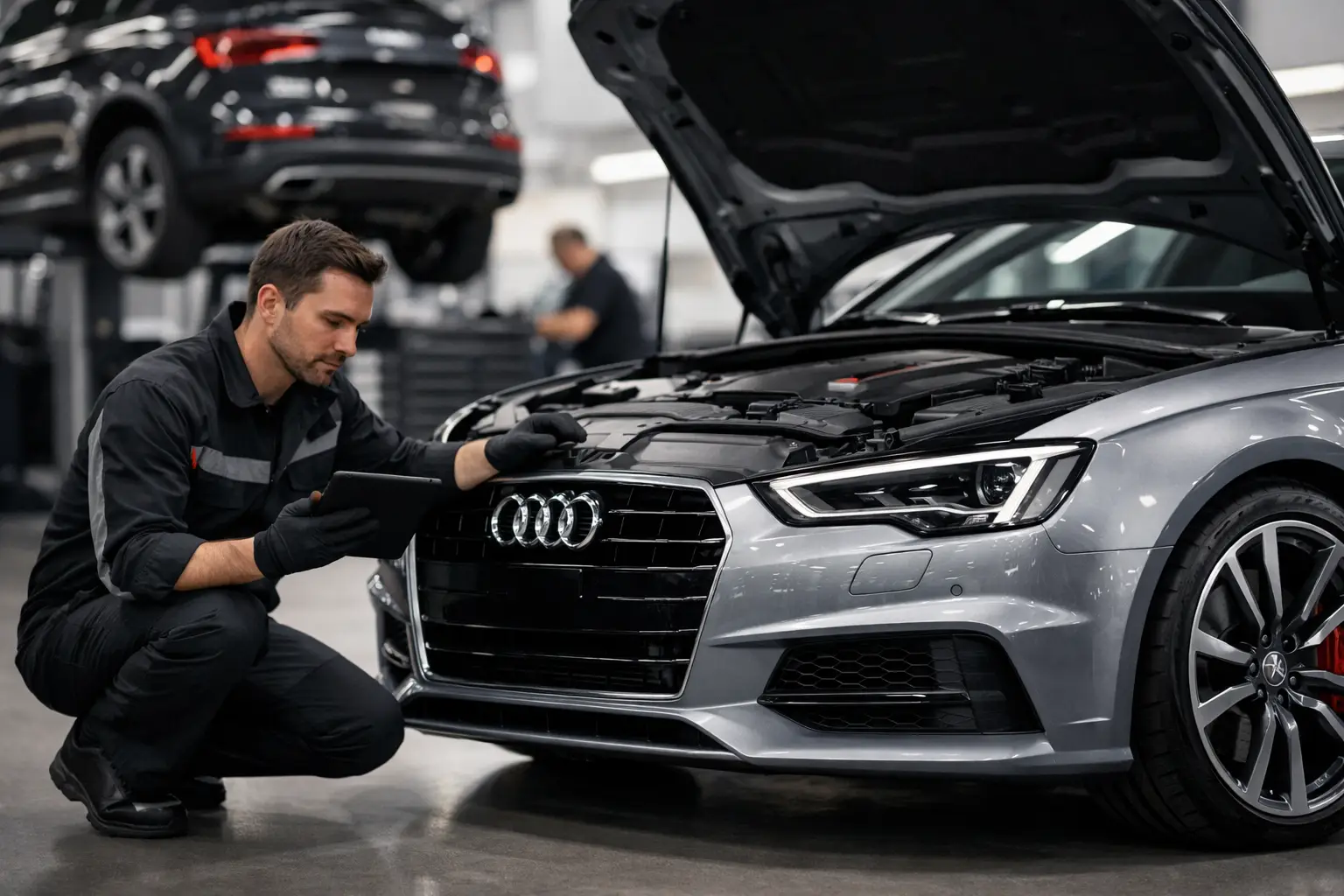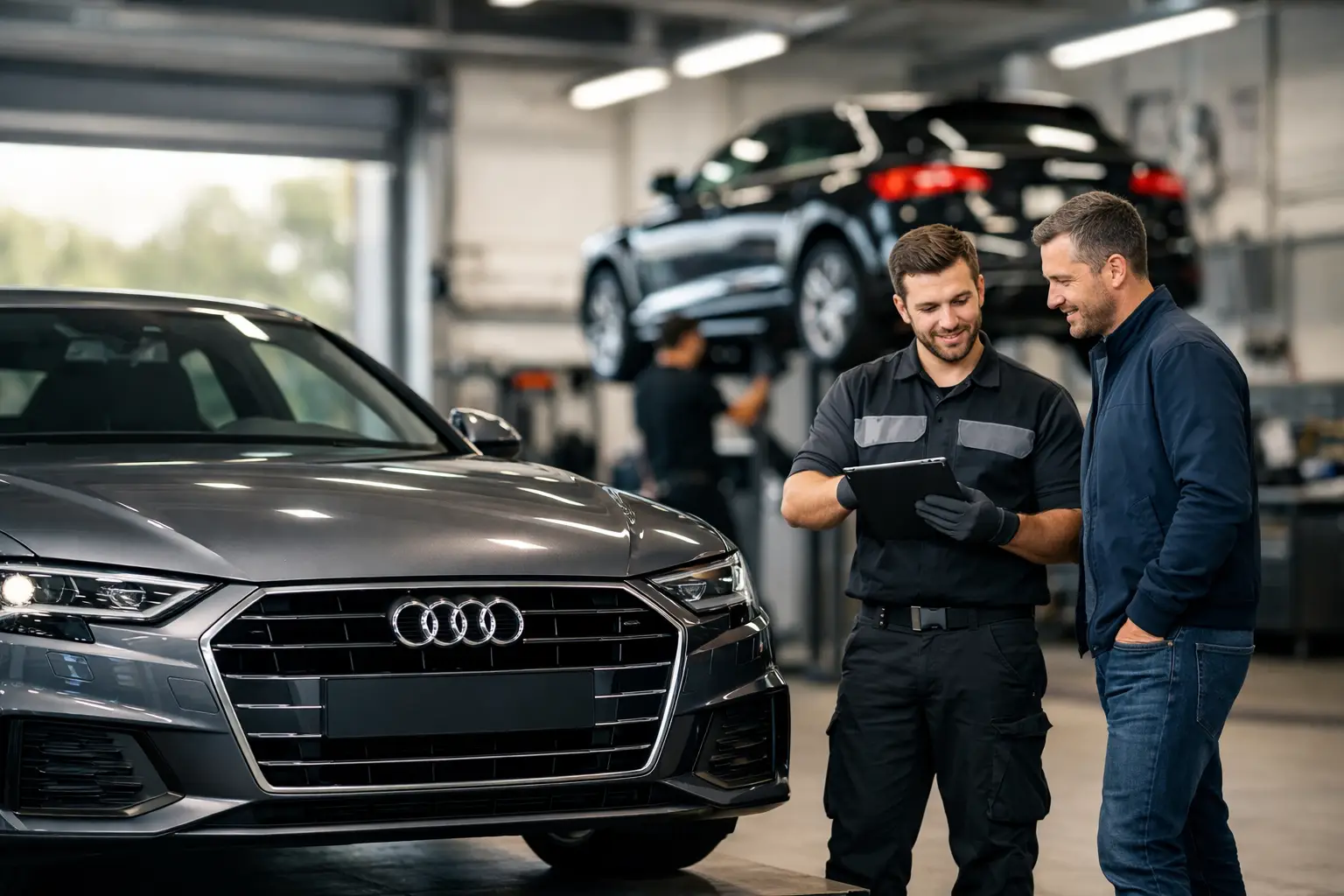
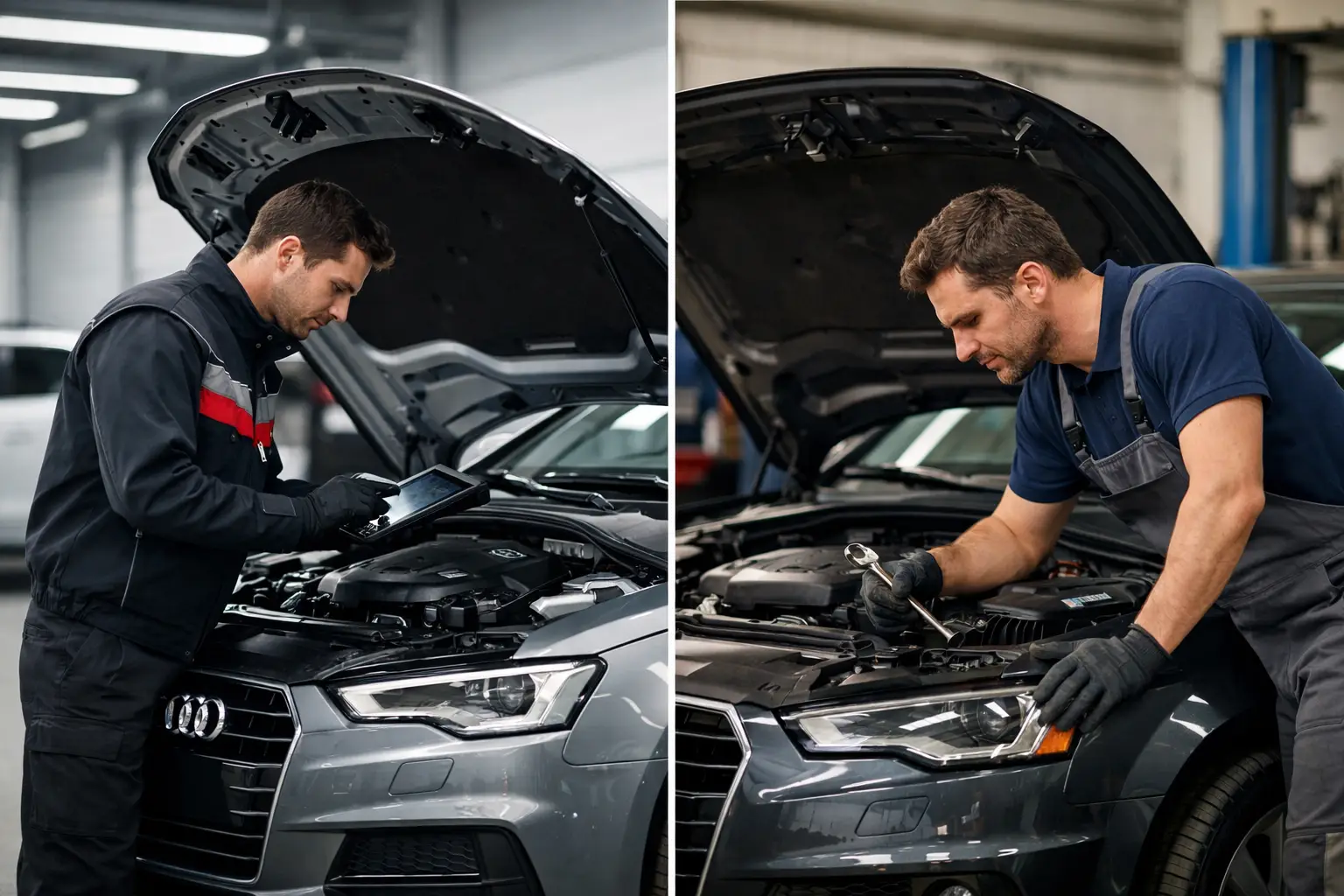
If you have ever collected an Audi from a main dealer after a routine service and winced at the invoice, you have probably asked the same question many local owners do: how does Audi vs independent service quality really compare? For drivers around Aldermaston, Tadley, Basingstoke, Reading and Newbury, the answer is less about badge prestige and more about who is actually working on the car, what equipment they use, and whether the job is done properly the first time.
Audi vs independent service quality – what actually matters?
A stamped service book and a polished showroom do not automatically guarantee better workmanship. Equally, not every independent garage is the same. The real comparison comes down to technician experience, diagnostic capability, parts quality, and whether the workshop understands the common faults and service requirements across Audi models.
That matters more than many owners realise. Modern Audis are packed with complex systems – DSG gearboxes, Haldex four-wheel drive, turbocharged engines, electronic parking brakes, driver assistance systems and increasingly intricate fault networks. A workshop needs the right training and the right tools, but it also needs pattern recognition. Knowing what usually fails, what tends to get missed, and what should be checked while the car is already apart is where true service quality shows.
Main dealer strengths and where they fall short
There are good reasons some owners stay with Audi dealers. Main dealers follow manufacturer schedules closely, have direct brand systems, and can feel like the safe option, especially for newer cars. If your Audi is under warranty, there may also be situations where dealer involvement is sensible, particularly for manufacturer goodwill or software campaigns.
The weak point is that dealer quality is not always as consistent as people expect. The standard process can be efficient, but also rigid. Your car may be worked on by a technician with less hands-on experience of older or higher-mileage examples than you would hope. Communication can be filtered through service advisors rather than the person diagnosing the fault. And while the invoice usually reflects dealer overheads, the service itself is not always more thorough.
For many drivers, that is the frustration. You pay a premium, but still leave with unanswered questions about a warning light, a hesitant DSG shift, or a noise that was labelled normal without much investigation.
Where a VAG specialist independent often comes out ahead
An independent workshop specialising in Audi and the wider VAG range can often offer stronger real-world service quality because the work is more focused. That specialism matters. A technician who spends every day on Audi, Volkswagen, Škoda and SEAT vehicles builds familiarity with known issues that more general garages and even some dealer teams may not approach with the same depth.
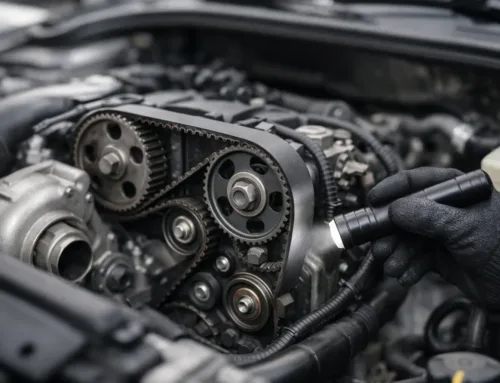
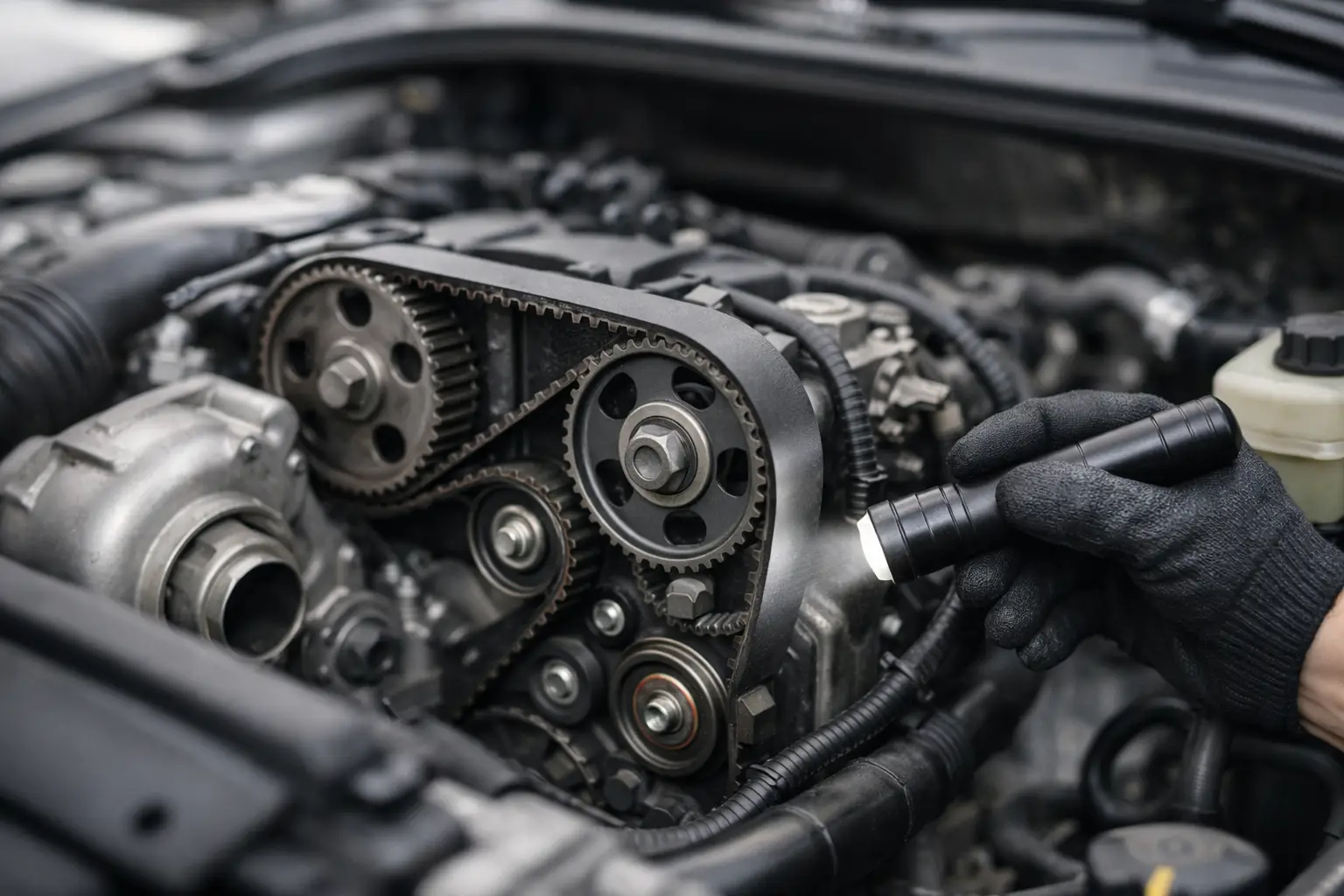
This is especially relevant for jobs owners actively search for, such as where to get an Audi DSG service, Haldex servicing, mechatronic repair, cambelt and water pump replacement, or fault-finding for intermittent electrical issues. These are not box-ticking jobs. They rely on experience, correct procedures, and proper diagnostic equipment.
A good specialist independent should be able to offer:
- dealer-level diagnostic capability
- OEM or equivalent parts quality
- technicians with deep VAG experience
- clearer advice on what needs doing now and what can wait
- better value without cutting corners
That mix is why many local owners move away from the dealer model once their Audi is out of warranty, and often well before.
Service quality is not just about servicing
One mistake drivers make is judging a garage only on oil changes and annual inspections. Service quality becomes far more obvious when the car develops a specific fault.
A routine service can be performed to an acceptable standard by many workshops. Diagnosing a drivetrain vibration, sorting a mechatronic issue, identifying carbon build-up symptoms, or tracing a recurring engine management light is different. This is where training and specialism separate one workshop from another.
If your Audi has a DSG gearbox, for example, the quality question is not only whether the oil and filter are changed. It is whether the correct fluid is used, the service interval is understood, adaptation issues are recognised, and related signs of wear are picked up before they become expensive problems. The same applies to Haldex systems, where neglected servicing can lead to avoidable faults and poor four-wheel-drive performance.
Cost versus value
There is a difference between a cheaper service and better value. The best independent workshops are rarely the absolute cheapest option in the area, and that is usually a good sign. Proper service quality costs money because good technicians, quality parts and modern tooling are not cheap.
The value comes from paying for the work your Audi actually needs, rather than paying dealer pricing for a standardised process. Many owners around Reading and Basingstoke want the reassurance of main dealer standards without the inflated labour rates and unnecessary upselling. That is exactly where a strong independent specialist fits.
You should expect transparency. If a garage cannot explain why a job is needed, what parts standard it uses, or how it has diagnosed a fault, that is not good value at any price.
Convenience matters more than people admit
Quality is not only measured on the ramp. It also shows in how easy the garage is to deal with. For people commuting from Tadley, travelling between Newbury and Reading, or managing family life around Basingstoke, a workshop that understands downtime has a real advantage.
Aldermaston is a practical location for drivers across this part of Berkshire and Hampshire because it avoids some of the inconvenience of heading into larger town centres for every service or fault check. For many Audi owners, that means easier drop-off, less disruption, and a more straightforward conversation with the people actually looking after the car.
Courtesy cars, realistic booking times, and clear updates all form part of service quality. A technically excellent workshop that is impossible to deal with is still falling short.
How to judge an independent properly
If you are comparing options, look beyond generic claims. Ask what brands the workshop specialises in. Ask whether it handles DSG servicing, Haldex servicing, diagnostics and repair work in-house. Ask what level of parts it fits. Ask who will be working on the car and whether they see these faults regularly.
It is also worth paying attention to how a workshop talks about your Audi. A specialist will usually ask better questions. They will want to know the exact symptoms, when they occur, what previous work has been done, and whether the issue is consistent or intermittent. That is often the first sign you are dealing with people who understand the platform.
For local owners looking at Audi servicing, diagnostics, cambelt replacement or specialist gearbox and four-wheel-drive work, the better question is not simply dealer or independent. It is whether the independent is a true VAG specialist with the equipment and experience to match the job.
The warranty question
This comes up often, and understandably. Many drivers assume using an independent means compromising their warranty position. In practice, servicing can often be carried out outside the dealer network without affecting warranty cover, provided the correct procedures, service schedules and appropriate quality parts are used. The important thing is that the work is done to the right standard and documented properly.
That said, there are still cases where a main dealer visit is sensible, such as recall work or manufacturer-specific updates. It does not have to be one or the other forever. Some owners use a dealer when necessary and a specialist independent for ongoing maintenance, diagnostics and repairs. That can be the most practical route.
So which offers better quality?
For many out-of-warranty Audis, a strong independent specialist offers better overall service quality than a main dealer. Not because it has nicer branding, but because it can combine technical depth, platform-specific experience, quality parts and more personal service at a fairer cost.
That is particularly true if your needs go beyond routine servicing. If you want clear answers, careful diagnostics, and confidence that common Audi issues are being recognised early, a VAG specialist usually makes more sense than a one-size-fits-all service department.
For drivers in and around Aldermaston, Tadley, Basingstoke, Reading and Newbury, the best option is often the one that gives you dealer-grade capability without the distance, price tag or impersonal feel. When your Audi is central to work, school runs or weekend plans, service quality is not about appearances – it is about trust, accuracy and getting the car back performing as it should.
If you are weighing up your next service or trying to decide where to get an Audi DSG service, choose the workshop that can explain the why behind the work, not just the price on the estimate.