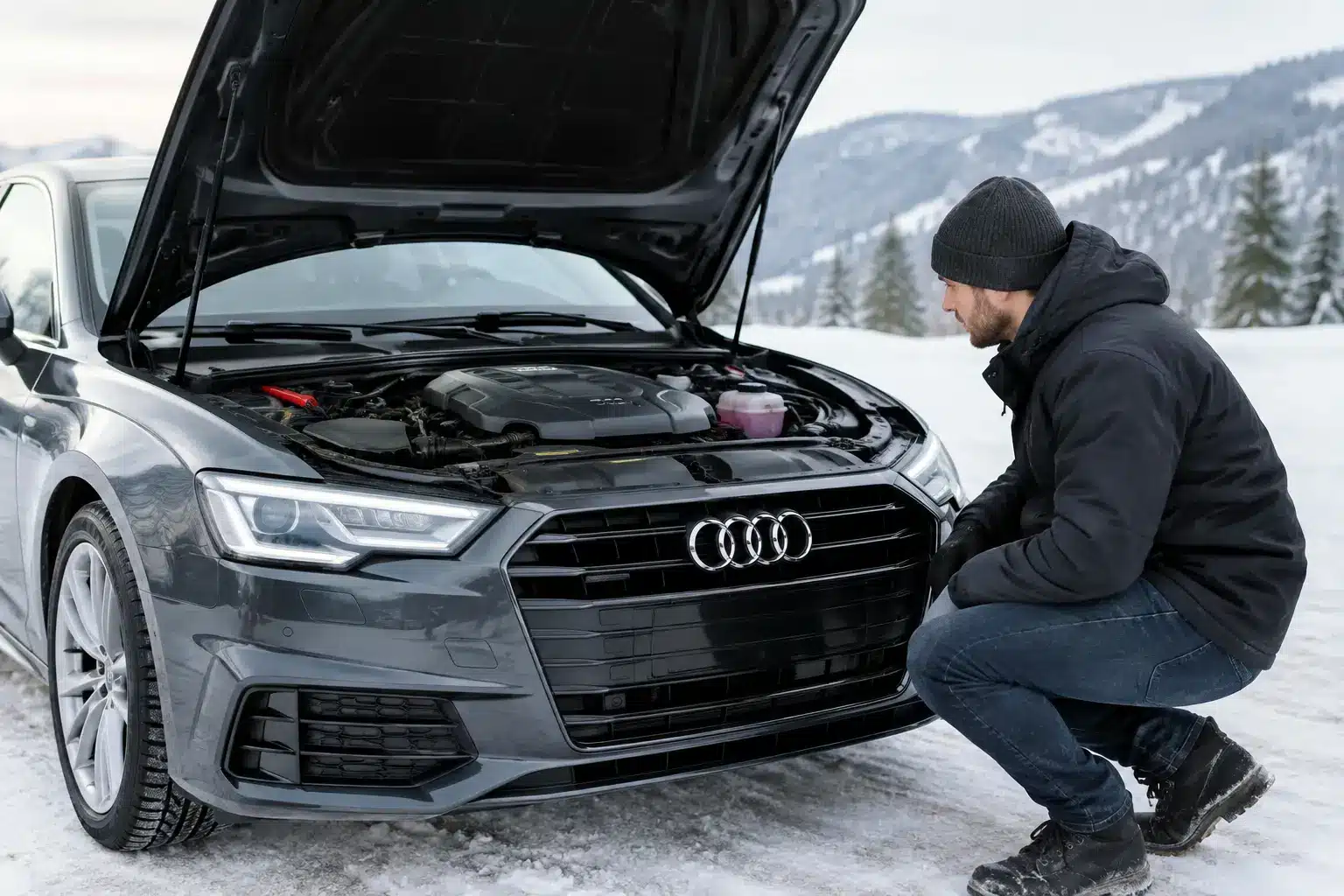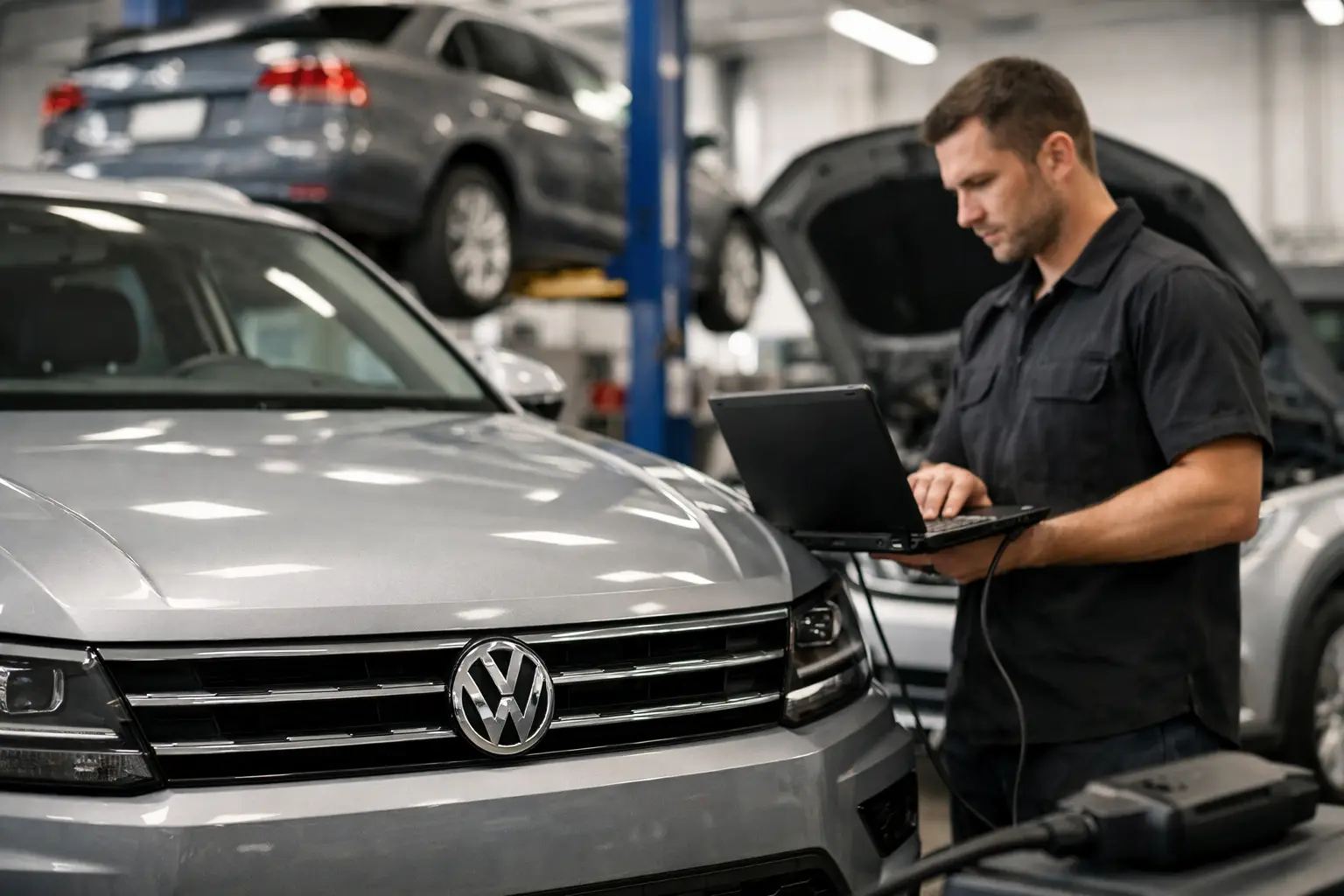
When the engine management light comes on in a Volkswagen, most owners want the same thing – a clear answer, not a vague guess and a growing bill. If you are wondering where to get VW diagnostics, the real question is who has the right equipment, the right experience and the right understanding of Volkswagen systems to find the fault properly the first time.
For many drivers, that rules out a lot of general garages. A basic code reader can tell you that a fault exists. It often cannot tell you why it happened, whether it is an intermittent wiring issue, a sensor reading out of range, a software problem, or a mechanical fault showing up as an electrical symptom. On modern VW models, proper diagnostics is not just plugging in a machine and reading a code.
Where to get VW diagnostics – your main options
You usually have three routes. You can go to a Volkswagen main dealer, a local general garage, or an independent VAG specialist.
A main dealer will normally have brand-specific equipment and access to manufacturer procedures. That can be useful, especially for very new vehicles, software-related issues or recall-linked concerns. The downside is usually cost, and sometimes a less personal process. For owners of cars outside warranty, the dealer is not always the most sensible value.
A general garage may be convenient if it is round the corner and the issue is straightforward. If your car needs a simple battery registration, a basic scan, or an obvious repair, a good independent garage can still help. The trade-off is that many general workshops see every make under the sun, so they may not know the common VW platform faults or the patterns behind recurring issues.
That leaves the VAG specialist. For many Volkswagen owners, this is the sweet spot – dealer-level diagnostic capability without dealer pricing, and technicians who spend their time working on VW, Audi, Škoda and SEAT vehicles rather than switching between unrelated brands all day.
Why VW diagnostics needs specialist knowledge
Volkswagen vehicles are well engineered, but they are not simple. Faults often overlap across systems. A drivability complaint might involve boost control, intake leaks, fuelling, ignition, carbon build-up, software adaptation values or a transmission issue affecting how the car behaves on the road.
This is why proper fault-finding matters. The diagnostic tool is only part of the job. The technician still needs to interpret live data, compare readings against expected values, carry out guided tests and understand how common VAG faults present in the real world.
Take a DSG concern as an example. Juddering, delayed engagement or warning messages might point to anything from fluid condition and service history to mechatronic faults or clutch wear. A generic scan is unlikely to give the full picture. The same goes for Haldex systems, ABS faults, intermittent electrical problems and emissions-related warnings.
If you own a Golf, Passat, Polo, Tiguan, Transporter or another VW model, choosing a workshop that regularly sees those cars gives you a much better chance of getting an accurate diagnosis rather than paying for parts that do not fix the problem.
What good VW diagnostics should include
If you are deciding where to get VW diagnostics, it helps to know what a proper diagnostic appointment looks like.
First, there should be a conversation about the symptoms. When does the fault happen? Cold start, motorway speeds, stop-start traffic, under load, during gear changes? Good diagnosis starts before any tools come out.
Then there is the electronic side. That means a full system scan, not just engine fault codes. On a modern Volkswagen, relevant information may sit in multiple control units. The workshop should be able to read manufacturer-level data, not just generic OBD information.
After that comes testing. That may include live data analysis, physical inspection, wiring checks, smoke testing, battery and charging system checks, road testing or guided fault routines. In some cases, the first stage confirms the area of the problem but further strip-down or deeper testing is needed before repair is authorised.
That matters because honest diagnostics sometimes means saying, “We know what system is affected, but we need another step to confirm the failed component.” That is far better than guessing.
Where to get VW diagnostics in the Aldermaston area
If you are based in Aldermaston, Tadley, Basingstoke, Reading or Newbury, convenience matters almost as much as capability. There is no point choosing a workshop that understands Volkswagens if dropping the car off becomes a day-long headache.
A VAG specialist based around Aldermaston can make a lot of sense for local drivers because it is accessible from several directions without the hassle of travelling deep into a town centre or paying main dealer rates for routine fault-finding. For commuters and families who rely on the car daily, that local access can be the difference between dealing with a warning light promptly and putting it off until the fault becomes worse.
This is where an independent workshop with modern diagnostic equipment, experienced VAG technicians and practical support such as courtesy cars becomes especially useful. You get specialist fault-finding close to home, without the formality and pricing structure many owners associate with dealer visits.
Dealer, local garage or VAG specialist – which is best?
It depends on the age of the car, the type of fault and what you want from the experience.
If your VW is still under manufacturer warranty and the issue may involve a warranty claim, the dealer may be the right first step. If the car is older and the fault needs proper investigation without paying dealer labour rates, a VAG specialist is often the better fit.
If the issue is very minor and your trusted local garage has the right equipment and experience, that can work too. But if the problem involves DSG behaviour, AdBlue warnings, engine management faults, intermittent electrical issues, Haldex problems or recurring warning lights, specialist knowledge is usually worth paying for.
The cheapest diagnostic check is not always the cheapest outcome. Paying less for a basic scan can lead to unnecessary parts replacement, repeat visits and more downtime. Paying for accurate diagnosis up front often saves money overall.
Signs you should book VW diagnostics soon
Some faults are obvious. Others creep in gradually. If your Volkswagen has a warning light on the dash, reduced power, poor fuel economy, rough running, gearbox hesitation, starting issues or unexplained noises tied to specific driving conditions, it is time to get it checked.
You should also book diagnostics if another garage has already replaced parts and the fault keeps returning. Repeated coil packs, sensors or batteries can be a sign that the root cause has not been identified.
Intermittent problems are another reason not to delay. They are often easier to diagnose when they are still happening regularly. Leave them too long and the car may either deteriorate further or stop showing the symptom clearly enough to test efficiently.
What to ask before booking
Before you commit, ask a few sensible questions. Does the workshop regularly work on Volkswagen and other VAG vehicles? Are they using proper diagnostic equipment for these cars? Will the appointment include fault-finding rather than just a code read? And will they explain the results clearly before recommending repairs?
Those answers tell you a lot. A good workshop will be straightforward about what diagnostics can and cannot confirm in one visit. It will also be clear on the difference between identifying a fault code and completing full diagnostic testing.
For local owners asking where to get VW diagnostics, that transparency is often what separates a proper specialist from a garage offering a quick scan as an add-on service.
The best choice for most VW owners
For most out-of-warranty Volkswagen owners, the best place to go is a specialist independent workshop that knows VAG vehicles inside out, has up-to-date diagnostic equipment and takes a methodical approach to fault-finding.
That gives you the balance most drivers want – technical ability, sensible pricing and a more personal service. It is particularly relevant if you are in or around Aldermaston, Tadley, Basingstoke, Reading or Newbury and want dealer-standard diagnosis without travelling far or paying more than you need to.
A warning light does not always mean a major repair, but it does mean the car is asking for attention. Getting the right diagnosis early usually leads to a simpler, cheaper fix and a lot less frustration later on.