A water pump rarely fails at a convenient time. More often, it starts with a small coolant smell on the drive, a temperature gauge behaving oddly on the school run, or a quiet whine that was not there last week. If you are looking up the signs of failing water pump, the key thing to know is this – catching the problem early can be the difference between a straightforward repair and a much bigger engine bill.
On Audi, Volkswagen, Škoda and SEAT models, cooling system faults can be easy to misread at first. A thermostat issue, coolant housing leak or sensor fault can mimic some of the same symptoms. That is why proper diagnosis matters, especially on modern VAG engines where components are tightly packaged and one failure can affect several others.
What does the water pump actually do?
The water pump circulates coolant through the engine and radiator to keep temperatures under control. Without it, heat builds quickly. That puts the head gasket, turbocharger, thermostat housing and the engine itself at risk.
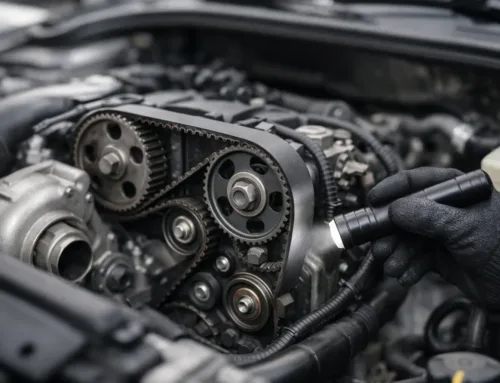
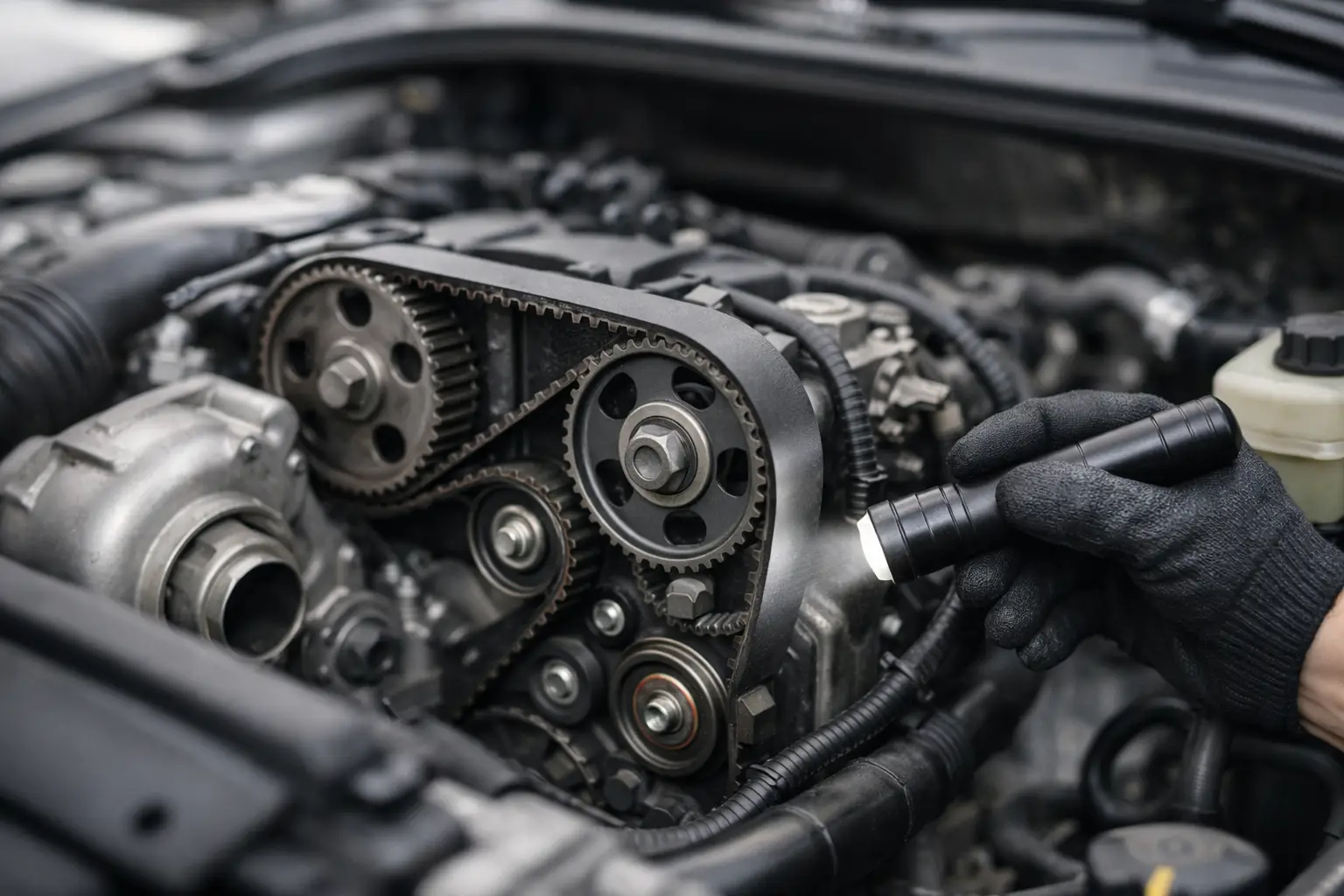
On some vehicles, the pump is driven by the cambelt. On others, it may be electrically controlled or integrated into a larger housing. The exact design depends on the engine, which is one reason a generic guess is rarely the best approach. What looks like a simple coolant leak on one model may point to a more involved repair on another.
Signs of failing water pump you should not ignore
Some symptoms are obvious, others are subtle. In the early stages, a failing pump might only leak slightly when the engine is cold, or make noise intermittently. Later on, it can lead to sudden overheating.
1. Coolant leaking from the front of the engine
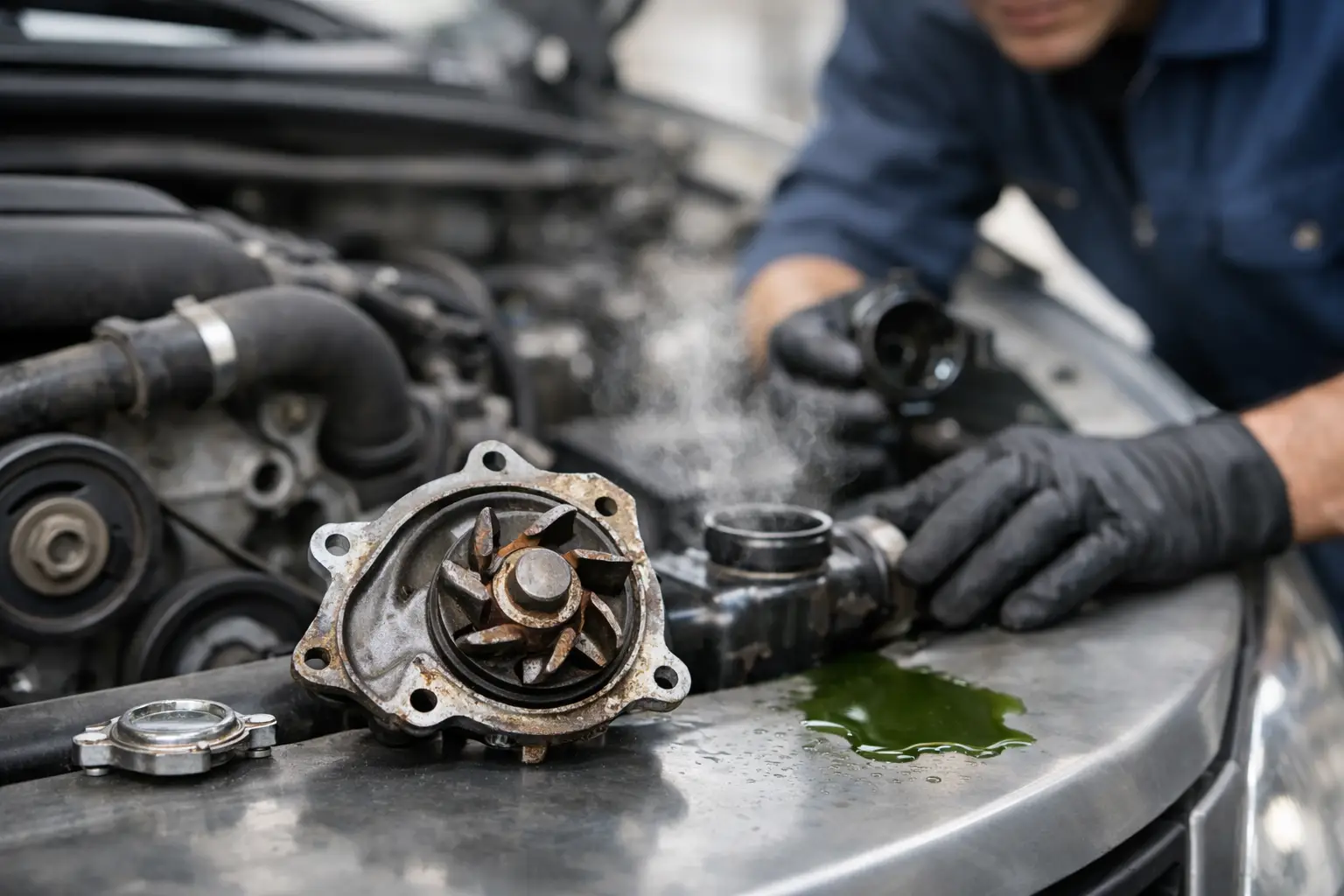
One of the most common signs is visible coolant loss around the water pump area. You may notice pink, purple or orange staining under the bonnet, depending on the coolant used, or small puddles under the front of the car after parking.
A failing pump can leak from the shaft seal, gasket or housing. Sometimes the leak is steady. Sometimes it only appears once pressure builds in the system. Either way, if coolant is escaping, the system cannot do its job properly.
It is worth saying that not every coolant leak means the pump is at fault. Expansion bottles, radiators, hose joints and thermostat housings also fail. The right repair starts with finding the actual source, not replacing parts on a hunch.
2. Engine temperature running higher than normal
If the water pump is not circulating coolant as it should, the engine can start running hot. On some cars, the temperature gauge may creep upward in traffic and recover at speed. On others, you may get a warning light or a dashboard message with little notice.
This is where drivers can get caught out. An overheating issue may seem minor if it settles down after a few minutes, but that does not mean the problem has gone away. Repeated overheating can warp components and turn a manageable repair into a major one.
If your car shows any sign of overheating, stop driving it until it has been checked properly. Continuing to drive a hot engine is never worth the risk.
3. A whining, grinding or chirping noise
A worn water pump bearing can produce a noticeable noise from the engine bay. It may sound like a whine, rumble or chirp, and it often changes with engine speed.
This happens because the pump shaft and bearing wear over time. Once that wear starts, the pulley can run out of true and the seal may fail soon after. In some cases, the noise comes before the leak. In others, both appear together.
Accessory belt noises can have several causes, so it is important not to assume. Tensioners, idlers and alternator pulleys can sound similar. A proper inspection will usually separate one from another quite quickly.
4. Low coolant level with no obvious explanation
If you find yourself topping up coolant more than once, there is a reason. Coolant does not simply disappear. A slow water pump leak may evaporate before it leaves a clear puddle, especially if it is landing on hot engine components.
This is a common pattern with early-stage pump failure. The car may still drive normally, there may be no warning lights yet, and the only clue is that the coolant level keeps dropping below where it should be.
That is a good time to get it looked at, rather than waiting for a warning light or overheating event. Small leaks nearly always become bigger ones.
5. Steam or a hot coolant smell after driving
A sweet coolant smell or light steam from under the bonnet can point to coolant escaping onto hot surfaces. If the pump or surrounding seals are leaking, the fluid may burn off before it reaches the ground.
Drivers sometimes notice this after a longer run or when parking up. It can be intermittent at first, which makes it easy to dismiss. It should not be dismissed. If coolant is escaping under pressure, the system is already compromised.
6. Poor cabin heating in colder weather
This one surprises people. If the water pump is not circulating coolant properly, the heater matrix may not receive consistent hot coolant flow. That can leave you with weak or fluctuating cabin heat, especially at idle.
Poor heating is not a water-pump-only symptom. Airlocks, low coolant, thermostat faults and heater matrix issues can all cause it too. But if weak cabin heat appears alongside coolant loss or temperature concerns, the pump should absolutely be considered.
7. Timing belt service due with no record of pump replacement
This is less a symptom and more a warning sign, but it matters. On many VAG engines, the water pump is replaced as part of cambelt service because access overlaps and labour is shared. If the belt has been done but the pump was left in place, you may be on borrowed time.
Not every pump fails early, and not every engine uses the same arrangement, but replacing an ageing pump later often means repeating labour that could have been handled at the same time. That is false economy in most cases.
Why water pump problems matter on VAG cars
Audi, Volkswagen, Škoda and SEAT models are not all the same, but many share engine families and cooling system layouts that workshop specialists see regularly. Some are known for leaks from plastic housings, some for premature pump wear, and some for faults that can be mistaken for a pump when the real issue lies elsewhere.
That is where experience counts. A general symptom like coolant loss can have several possible causes, and changing the wrong part does not save money. It just delays the proper fix. A workshop that sees VAG platforms day in, day out is more likely to identify whether the issue is the pump itself, the thermostat assembly, pipework, sensor readings or a wider cooling system fault.
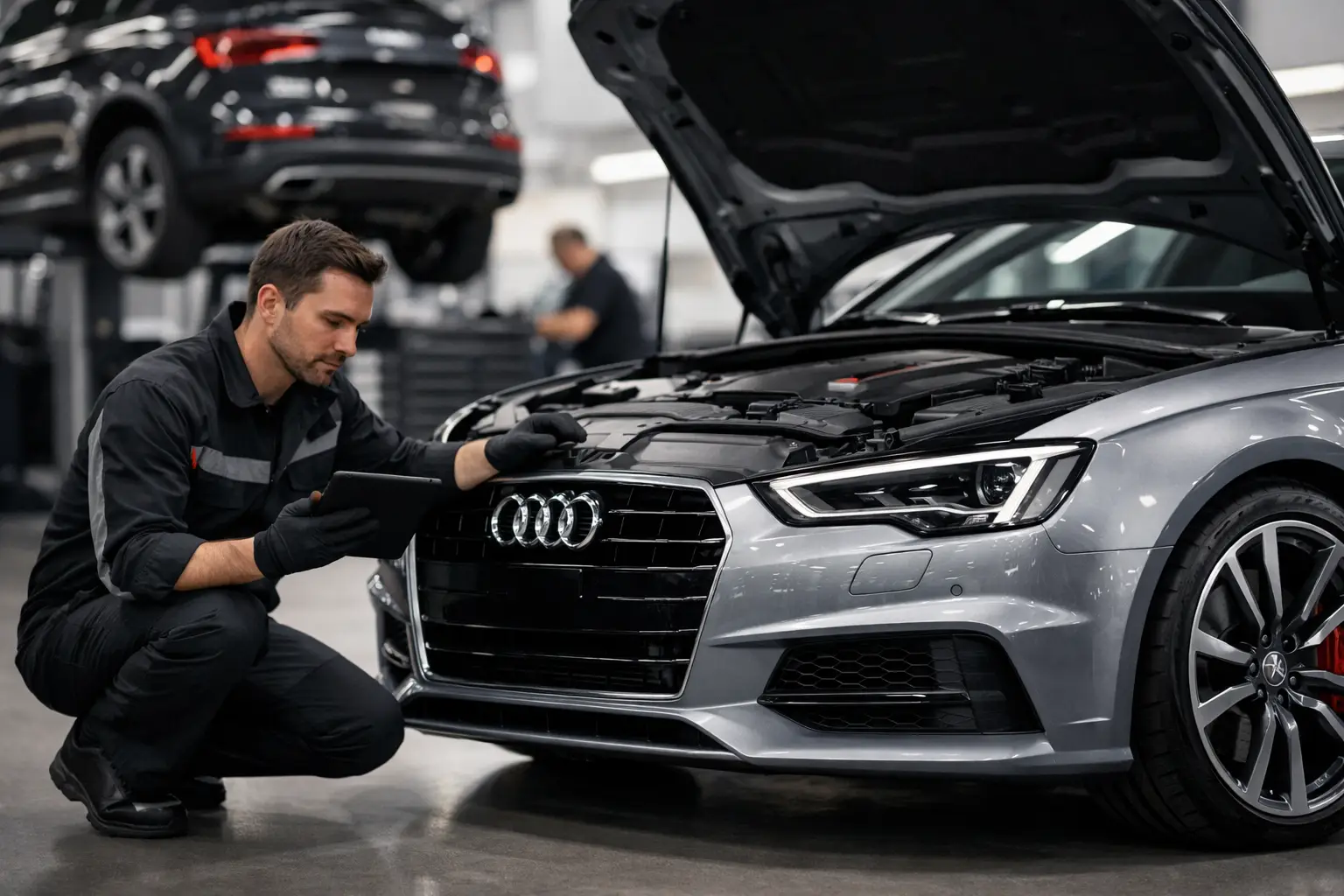
For drivers in Aldermaston, Tadley, Basingstoke, Reading and Newbury, that local specialist approach is often more practical than defaulting to a main dealer. You still want the job done to the right standard, with OEM or equivalent parts and the correct diagnostic process, but without paying more than necessary or losing the car for longer than needed.
What happens if you keep driving?
It depends how far the fault has progressed. A very slight leak may not cause immediate overheating, but it can worsen quickly. A noisy bearing may last days, weeks or longer – or fail without much warning. Once coolant flow is reduced badly enough, engine temperature can spike fast.
The real danger is secondary damage. Overheating can affect the cylinder head, gasket, cooling fans and other components. On some engines, if the pump is tied into the timing system, failure can carry even bigger consequences.
So while a failing water pump does not always mean instant breakdown, it is not a fault to monitor for long. It is one to diagnose and repair properly.
How a proper diagnosis should work
A good inspection should confirm where the leak or fault is coming from, assess coolant condition and level, check for pressure loss, and look at related components in the system. If the pump is belt-driven, the condition and service history of the cambelt setup also matters.
This matters because the right repair is not always just a pump on its own. Depending on the engine and the failure, it may make sense to replace the cambelt kit, tensioners, thermostat or associated seals at the same time. That can cost more upfront, but often saves labour and prevents repeat visits.
For local owners who rely on their car for commuting into Reading or Basingstoke, school runs around Tadley, or regular trips across West Berkshire, convenience matters as much as technical accuracy. A workshop that can diagnose the issue clearly, explain what is necessary and what is optional, and keep downtime manageable is usually the better choice.
If your car is showing any of these signs of failing water pump, the safest move is to get it checked before a small cooling system problem turns into an overheating repair. When the temperature gauge starts sending warnings, your engine is already asking for attention.