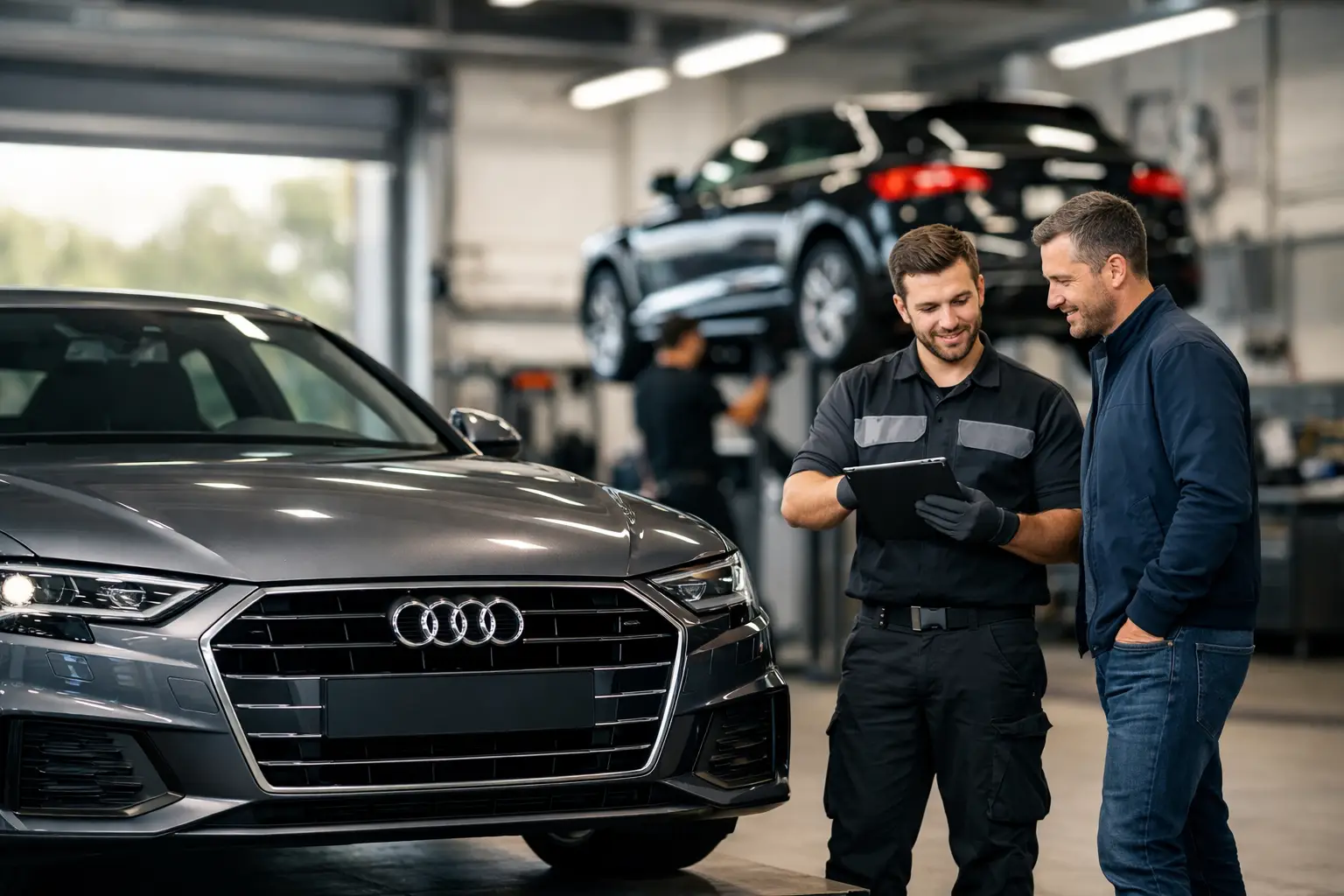

Your Audi has a service reminder showing, your VW needs a DSG service, or your Škoda has developed a warning light. The dealer is not the only option. If you are searching “can I use independent garage warranty”, the short answer is usually yes – provided the service or repair is completed correctly, to the manufacturer’s specification, with suitable parts and a proper record of the work.
That final point matters. A warranty does not give a garage a free pass to cut corners, and choosing an independent workshop should not mean accepting lower standards. For VAG owners around Aldermaston, Tadley, Basingstoke, Reading and Newbury, the sensible alternative is a specialist that understands the car, follows the required schedule and can evidence what has been done.
Can I use an independent garage warranty servicing?
For routine servicing, you do not normally have to return to a franchised main dealer simply to keep a manufacturer warranty valid. UK competition rules are designed to give motorists a genuine choice of repairer. A manufacturer should not reject a valid warranty claim solely because routine maintenance was carried out by a reputable independent garage.
However, there are conditions. The independent garage must use the correct service information, appropriate fluids and parts, and carry out the work to the required standard. If an engine problem results from the wrong oil being used, for example, the manufacturer may reasonably decline a claim related to that failure. The issue is not that an independent completed the work. It is whether the work caused, or contributed to, the fault.
For a VAG vehicle, that can be particularly relevant. Modern Audi, Volkswagen, Škoda and SEAT models have exact requirements for oil grades, inspection intervals, software-led service procedures and specialist maintenance such as DSG and Haldex servicing. A stamp in a book is not enough if the wrong specification has been used.
What you need to protect your warranty
A well-kept paper trail is your strongest protection if a warranty question arises later. Keep the detailed invoice, not just a payment receipt. It should identify the vehicle registration and mileage, the date, the work carried out, the parts and fluids fitted, and the relevant part numbers or specifications where practical.
The service interval should also be correct for the vehicle. Some VAG cars run on fixed intervals, while others use flexible or variable servicing. Choosing the wrong schedule can lead to missed maintenance, particularly for cars covering high mileages or frequent short journeys. If your vehicle has a digital service record, ask whether the workshop can update it or provide the information needed for it to be recorded accurately.
For warranty-sensitive work, it is sensible to ask a direct question before booking: will this service be completed to the manufacturer’s schedule for my registration and engine code? A competent specialist will be happy to explain what is included and why.
Manufacturer warranty, extended warranty and service plans are different
This is where many drivers get caught out. A new-car manufacturer warranty, a dealer-supplied extended warranty, a third-party warranty policy and a prepaid service plan are not the same thing.
A manufacturer warranty generally covers defects in materials or workmanship, subject to its terms. Routine maintenance can usually be completed by an independent garage, as long as it meets the required standard. An extended warranty may have its own claims process, exclusions and servicing conditions, so read the policy wording before authorising work.
A service plan can be more restrictive. If you have paid a dealer in advance for servicing, using another garage may mean you lose the value of the unused plan, even though it does not automatically invalidate the vehicle warranty. Likewise, a maintenance package, lease agreement or fleet policy may specify where servicing must be arranged. Check the agreement rather than assuming the rules are identical.
There are also jobs that may need dealer involvement. Manufacturer recalls, certain warranty authorisations, software campaigns and goodwill claims are often handled through the dealer network. An independent VAG specialist can diagnose the issue and advise you clearly, but a recall itself is normally completed by the manufacturer’s appointed dealer.
Where to get an Audi DSG service without risking cover
An Audi DSG service is a good example of why specialist knowledge matters more than the sign above the workshop door. The exact gearbox variant, oil specification, filter requirement and service interval vary between models. Some gearboxes need oil and filter replacement at prescribed intervals, while others have different maintenance requirements.
The process also matters. Correct fluid temperature checks, diagnostic procedures and accurate filling levels are not optional details. An incorrect DSG service can create expensive shifting, clutch or mechatronic problems that are far harder to resolve than the original maintenance job.
The same principle applies to Haldex-equipped four-wheel-drive VAG models. Haldex oil servicing, pump checks and contamination-related faults need informed attention. A workshop that handles these systems regularly is better placed to follow the correct procedure, spot early warning signs and explain any additional work before proceeding.
At Mechalex, VAG-focused diagnostics and servicing are supported by more than 30 years of experience, modern equipment and OEM or equivalent parts standards. That combination gives owners a practical main-dealer alternative without treating a specialist service as a generic oil change.
Parts: genuine is not the only acceptable option
You do not always need a part in a manufacturer-branded box to preserve warranty protection. OEM parts, or parts of matching quality that meet the required specification, can be suitable. The key is that the part is right for the vehicle and fitted properly.
For routine items such as filters, spark plugs, brake components and fluids, a good independent garage should be able to explain the quality standard being used. On VAG vehicles, it is especially worth checking oil approvals rather than relying on broad descriptions such as “fully synthetic”. The approval code is what matters.
There is a trade-off here. Genuine parts can sometimes be the best route, particularly for complex electronic, drivetrain or software-sensitive components. In other cases, a high-quality equivalent offers reliable performance and better value. The right choice depends on the vehicle, its age, the repair involved and the warranty terms.
If a warranty claim is rejected
Do not accept a verbal refusal without asking why. Request the reason in writing and ask whether the manufacturer or warranty provider is claiming that independent servicing itself is the problem, or that a specific service omission, incorrect part or poor repair caused the fault.
You can then provide your invoices and maintenance records. If the servicing was completed to the correct schedule and specification, those documents are valuable evidence. If there is a genuine connection between previous work and the failure, the discussion may need to be with the garage that performed that work instead.
This is also why the cheapest quote is not always the best value. Saving a small amount on a service is a false economy if the garage cannot identify the correct specification, provide a detailed invoice or properly diagnose a warning light before replacing parts.
Choosing an independent garage with confidence
For owners commuting between Basingstoke, Reading and Newbury, or relying on a family car in Tadley and Aldermaston, convenience matters as much as technical ability. A courtesy car, clear booking process and honest timescale can make essential maintenance far less disruptive. But the workshop should first be judged on its capability with your exact vehicle.
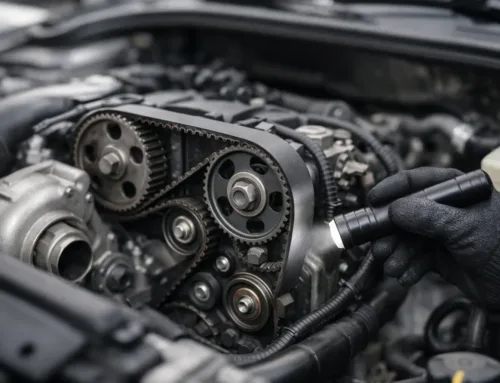
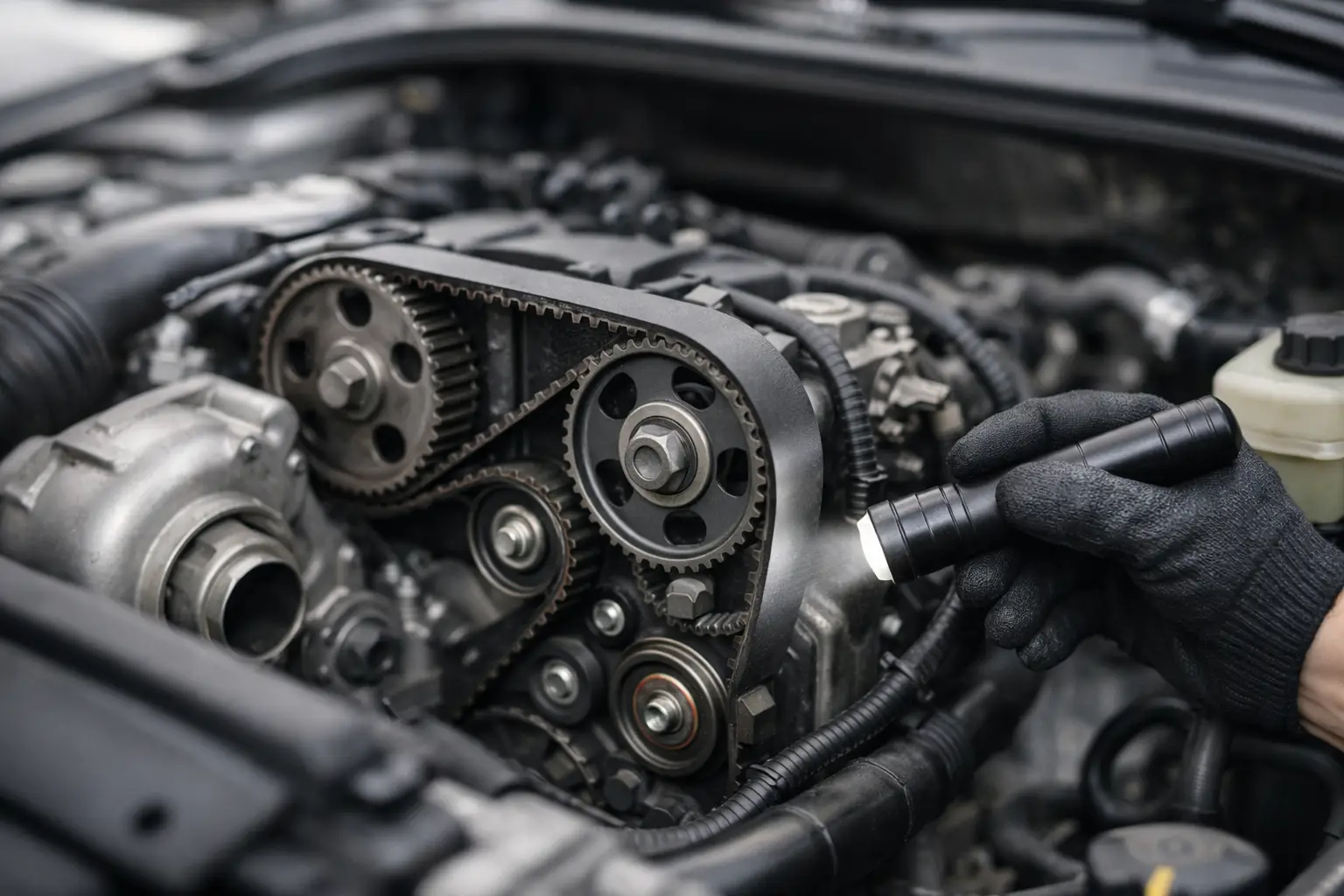
Ask whether it has experience with your Audi, Volkswagen, Škoda or SEAT model, whether it has suitable diagnostic equipment, and whether it can follow the manufacturer maintenance schedule. For specialist jobs, ask about previous DSG, Haldex, cambelt, water pump or mechatronic work. Clear answers are a good sign.
Choosing an independent garage should give you more control, not more uncertainty. Book with a VAG specialist that can explain the work, use the right standards and leave you with the records to prove your vehicle has been properly cared for.