
When your SEAT starts flashing a warning light on the school run, hesitates on a cold start, or develops that faint drivetrain knock you only notice in traffic, you do not want guesswork. You want a SEAT specialist near Reading who already understands the platform, knows the common faults, and can get to the cause quickly without turning a simple repair into an expensive process of elimination.
That matters more with modern SEAT models than many owners realise. On the surface, routine servicing can look much the same from one garage to the next. Oil, filters, brakes and tyres are familiar territory for any workshop. But once you get into DSG gearboxes, electrical faults, intermittent warning lights, cooling system issues, carbon build-up, cambelt intervals or four-wheel-drive systems on performance models, brand knowledge starts to make a real difference.
Why a SEAT specialist near Reading makes sense
SEAT sits within the wider Volkswagen Audi Group, which means many models share engineering, software architecture and component families with Volkswagen, Audi and Škoda. That can be good news for parts availability and technical support, but it also means the best results usually come from a workshop that works with VAG vehicles day in, day out.
A genuine specialist is not just reading fault codes and replacing whatever the screen suggests. Proper diagnosis often means understanding how systems interact, recognising known failure patterns and checking the basics before condemning expensive parts. A misfire, for example, might be ignition related, fuel related, air related or caused by carbon deposits. A gearbox complaint might be software, servicing history, mechatronic behaviour or mechanical wear. The right answer depends on the car, the mileage and the symptoms.
For drivers around Reading, that specialist approach can save both time and money. It reduces repeat visits, avoids unnecessary parts swapping and gives you a clearer picture of what actually needs doing now versus what should be planned for later.
What to expect from a proper SEAT workshop
If you are choosing between a general local garage and a VAG-focused independent, the difference is usually not in the sign above the door. It is in the process, the equipment and the confidence behind the advice.
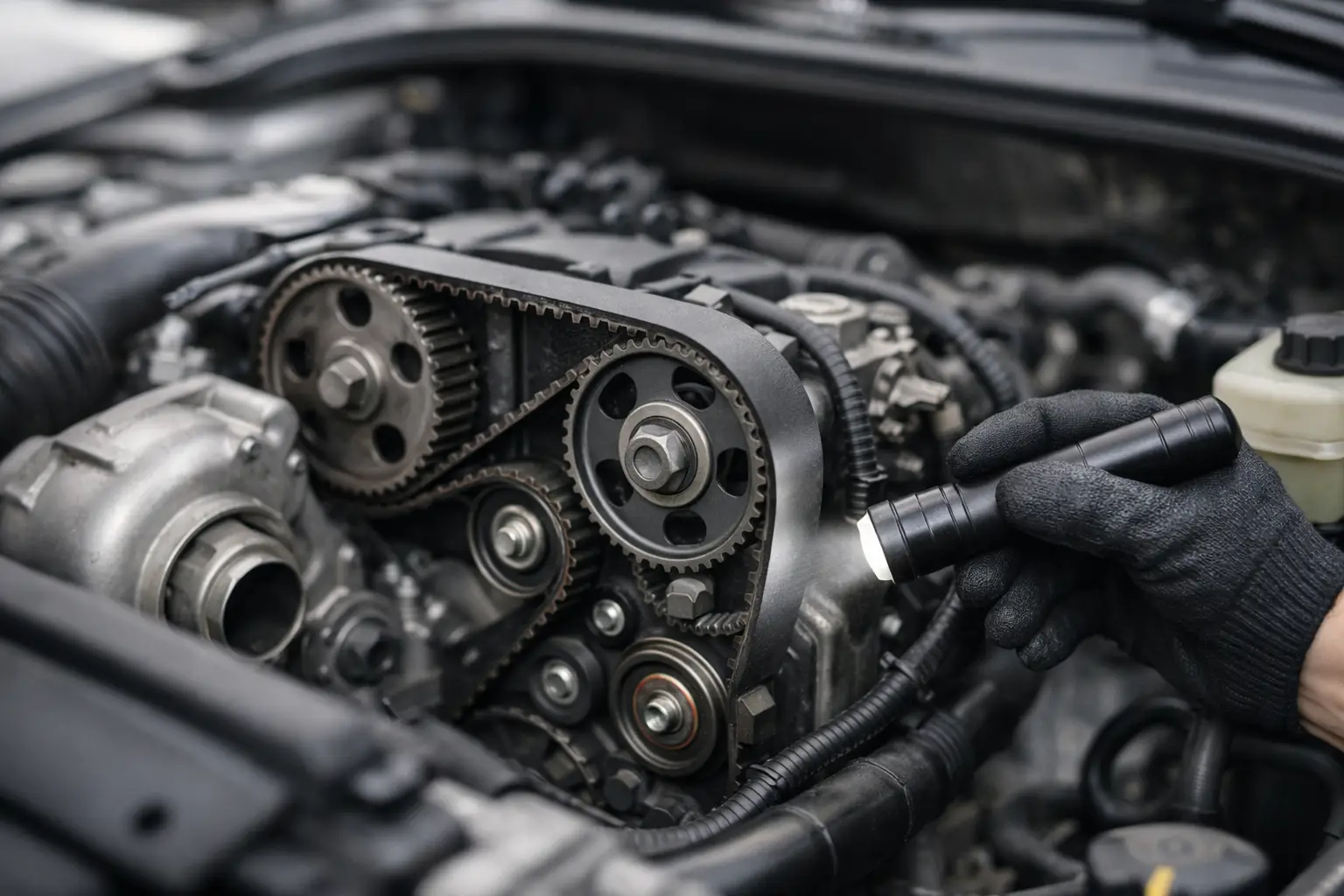
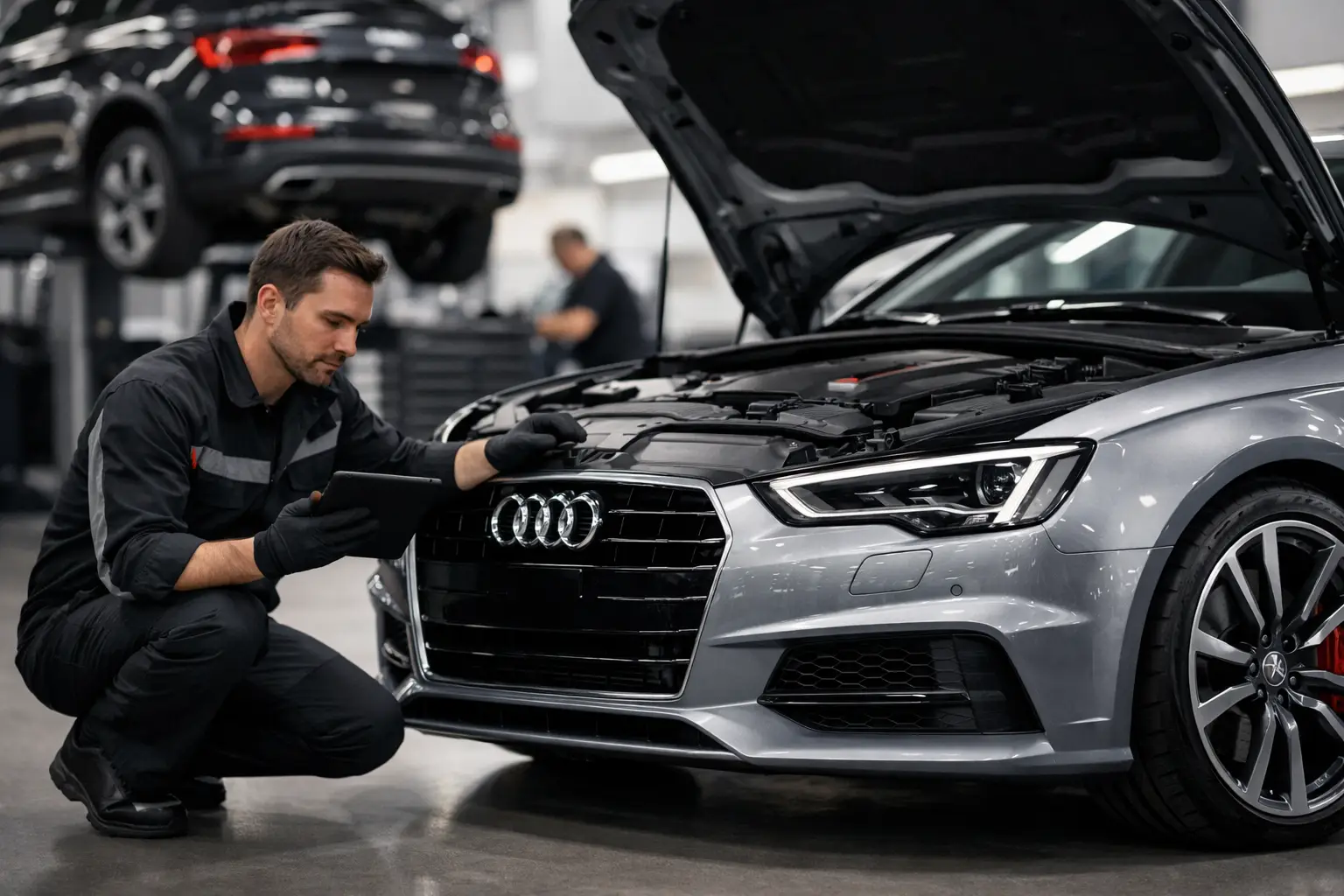
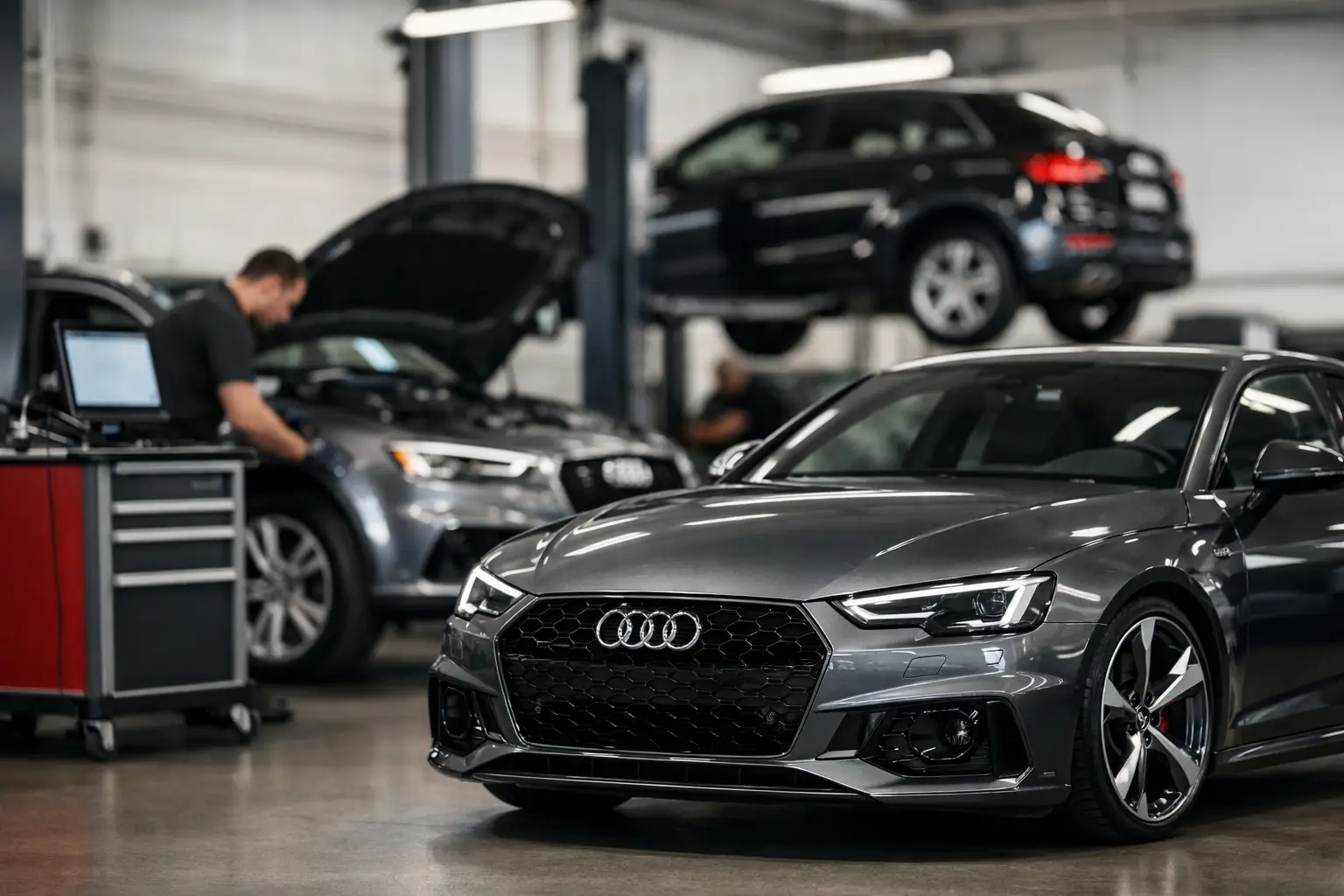
A strong SEAT specialist will have current diagnostic equipment capable of communicating properly with VAG systems, not just reading generic engine fault codes. That matters for deeper fault-finding, service functions, coding, adaptations and model-specific investigation. They should also be familiar with manufacturer service schedules and the jobs that come up repeatedly on these cars as they age.
Just as important is parts quality. Cheap pattern parts can create more problems than they solve, particularly with sensors, ignition components, suspension items and timing system work. Using OEM or equivalent quality parts gives the repair a better chance of lasting and helps preserve the way the car drives.
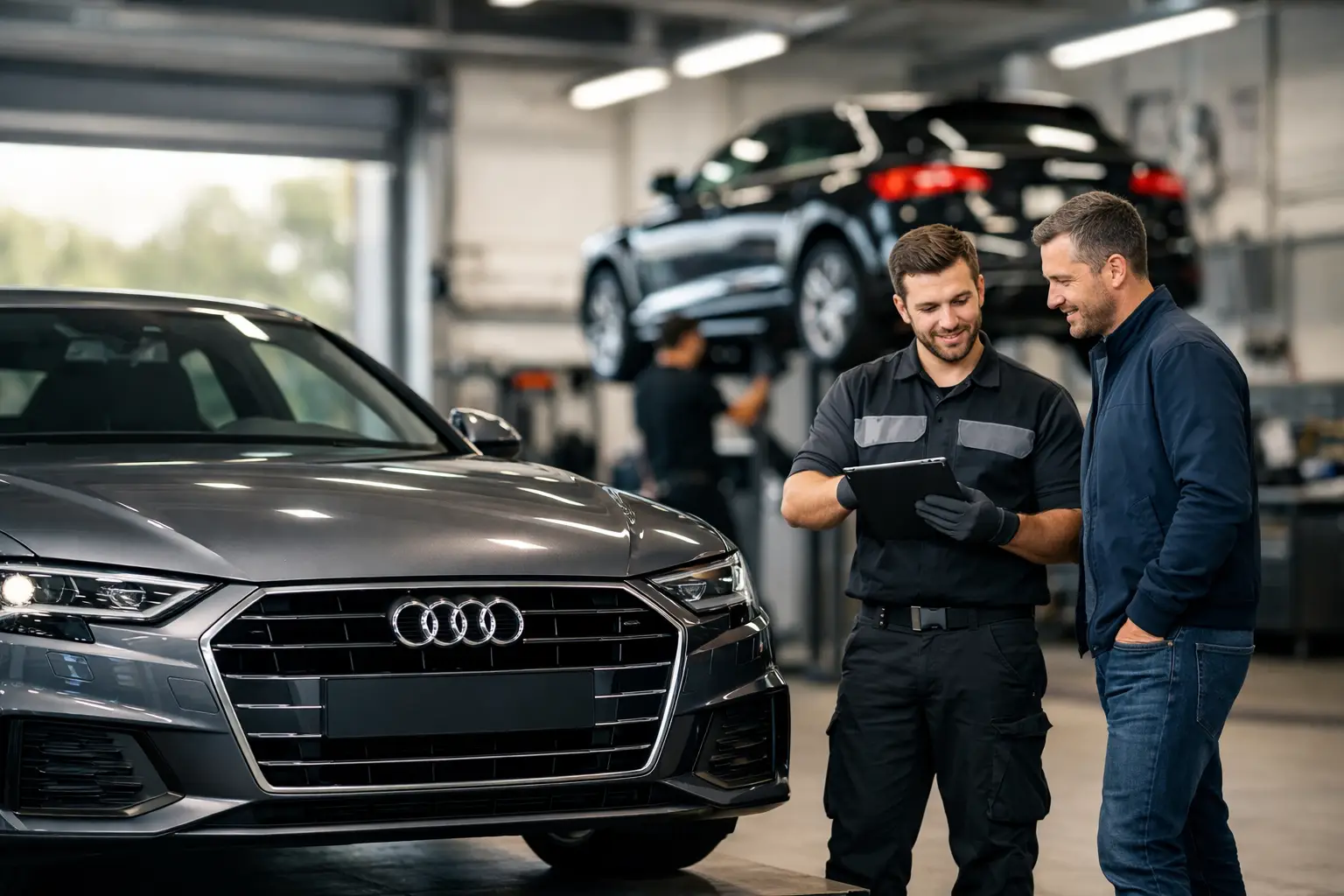
There is also the service experience. Most owners are not looking for jargon. They want a straight explanation, fair pricing and confidence that the work has been done properly. If your car is essential for commuting or family life, practical support like a courtesy car can matter as much as technical expertise.
Servicing a SEAT properly
Routine servicing is where long-term reliability often gets won or lost. Miss intervals, use the wrong specification oil, or cut corners on inspection work and the costs tend to show up later.
For a SEAT, proper servicing is about more than ticking off a basic oil change. It means checking the service history against the car’s age, mileage and engine type, and then applying the right maintenance plan. Some owners benefit from fixed servicing, others from a more tailored approach based on real use. A car doing short local trips in stop-start traffic has different needs from one covering long motorway miles every week.
Brake fluid changes, spark plugs, air filters, cabin filters and coolant checks all matter, but so do the less glamorous details. Fluid condition, tyre wear patterns, suspension wear, battery health and early leaks can all tell a story. Spotting those things early often prevents a bigger bill later.
For owners planning to keep their car, this is where an independent specialist often offers better value than a main dealer. You still get the right standards and informed recommendations, but with a more practical conversation about what is urgent, what can wait and what is worth doing while the vehicle is already in the workshop.
Diagnostics, warning lights and faults that need deeper knowledge
This is usually the point where specialist knowledge pays for itself.
Modern SEATs are packed with control modules and interconnected systems. One fault can trigger symptoms elsewhere, and a warning light does not always point directly to the failed component. Reading the code is only the first step. The real skill is interpreting the data and testing methodically.
A good example is an engine management light with intermittent poor running. It could be a coil pack, injector issue, vacuum leak, intake contamination or sensor fault. Replacing parts based on probability alone can become expensive very quickly. The same applies to ABS warnings, parking sensor issues, battery drain, cooling system faults and DPF-related complaints on diesel models.
A specialist workshop with VAG experience is more likely to recognise repeat issues across the platform and know where to look first. That does not mean every diagnosis is instant. Some faults are genuinely time-consuming. But it does mean the process is grounded in experience rather than trial and error.
DSG, Haldex and mechatronic work
Not every SEAT owner will need this level of work, but when they do, they usually need the right garage rather than the nearest one.
DSG gearboxes need proper servicing at the correct intervals. Ignore that and you increase the risk of poor shift quality, hesitation and premature wear. Some problems are maintenance-related, some are software or adaptation related, and some point to mechatronic faults. The difference matters, because the repair path and cost can vary significantly.
The same goes for Haldex-equipped cars and four-wheel-drive systems. These systems are excellent when maintained properly, but they do not respond well to neglect. Fluid servicing, pump concerns and drivetrain issues all need careful assessment.
For performance-focused SEAT models, or simply higher-mileage examples you want to keep in good health, drivetrain expertise is not a luxury. It is part of keeping the car dependable.
Performance work and carbon cleaning
Some owners want reliability first. Others want the car to feel sharper, smoother and closer to how it should. Often, those goals overlap.
Walnut blasting can be a sensible solution on direct injection engines suffering from carbon build-up, especially where performance, fuel economy or drivability have tailed off. ECU remapping and tuning can also make sense when carried out sensibly and with a clear understanding of the vehicle’s condition. The key is not chasing headline numbers at the expense of longevity.
A proper specialist will be honest about that trade-off. If the car is overdue key maintenance, has an unresolved fault or needs supporting work first, that should be addressed before any performance upgrade is discussed.
How to choose the right SEAT specialist near Reading
Look for evidence, not slogans. Experience with VAG vehicles is a strong start, especially when backed by modern diagnostic capability and the ability to carry out more complex jobs in-house. Ask whether the workshop is comfortable with DSG servicing, cambelt and water pump work, advanced diagnostics and common platform-related repairs. If they are, routine servicing is unlikely to be a problem.
It is also worth paying attention to how they communicate. You should get clear explanations, realistic timescales and practical advice. A trustworthy workshop will not pretend every issue has a simple answer. Sometimes further diagnosis is needed. Sometimes the best route is to monitor a developing issue rather than spend heavily too early. Honest guidance is a good sign.
For many drivers in the wider Reading area, an independent VAG specialist such as Mechalex offers the balance they actually want – dealer-level knowledge and equipment, quality parts, experienced technicians and a more personal, value-led service.
Your SEAT does not need guesswork, and it does not always need dealer pricing either. It needs the right hands, the right tools and a workshop that understands the car well enough to make sensible decisions from the start.