
A warning light before the school run, a DSG that hesitates in traffic, or a service reminder that cannot be ignored all raise the same question: where can you find a Volkswagen specialist near Newbury who knows the car properly without charging main dealer rates? For VW owners, the right workshop should offer more than a standard oil change. It should understand the systems, service schedules and recurring faults that affect Volkswagen vehicles.
Aldermaston is a practical location for drivers coming from Newbury, Tadley, Basingstoke and Reading. It is close enough for routine maintenance, yet equipped for the jobs that need deeper VAG knowledge – from electronic diagnosis and cambelt replacements to DSG and four-wheel-drive servicing.
What a Volkswagen specialist near Newbury should offer
Modern Volkswagens are well engineered, but they are also increasingly complex. A routine service may involve digital service records, condition-based inspection items and electronic resets. When a fault appears, the cause is not always the component named by a generic code reader. It can be a wiring issue, a sensor signal, an actuator problem or a fault elsewhere in the network.
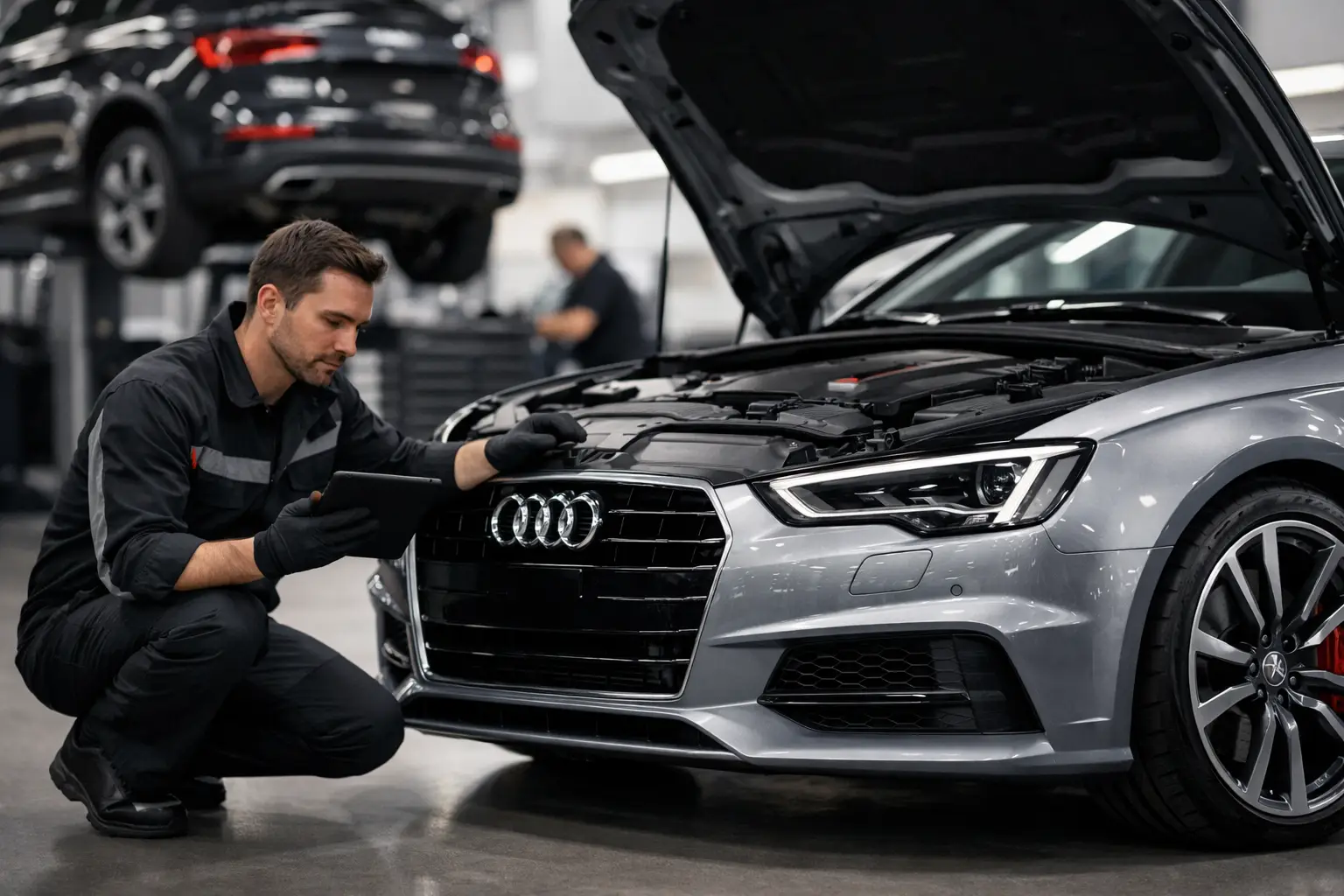
A proper Volkswagen specialist uses VAG-capable diagnostic equipment alongside methodical testing. That means reading fault codes is the start of the process, not the diagnosis itself. The technician should assess live data, check known weak points for the particular engine and gearbox, and confirm the repair before parts are fitted.
There is also a quality question. Cheaper parts can be a false economy, particularly for timing components, filtration, ignition parts and drivetrain fluids. A specialist workshop should use OEM or equivalent-quality parts and the correct specifications for your vehicle, while explaining what is required now and what can reasonably wait.
Dealer-level standards without the dealer cost
Choosing an independent does not mean compromising on maintenance standards. The best independent VAG workshops follow the manufacturer service requirements, use suitable diagnostic systems and have technicians familiar with the Volkswagen Group platforms shared across Volkswagen, Audi, Škoda and SEAT.
The difference is usually in the experience. You can speak to the people working on the car, get straightforward advice about priorities and avoid paying for a larger dealer operation when it adds no value to the repair. For a family Golf, a commuting Passat, a Tiguan used for weekends away or a performance-focused GTI, the aim is the same: keep it reliable and maintain it correctly.
Servicing that matches how your Volkswagen is used
A service should be based on the vehicle’s schedule and its real-world use, not a one-size-fits-all package. A low-mileage Polo doing short local trips has different needs from a high-mileage Golf travelling daily between Newbury and Reading. Short journeys can be harder on oil, batteries and emissions systems, while motorway mileage can expose wear in tyres, brakes and suspension over time.
An experienced workshop will check the service history, mileage, engine type and previous work before recommending the right level of service. They should also flag upcoming items such as spark plugs, brake fluid, pollen filters or cambelt replacement well before they become urgent.
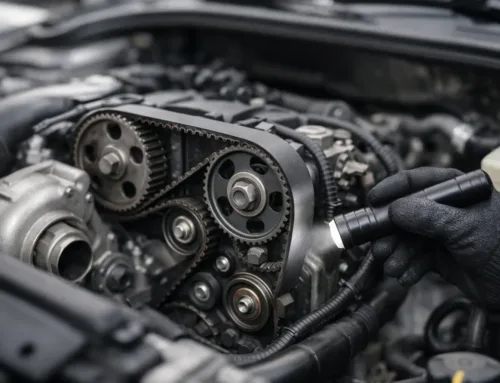
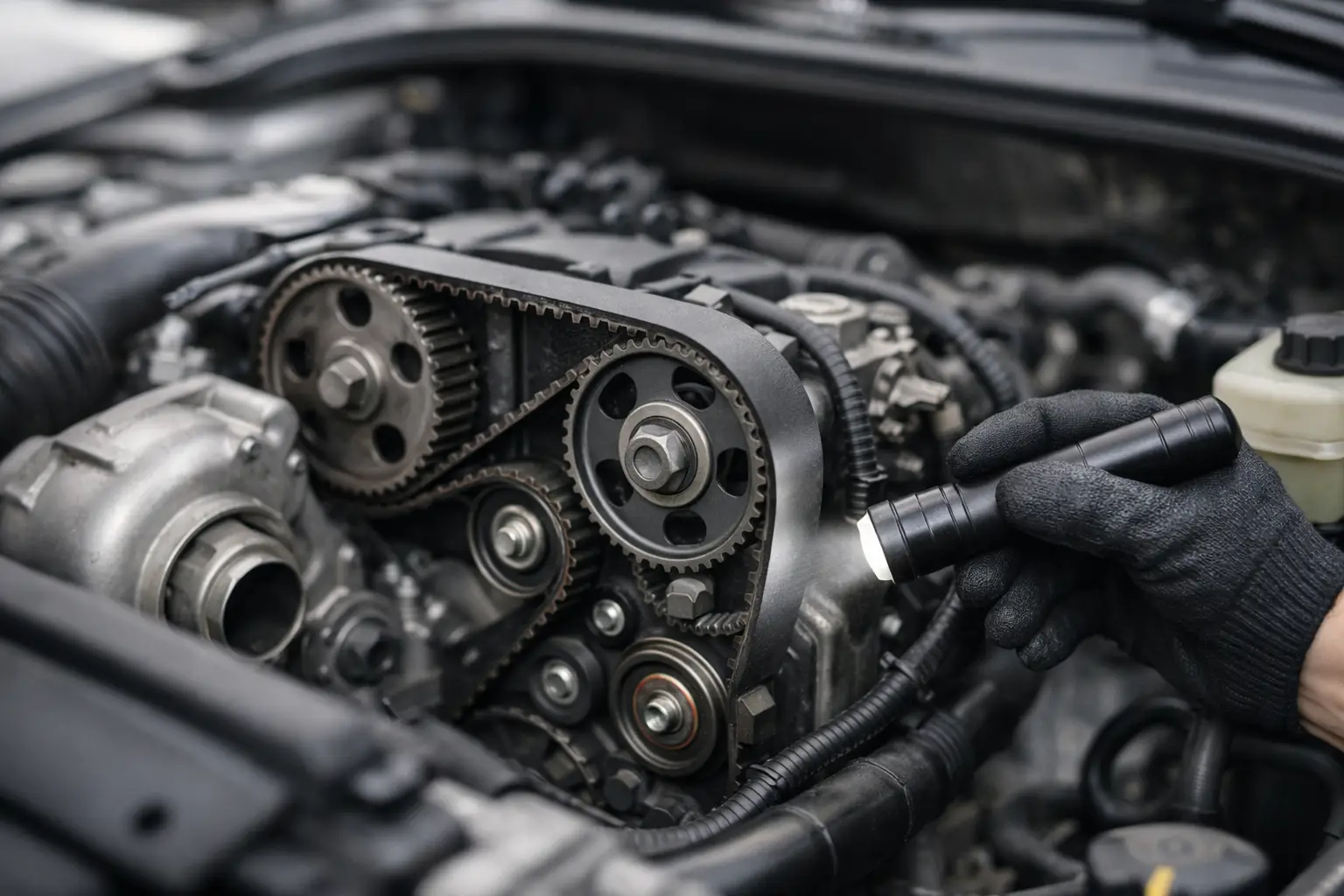
Cambelt and water pump work deserves particular care. The interval varies by engine and age, so assumptions are risky. Replacing the belt with the associated tensioners and, where appropriate, water pump helps prevent an avoidable and expensive engine failure. It is one of those jobs where correct parts, precise timing and a clear record of the work matter far more than finding the lowest headline price.
DSG servicing and gearbox fault finding
Volkswagen’s DSG gearboxes can be excellent to drive, offering quick shifts and good efficiency. They also require the right maintenance and an informed approach when something changes. Delayed engagement, jolting when pulling away, rough shifts, warning messages or a loss of drive should be investigated promptly rather than dismissed as normal behaviour.
Some DSG units need regular oil and filter servicing, while others have different maintenance requirements. The correct schedule depends on the gearbox fitted to the car, not simply its registration year. Using the wrong fluid or an incorrect filling procedure can cause problems, which is why specialist experience is valuable.
Where should you get an Audi DSG service? The same principle applies to Volkswagen, Škoda and SEAT owners: choose a VAG-focused workshop that can identify the gearbox type, follow the correct service procedure and diagnose faults beyond a basic fault-code scan. If the issue relates to the mechatronic unit, sensors, clutch operation or calibration, the repair needs evidence-led testing before major components are recommended.
Haldex, four-wheel drive and drivetrain care
If you own a Volkswagen 4MOTION model, timely Haldex servicing should not be overlooked. The Haldex coupling helps manage power delivery to the rear wheels, but contaminated fluid or a blocked pump can affect its operation. Drivers may not notice a gradual loss of four-wheel-drive performance until conditions are poor or a fault develops.
A specialist can inspect the system, service it with the correct fluid and assess the pump and related components where needed. This is also relevant to owners of Audi quattro, Škoda 4×4 and SEAT models that use related VAG systems.
Drivetrain concerns can be difficult to describe. A vibration under load, a clunk on full lock, a humming noise that rises with speed or uneven tyre wear may point to several possible causes. Wheel bearings, driveshafts, tyres, differential components and suspension all need to be considered. Good diagnosis prevents the frustrating cycle of replacing parts without curing the original complaint.
When a warning light needs specialist diagnostics
Not every dashboard warning requires a major repair, but every warning deserves a proper explanation. Engine management lights, AdBlue and diesel particulate filter warnings, ABS alerts and electronic parking brake faults can have causes ranging from a minor sensor issue to a condition that needs immediate attention.
For diesel Volkswagen owners, repeated short journeys can contribute to DPF-related problems. A forced regeneration is not automatically the right answer. The underlying reason needs checking first – such as a failed sensor, boost leak, temperature issue or an engine fault preventing normal regeneration. Treating the symptom alone can lead to the warning returning.
Carbon build-up is another consideration on some direct-injection petrol engines. Walnut blasting can remove deposits from intake valves where diagnosis confirms they are affecting running quality, response or performance. It is not a blanket maintenance requirement for every engine, but it can be a worthwhile reliability and drivability measure for the right vehicle.
Why local VAG experience matters
For Newbury drivers, using a nearby specialist is as much about convenience as it is technical capability. A workshop in Aldermaston is accessible for booked servicing and repair work without the need to travel into a larger town centre. It also makes practical sense for people based in Tadley, Basingstoke and Reading who want a workshop that understands their vehicle and can keep it in service with minimal disruption.
Courtesy car availability can make a meaningful difference when a repair takes longer than expected, particularly for commuters and households running one main vehicle. Ask about this when booking, as availability will depend on demand and the type of work required.
Mechalex brings more than 30 years of VAG experience to Volkswagen servicing, repairs, diagnostics and performance work. That depth matters when the answer is not obvious, whether the job is routine maintenance or a complex gearbox, engine or drivetrain concern.
Questions to ask before booking
The right workshop will be comfortable answering direct questions. Ask whether the service will follow the correct Volkswagen schedule, what parts quality will be used, and whether they have the equipment to diagnose your specific fault. For DSG, Haldex or cambelt work, ask what is included and whether the relevant fluids, filters, associated components and checks are part of the quoted job.
It is also sensible to ask for clear communication before additional work is carried out. A trustworthy specialist will explain the fault, distinguish urgent safety or reliability work from advisory items, and give you enough information to make a sensible decision.
Your Volkswagen is likely central to work, family life and everyday plans. Choosing a local specialist who has the right tools, experience and standards gives you a better chance of keeping those plans on track – with repairs done properly the first time.