A warning light on a Monday morning usually means one thing – a repair you did not budget for and time you did not want to lose. That is why the benefits of preventative car maintenance matter so much, especially if you rely on your Audi, Volkswagen, Škoda or SEAT for commuting around Aldermaston, Tadley, Basingstoke, Reading or Newbury. Keeping on top of servicing is not about doing work for the sake of it. It is about catching wear early, protecting expensive components and keeping your car dependable.
Why preventative car maintenance saves more than it costs
Most major failures start as something small. A tired water pump, degraded gearbox oil, a weak battery or worn tyres can all seem manageable until they trigger a bigger problem. Preventative maintenance aims to deal with those items before they become breakdowns.
For local drivers, that matters in practical terms. If your car is your daily transport to work, school runs or regular motorway mileage, unexpected downtime is often more expensive than the repair itself. Recovery, missed appointments and last-minute alternative travel soon add up. A planned visit to a specialist workshop is far easier to manage than being stranded at the roadside.
This is particularly true for VAG vehicles, where service schedules and platform-specific issues matter. Cars with DSG gearboxes, Haldex four-wheel drive systems and modern turbocharged engines need the right fluid changes, checks and diagnostics at the right intervals. Skip that maintenance and the risk moves from routine servicing into costly specialist repair.
The main benefits of preventative car maintenance
1. Lower repair bills over time
This is usually the biggest reason people stay proactive. Routine servicing costs money, but it is normally far less than replacing failed components.
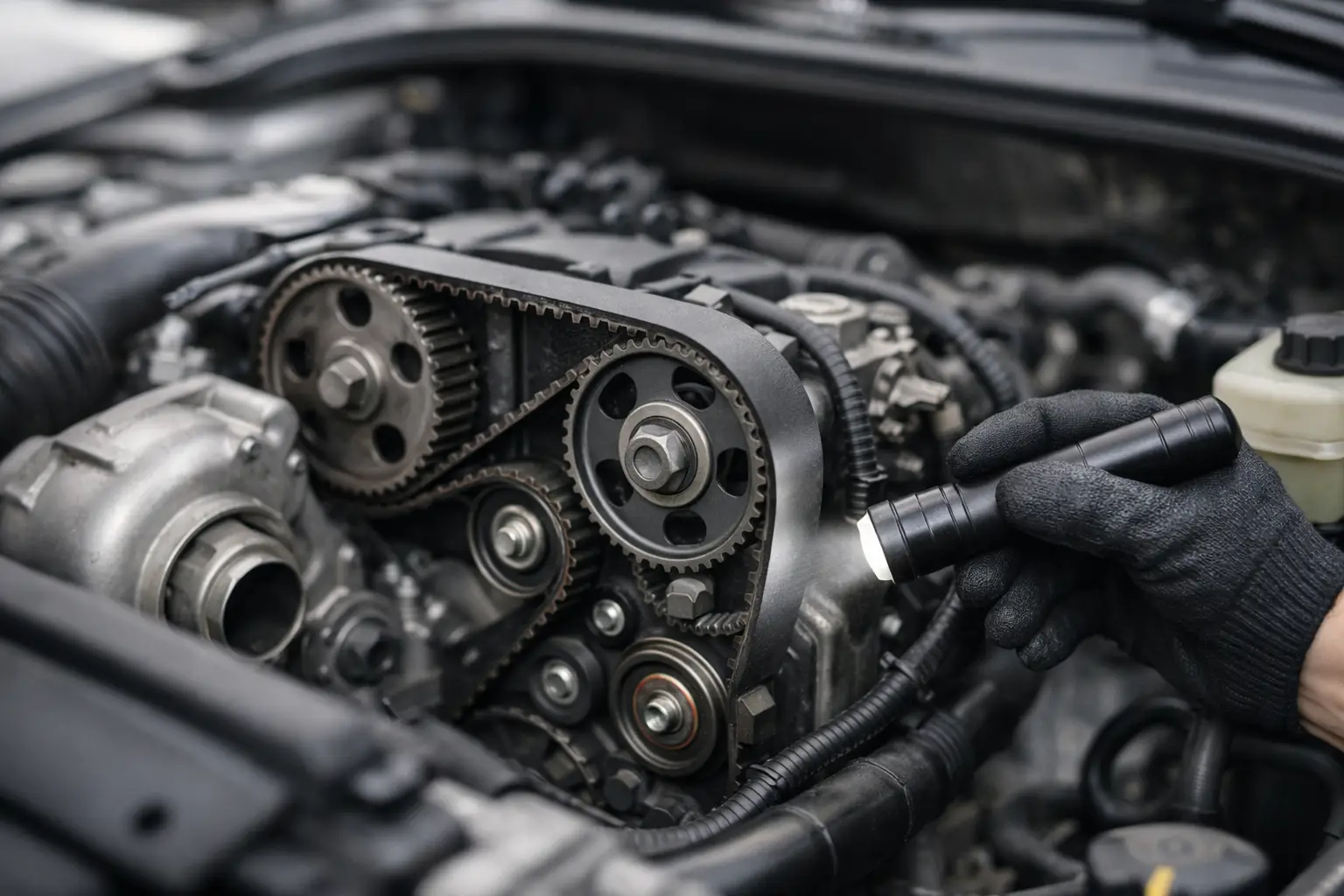
A simple example is engine oil. Leave it too long and internal wear increases. Ignore a cambelt interval and you may be facing catastrophic engine damage rather than a scheduled replacement. Put off a DSG service and you risk wear that can lead to poor shifting, fault codes or much bigger gearbox bills.
The same logic applies across the car. Brakes, suspension components, cooling systems and driveline parts all give you a chance to intervene early if they are inspected properly.
2. Better reliability day to day
A reliable car is easy to take for granted until it is not. Preventative maintenance reduces the chances of inconvenient failures by checking the items most likely to wear or deteriorate with mileage and age.
That means things like battery health, fluid condition, tyre wear, brake condition, coolant leaks and developing faults found through diagnostics. On many modern Audi, VW, Škoda and SEAT models, early symptoms are not always obvious from the driver’s seat. A proper inspection can spot issues before they turn into dashboard warnings or non-start problems.
For drivers covering regular mileage into Reading or Basingstoke, reliability is not a luxury. It is the difference between a normal week and one disrupted by workshop bookings at the worst possible moment.
3. Improved safety
One of the clearest benefits of preventative car maintenance is safety. A car does not need to be in terrible condition to become unsafe. Tyres can lose grip gradually. Brakes can wear down over time. Suspension problems can affect handling long before a driver realises how much performance has changed.
Routine checks help keep the basics right. That includes stopping distances, tyre condition, steering response, visibility and the overall roadworthiness of the vehicle. If your car is carrying family members every day, that peace of mind matters.
There is also an MOT angle here. Preventative maintenance is not the same as an MOT, but a well-maintained car is far less likely to fail on common wear-and-tear items. Preparing properly avoids the stress of avoidable test failures and repeat visits.
Preventative maintenance protects vehicle value
If you plan to sell or part-exchange your car later, service history matters. Buyers want evidence that the car has been looked after properly, especially with premium marques and specialist systems.
A stamped or documented service record, invoices for key jobs and proof that maintenance has been done on time all support resale value. This is particularly relevant for VAG vehicles where informed buyers often ask about cambelt history, DSG servicing, Haldex servicing and common fault areas.
The opposite is also true. Missed servicing raises questions. Even if the car seems fine now, buyers may assume hidden problems or future costs. That usually means lower offers and a harder sale.
Fuel economy and performance stay closer to where they should be
Drivers often notice obvious faults, but they do not always notice gradual decline. A car can become less efficient or less responsive over months rather than days.
Fresh filters, correct fluids, healthy ignition components and proper fault diagnosis all help the engine and related systems work as intended. Sometimes the gain is modest. Sometimes it is more noticeable, especially if maintenance has been overdue for a while.
On performance-focused models, or simply on vehicles that should feel smooth and responsive, neglected servicing can dull the driving experience. Carbon build-up, tired fluids and unresolved sensor issues all play a part. Preventative care helps keep the car driving as it should rather than merely keeping it running.
Why specialist servicing matters for Audi, VW, Škoda and SEAT
Not all preventative maintenance is equal. The quality of the inspection, the parts used and the technician’s familiarity with the platform make a real difference.
VAG cars are well engineered, but many have known service requirements and recurring fault patterns that general garages may not spot early. A specialist who works with these vehicles every day is more likely to recognise the warning signs of mechatronic issues, timing-related concerns, cooling system weaknesses or drivetrain wear before they become serious.
That is one reason many owners look for answers to questions like where to get an Audi DSG service without paying main dealer prices. The right option is usually a workshop with proper diagnostic equipment, experience with the platform and a clear understanding of manufacturer service requirements.
For drivers in and around Aldermaston, it also helps to have that expertise locally rather than travelling miles for dealer-level capability. If you are based in Tadley, Basingstoke, Reading or Newbury, a nearby specialist workshop can make routine maintenance far easier to keep on schedule.
The trade-off: not every car needs the same approach
Preventative maintenance is not about replacing everything early. Good servicing should be evidence-based, not a blank cheque.
Mileage, age, driving style and model all affect what makes sense. A low-mileage car used mainly for short local trips may need a different focus from a higher-mileage motorway car. An enthusiast-owned Golf R or Audi S model may need closer attention to driveline and performance-related servicing than a lightly used family hatchback.
That is where honest advice matters. The goal should be to recommend the work your car actually needs, at the point it needs it, using OEM or equivalent quality parts. Done properly, preventative maintenance feels practical, not excessive.
When should you stop waiting and book it in?
If your service is overdue, your MOT is approaching, your gearbox has not had its scheduled fluid change, or the car just does not feel quite right, that is usually enough reason to act. You do not need a breakdown or warning light to justify a check.
Small signs matter – slower starts, rougher running, vibration under braking, uneven tyre wear, hesitant gear changes or a minor coolant loss. These are often the moments when preventative maintenance delivers the most value, because the issue is still manageable.
For local VAG owners, convenience matters too. Choosing a workshop within easy reach of Aldermaston, Tadley, Basingstoke, Reading or Newbury makes it simpler to stay on top of servicing rather than putting it off for another month.
A well-maintained car rarely shouts for attention. It just starts, drives properly and gets on with the job. That is usually the best sign you are doing things right.