
You know the feeling: the car still drives, but something is off. The DSG shift isn’t as clean as it was last month. The stop-start has given up. A warning light pops on, then disappears just long enough to make you doubt yourself.
This is where a proper VAG diagnostics specialist earns their keep – not by plugging a tool in and reading a code, but by working out why the fault is happening, whether it’s about to become expensive, and what the most sensible fix looks like for your Audi, Volkswagen, Skoda or SEAT.
What a VAG diagnostics specialist actually does
Modern VAG cars are rolling networks. One symptom can involve several control modules, a stack of sensor inputs, and a handful of conditions that must be met before the car even decides to log a fault. That’s why “code read” and “diagnostics” are not the same job.
A specialist approach starts with context. Your model year matters, the engine code matters, the gearbox type matters, and so does the service history. VAG platforms share parts and architecture across brands, but they also have very specific patterns – the sort you only recognise after years of seeing the same failures repeat.
Good VAG diagnostics is a process, not a screenshot. It means verifying the concern, checking the basics, reading faults properly, and then using live data, guided functions and test plans to narrow it down. It also means knowing when the car is lying. A fault code is often the victim, not the culprit.
Why generic OBD scans often waste money
A basic OBD reader usually talks to the engine ECU and gives a generic code. That can be useful, but it’s only a thin slice of what’s going on. VAG vehicles have many modules that influence drivability and safety: ABS, steering, gearbox, AWD, airbag, comfort, infotainment, battery management and more.
Even when you do get a code, the wording can mislead. “Misfire cylinder 2” does not automatically mean “replace coil pack”. It could be an injector issue, a wiring fault, low fuel pressure, carbon build-up, a vacuum leak, or a mechanical compression problem. If you chase the most obvious part first, you can quickly rack up a pile of invoices without fixing the car.
There’s also the issue of intermittent faults. Many VAG problems show up only under load, at a certain temperature, or after a specific driving pattern. A quick scan in the car park can show nothing, even though the issue is very real.
What proper VAG diagnostics includes (and why it takes time)
A specialist diagnostic session typically includes more than reading codes and clearing them. It’s about confirming the fault, proving the cause, and making sure the repair will stick.
First comes a structured check: customer symptoms, any recent work, battery condition, and a quick health scan of all relevant modules. Battery state is worth mentioning because low voltage can create a surprising number of false or secondary faults across VAG systems.
Then comes the deeper work. Live data is often the key – sensor readings, adaptation values, measured values blocks, fuel trims, boost requested vs boost actual, gearbox clutch temperatures, wheel speed plausibility, and so on. A good VAG diagnostics specialist will look for patterns rather than isolated numbers.
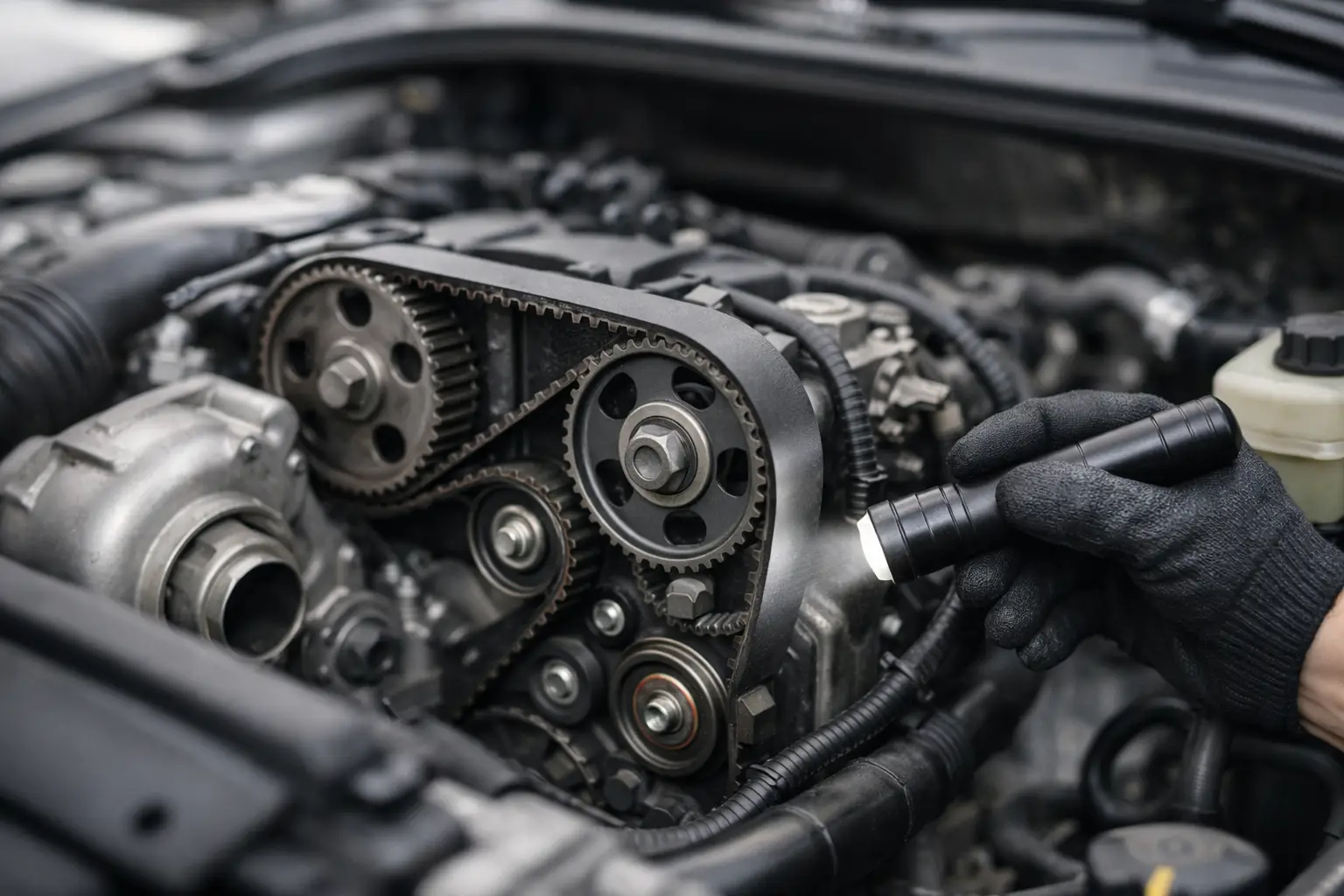
From there, it depends. Sometimes diagnostics means running actuator tests, doing smoke testing for air leaks, checking wiring integrity, or verifying mechanical timing. Other times it involves software-side checks: adaptations, basic settings, and confirming whether coding or parameterisation is correct after previous repairs.
The point is not to make it sound complicated for the sake of it. The point is that careful fault-finding usually costs less than guessing – because it stops you replacing good parts.
Common VAG fault areas where specialists pay off
VAG cars are generally well engineered, but they have predictable weak spots depending on engine and drivetrain.
DSG and mechatronic behaviour
A slight shudder pulling away, delayed engagement, harsh 2-1 downshifts, or “PRNDS” warnings can be anything from fluid condition and adaptations through to mechatronic or clutch pack issues. A generic scan can point you in the rough direction, but it won’t tell you whether the gearbox needs servicing, re-adapting, wiring repair, or internal work.
Diagnostics here often involves checking clutch values, temperatures, pressure regulation, and adaptation limits, then correlating that with how the car behaves on a road test. Getting this right matters, because DSG repairs can be costly when approached blindly.
Haldex and quattro-style AWD faults
On many VAG AWD systems, you can lose rear drive without realising until the weather turns. Faults can relate to the Haldex pump, filter (where fitted), pressure issues, wiring, or control module problems. A specialist will confirm whether the system is actually building pressure and commanding engagement, rather than simply reacting to a stored code.
EML, limp mode and boost control
Turbo-related faults are a classic example of “code vs cause”. Underboost or overboost codes can be triggered by split hoses, sticking actuators, boost leaks, sensor drift, or control issues. Live data and targeted testing are what separate a correct fix from a pile of replaced valves.
DPF, EGR and emissions-related warnings
DPF and EGR issues are rarely solved by clearing faults. The right approach is to look at soot load, differential pressure readings, exhaust temperature behaviour, and driving patterns, then decide whether it’s a sensor problem, a regeneration issue, or a mechanical restriction.
Be wary of anyone offering a one-size-fits-all answer. Sometimes the car needs a proper forced regeneration and the root cause addressed. Sometimes it needs component replacement. Sometimes it needs a frank conversation about how the vehicle is used.
Misfires and rough running
On direct-injection petrol engines in particular, misfires can be caused by ignition issues, fuelling issues, intake leaks, or carbon build-up on intake valves. The right diagnosis might involve swap testing coils, checking injector balance, looking at fuel trims, or assessing intake valve condition.
If you’re also noticing reduced performance and poorer fuel economy, it can be linked – but it depends on the engine and mileage.
“It depends”: when diagnostics leads to more than one good option
A strong specialist won’t force you into the most expensive path. They’ll explain what they’ve found and offer options that match how you use the car.
For example, if a sensor is reading slightly out but not failing consistently, you may choose to monitor it rather than replace immediately, especially if the repair requires significant labour. If the vehicle is high mileage and you plan to keep it, you might choose the more thorough fix now to avoid repeat visits.
There are also times when a fault has a known pattern but still needs proving. A common VAG issue might be likely, but it’s still poor practice to replace parts purely on probability. The best workshops combine experience with evidence.
What to expect when you book diagnostics
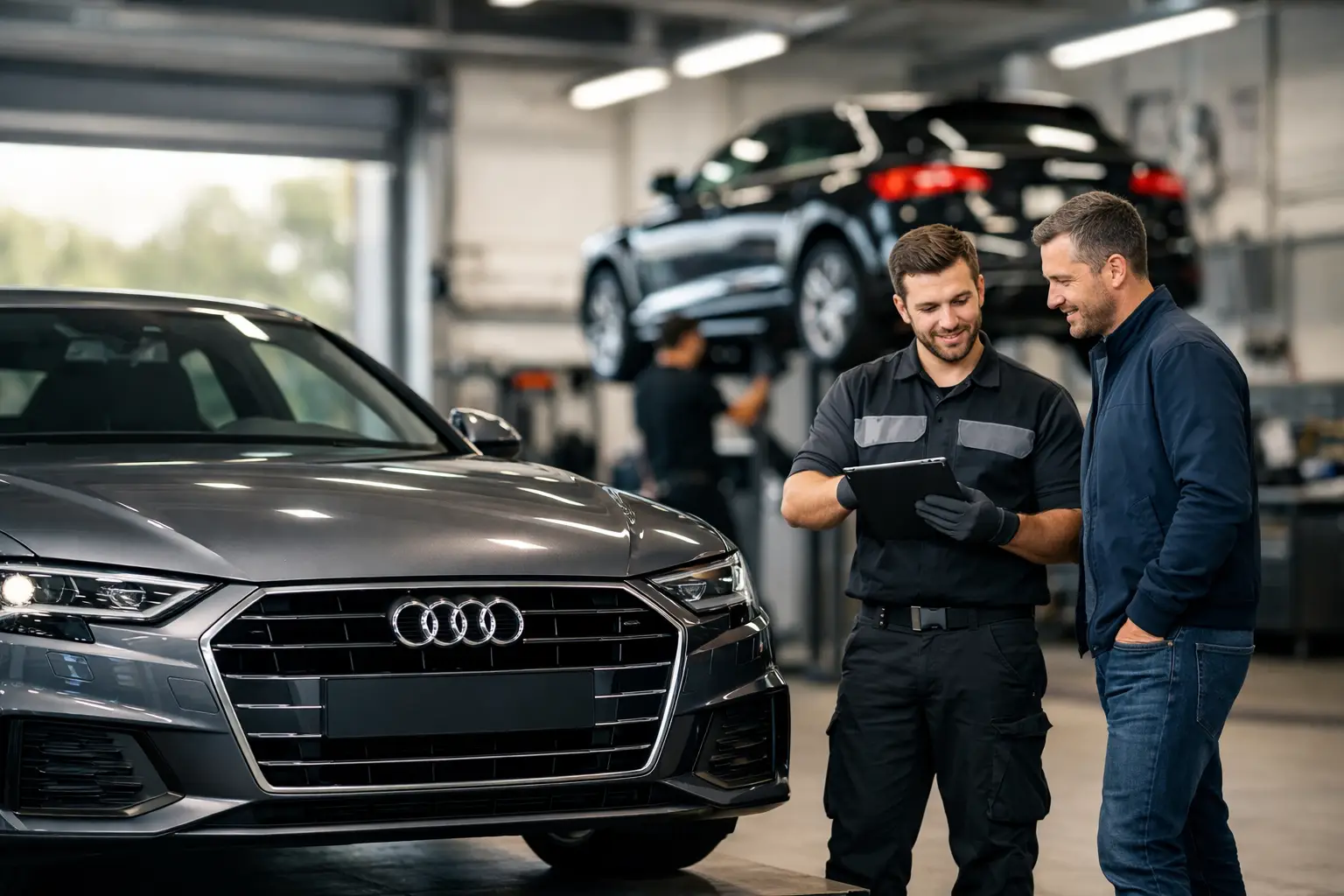
A professional diagnostic booking should feel organised and transparent. You should be asked clear questions about the symptoms, when they occur, and whether any work has been done recently. If a warning light is intermittent, you should be encouraged to describe the conditions when it appears.
You should also expect a realistic timescale. Some faults are found quickly. Others take longer because they are intermittent, because the car needs to be tested from cold, or because the issue spans multiple systems.
After the investigation, you should get a plain-English explanation of what has been found and what the next steps are. That might be an estimate for repair, a recommendation for further testing, or advice on priority if multiple issues show up.
How specialist diagnostics saves you money long-term
The cost of diagnostics can feel frustrating when you just want the warning light gone. But the alternative is usually worse. Guessing tends to create repeat visits, extra labour, and the slow creep of “we’ll try this next” invoices.
A specialist approach also helps prevent collateral damage. Catching a boost leak early can protect a turbo. Correctly servicing and adapting a DSG can reduce clutch wear. Identifying a weak battery can stop spurious faults and non-start situations.
It’s also about confidence. If your car is relied upon for commuting, school runs, or long motorway trips, you want to know the fix is based on proper evidence, not hope.
Choosing the right VAG diagnostics specialist
Look for a workshop that focuses on VAG brands, invests in current diagnostic equipment, and has technicians who can explain faults clearly without hiding behind jargon. Experience matters, but so does process. The best diagnostic technicians are systematic: they verify, test, and confirm.
If you’re local to Aldermaston and the wider Tadley, Basingstoke, Reading or Newbury area, Mechalex carries out VAG-specific fault-finding and repair work with dealer-grade tooling and OEM or equivalent parts standards, without the main-dealer pricing model. The important part, wherever you go, is that the workshop treats diagnostics as a skilled job in its own right.
A helpful way to think about it is this: you’re not paying for someone to find a code. You’re paying for someone to find the truth.