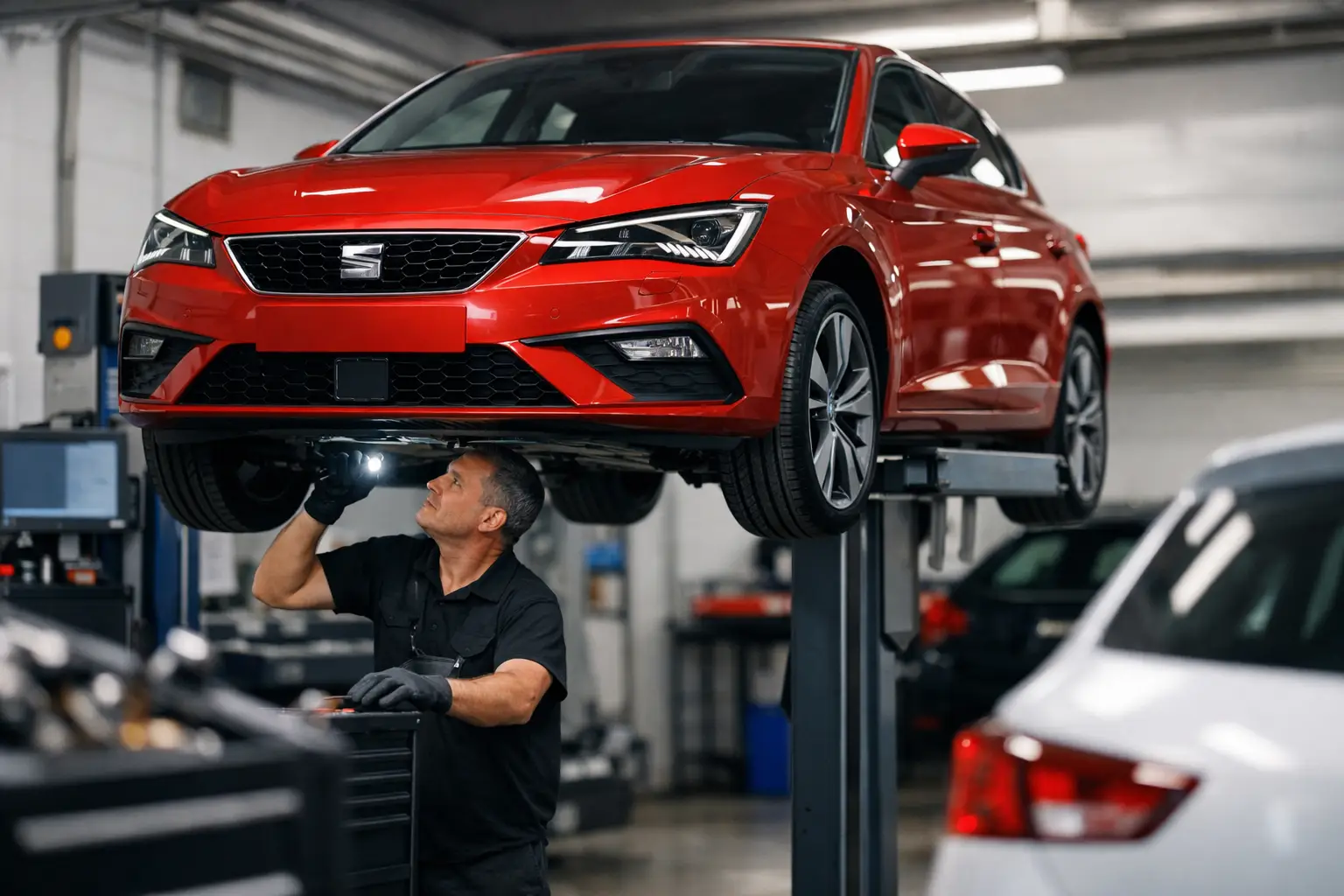
If your SEAT is due a service, the choice is usually less simple than it should be. Main dealer prices can feel hard to justify on an older Ibiza, Leon or Ateca, but a general garage is not always the right fit either. For drivers looking for SEAT servicing Newbury independent garage options, the real question is who understands the car properly, not just who can change the oil.
SEAT sits within the Volkswagen Audi Group, which means many models share engines, gearboxes, electronics and platform components with Volkswagen, Audi and Škoda vehicles. That is useful when the workshop carrying out the work knows VAG systems inside out. It matters far less when the garage treats every make the same.
Why a VAG specialist makes a difference
A SEAT service is not only a box-ticking exercise. Yes, routine items matter – oil, filters, spark plugs, brake fluid and inspections all protect reliability and help keep running costs sensible. But modern SEATs also rely on increasingly complex electronics, software-led systems and model-specific service requirements.
That is where a VAG-focused independent garage has an edge. Shared group knowledge means technicians are more likely to recognise common faults quickly, understand the service intervals that actually matter, and use the right diagnostic process instead of swapping parts in hope. For the owner, that usually means less wasted time, fewer repeat visits and better value overall.
There is also a practical point here. Many SEAT owners want dealer-level standards without dealer-level pricing. That tends to be the sweet spot for a strong independent workshop – proper servicing, proper diagnostics and quality parts, but with a more straightforward, personal service experience.
What good SEAT servicing in Newbury should include
If you are comparing garages, look beyond the headline price. A cheap service can become expensive if the wrong oil grade is used, inspection points are rushed, or manufacturer-specific requirements are missed.
A good SEAT service should start with the correct schedule for the vehicle and its age, mileage and use. A car doing mainly short local trips has different needs from one covering motorway miles every week. Long-life service intervals can suit some drivers, but they are not always the best option for engine longevity. In many cases, more frequent oil servicing is the sensible route, particularly on turbocharged petrol and diesel engines.
The standard itself matters as much as the schedule. That means using OEM or equivalent quality parts, the correct fluids, and workshop systems that can support modern electronic service records and fault tracing where needed. It should also mean a proper vehicle health check, not a quick glance around the car.
For SEAT models fitted with DSG gearboxes, servicing becomes even more important. Missed or delayed DSG oil services can lead to poor shifting, premature wear and avoidable repair costs. The same applies to Haldex-equipped four-wheel-drive models, where regular maintenance is essential if the system is going to keep working as it should.
Routine servicing is only part of the picture
A lot of owners book a service because the reminder light is on, but the car may already be telling a bigger story. Uneven tyre wear, slow starting, rough idle, hesitant acceleration or gearbox hesitation can all point to faults that a capable specialist should pick up during the visit.
That is one of the clear advantages of using an experienced independent garage. You are not only paying for the routine work. You are also benefiting from technicians who know what tends to go wrong on these vehicles and what to look for before a small issue turns into a larger one.
Choosing a SEAT servicing Newbury independent garage
The best garage for your SEAT is unlikely to be the one making the biggest promises. It is more likely to be the one that can explain clearly what your car needs, why it needs it, and what standard of parts and equipment will be used.
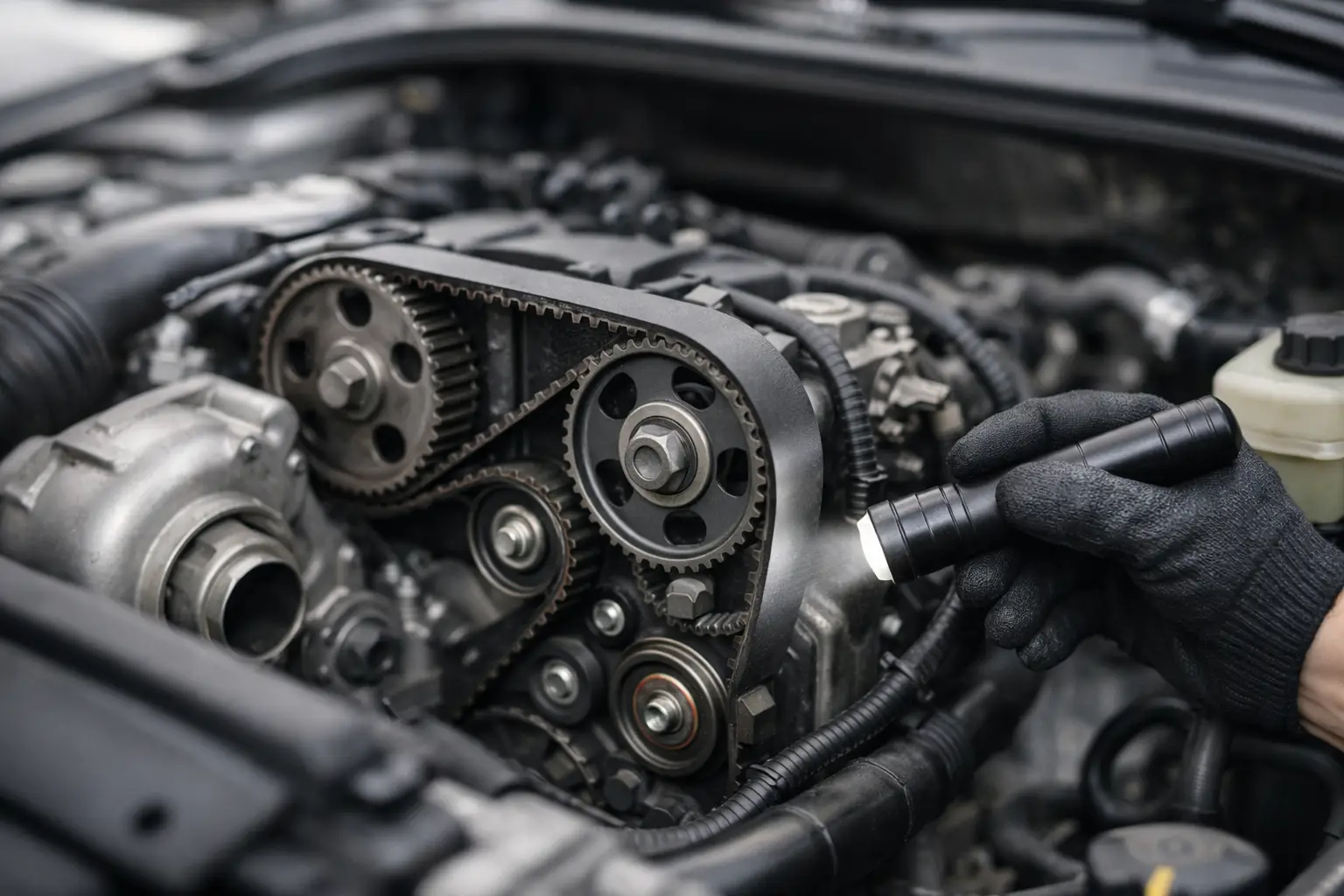
Look for evidence of real VAG experience. That includes familiarity with DSG servicing, cambelt and water pump replacement, diagnostics, mechatronic issues and drivetrain work. Even if your car only needs a routine annual service today, those are strong signs that the workshop is equipped to support you properly when the car needs more than routine maintenance later on.
Modern diagnostic equipment is another key point. Many faults on SEAT models cannot be diagnosed accurately with generic code readers alone. Proper fault-finding often depends on live data, control unit interrogation and an understanding of how systems interact across the vehicle. Without that, garages can end up guessing.
Then there is the human side. Good service should feel straightforward. Clear communication, realistic booking times, transparent pricing and practical support such as courtesy cars all matter, especially if you rely on the vehicle for commuting, school runs or work.
Dealer alternative or general garage?
For many owners, this is the main comparison.
A main dealer will usually follow the manufacturer process and have access to brand systems, but the cost can be difficult to justify once the vehicle is out of warranty or a few years old. You may also find the experience less personal, particularly if your car is one of many moving through a larger operation each day.
A general independent garage may be cheaper, and some are excellent, but the quality varies. If the workshop works on every make under the sun, there is a fair chance your SEAT will be approached as just another hatchback or SUV. Sometimes that is fine for simple maintenance. Sometimes it leads to missed issues, incorrect fluid specifications or longer diagnostic time when faults are less straightforward.
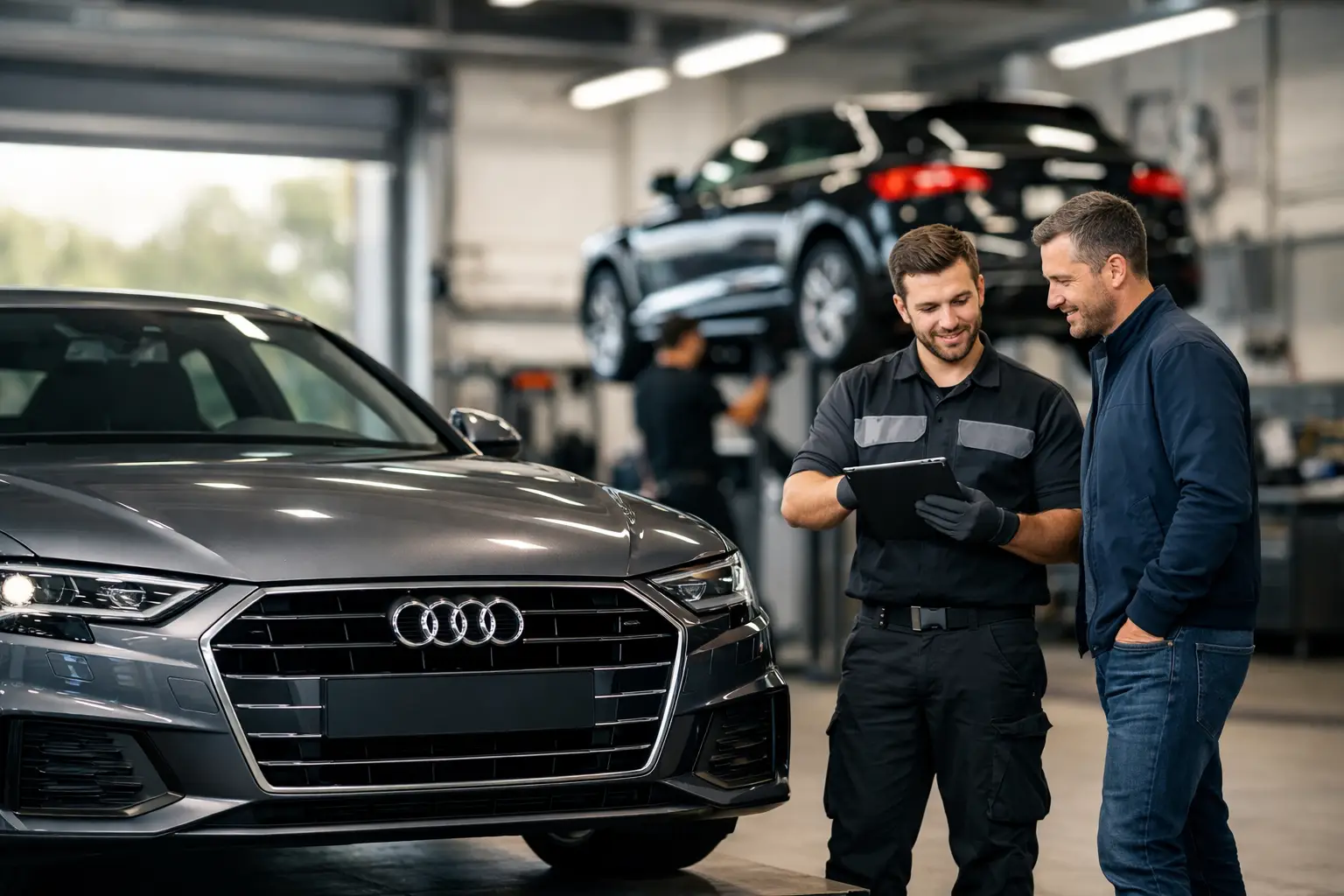
A VAG specialist independent garage sits between the two in a way that suits a lot of local drivers. You get brand-specific knowledge, the right equipment and a higher chance of first-time diagnosis, but with more sensible pricing and a more direct relationship with the people working on the car.
Common SEAT jobs that benefit from specialist knowledge
Routine servicing keeps a SEAT in good order, but ownership often involves more than annual maintenance. Cambelt and water pump changes need to be done at the right time and to the right standard. Leave it too long and the risk is obvious. Do it badly and you can create problems instead of preventing them.
DSG servicing is another area where details matter. Correct intervals, correct fluid and correct procedure are not optional. The same goes for Haldex servicing on four-wheel-drive models, where skipped maintenance can compromise system performance.
There are also carbon build-up issues on some direct-injection petrol engines, along with the kind of intermittent faults that need proper diagnostic discipline rather than guesswork. If your SEAT has warning lights, drivability issues or electrical faults, specialist experience can save a lot of time and unnecessary parts replacement.
For owners who enjoy their cars, there is the performance side too. Some SEAT models respond well to careful ECU calibration and supporting work, but tuning only makes sense when the car is mechanically healthy first. A workshop that understands both maintenance and performance is often the safer choice than one that only offers extra power.
What local drivers usually want from a garage
Most SEAT owners are not looking for anything dramatic. They want the car serviced properly, faults identified accurately and costs kept sensible. They want confidence that the workshop knows the difference between doing the minimum and doing the job right.
That is especially true for people using their car every day around Newbury, Reading, Basingstoke and the surrounding area. Downtime is inconvenient. Repeat visits are frustrating. A garage that gets to the point, communicates clearly and works to a consistent standard is usually worth more than the cheapest estimate.
At Mechalex, that approach is built around VAG expertise, modern diagnostics, OEM or equivalent parts standards and more than 30 years of experience. For SEAT owners who want a genuine alternative to the dealer network, that combination makes sense.
When to book your SEAT in
If your service light is on, you are already due the conversation. But there are earlier signs worth paying attention to. A noisy cold start, sluggish gearbox response, poor fuel economy, vibration under braking or a warning light that comes and goes are all good reasons to get the car checked.
Waiting can sometimes be reasonable – not every advisory needs immediate action. But ignoring early symptoms tends to reduce your options. Minor wear becomes component damage, simple diagnostics become more involved investigations, and costs rise accordingly.
The better approach is steady, preventive maintenance with the right garage behind it. That keeps the car dependable, protects resale value and gives you a clearer picture of what it needs next and when.
If you want your SEAT looked after by people who understand how these cars are built and how they tend to age, choosing the right independent garage is not a compromise – it is often the smarter decision.