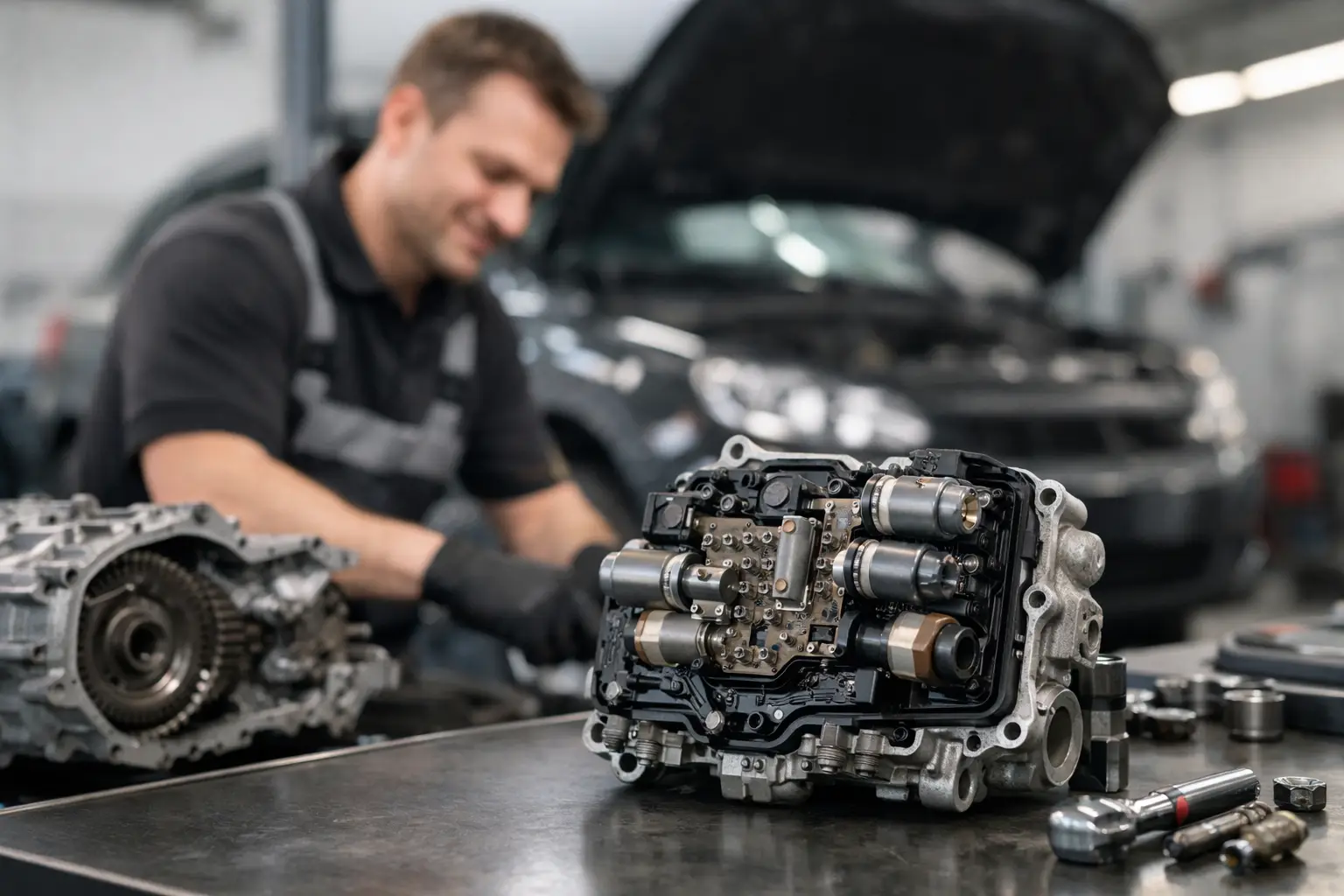
A customer arrives with a familiar complaint – harsh shifts when cold, hesitation pulling away, then a gearbox warning light that appears just often enough to make every journey feel uncertain. This DSG mechatronic repair success story matters because these faults are rarely just about replacing a part and hoping for the best. On VAG vehicles, the difference between a lasting repair and wasted money usually comes down to diagnosis, experience and doing the work properly.
For many Audi, Volkswagen, Škoda and SEAT owners, DSG issues bring two immediate worries. The first is cost. The second is whether the gearbox itself is about to fail. In plenty of cases, the real fault sits within the mechatronic unit or its related control and hydraulic systems, and that is exactly why a specialist approach can make such a difference.
A DSG mechatronic repair success story starts with the right diagnosis
The mechatronic unit is effectively the control centre of the DSG gearbox. It combines electronics, sensors, solenoids and hydraulic control to manage gear selection and clutch operation. When it starts to fail, the symptoms can look dramatic, but they are not always a sign that the entire transmission needs replacing.
That is where many owners can be caught out. A fault code on its own does not tell the whole story. Poor shifting can come from low hydraulic pressure, internal electrical faults, worn components, fluid issues, adaptation problems, or in some cases mechanical wear elsewhere in the gearbox. If you skip the testing stage and jump straight to the most expensive answer, you can spend a lot and still not solve the problem.
A proper repair process begins with a road test, fault code scan, live data assessment and inspection of the gearbox behaviour under different conditions. On VAG models, platform knowledge matters because recurring DSG patterns are well known to experienced specialists. The symptoms on one generation of gearbox are not always the same as another, and the fix is not universal.
What the customer usually notices first
Most drivers do not come in saying the mechatronic unit has failed. They come in describing how the car feels. It may jerk into first, pause before selecting drive, thump on downshifts or drop into limp mode. Some notice that reverse becomes inconsistent. Others mention a flashing PRNDS display or an intermittent warning that clears after restarting the engine.
These are the details that help build the picture. Intermittent faults can be especially frustrating because they encourage guesswork. A general workshop may clear the codes, take a short drive, and find nothing obvious. A VAG specialist is more likely to recognise the pattern, test the right areas and understand whether the issue sits with the mechatronic assembly, clutch adaptation, fluid condition or another related component.
Why some repairs succeed and others do not
A genuine DSG mechatronic repair success story is not about getting the warning light off for a week. It is about restoring predictable operation and giving the owner confidence to use the car normally again.
That usually depends on three things. First, identifying the fault accurately. Second, using the correct repair method and quality parts. Third, carrying out coding, basic settings and adaptation properly after the mechanical work is complete.
This last point is often overlooked. DSG systems are not old-fashioned automatics where you simply bolt a component on and send the car out. If the software setup, learned values or calibration steps are missed, the gearbox may still shift poorly even when the underlying hardware issue has been addressed. That can lead to the false impression that the repair has failed.
The repair process in a real-world workshop
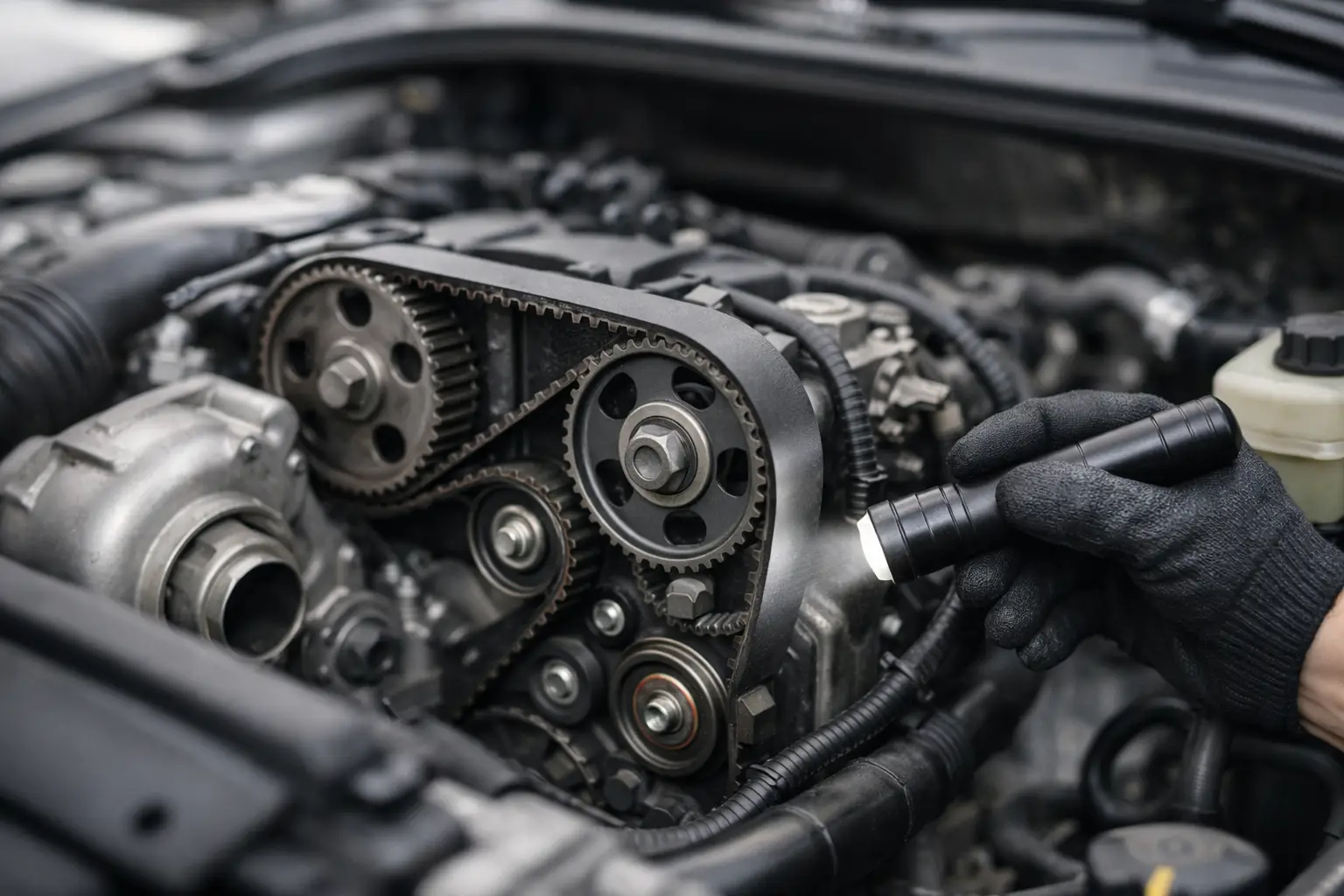
In practice, a successful mechatronic repair is methodical. After confirming the fault, the gearbox and related systems need to be assessed for any wider damage. If the mechatronic unit is the confirmed cause, the repair may involve removal, inspection, replacement of failed internal elements or fitting a replacement unit depending on condition, gearbox type and economic sense.
There is no benefit in pretending every case is identical. Sometimes the most cost-effective route is a targeted repair. Sometimes replacement is the better answer, particularly if reliability is the priority and the unit has suffered more extensive failure. It depends on the fault, the vehicle, mileage, service history and how the car is used.
Once the unit is repaired or replaced, correct fluid procedures matter. So does software-level work. The gearbox then needs adaptation and validation through testing. The final road test is not a formality. It confirms whether shift quality, clutch engagement and fault monitoring all behave as they should in real driving conditions.
The value of VAG-specific experience
This is where specialist workshops stand apart. A technician who works on VAG vehicles day in, day out will already know the common DSG concerns across Audi, Volkswagen, Škoda and SEAT models. They will also know that similar symptoms can have different root causes depending on gearbox code and vehicle platform.
That experience saves time, but more importantly it reduces misdiagnosis. It also helps when advising customers honestly. Not every car needs the same level of intervention. If a repair is unlikely to represent good value because the problem extends further into the gearbox, the customer should be told that clearly. If the issue is isolated and repairable, they should be told that too.
For owners comparing specialists with a main dealer, this is often the point of difference. Dealer-level tooling and capability are vital, but so is practical judgement. An independent VAG specialist can often offer a more personal, value-led route without compromising on standards.
DSG mechatronic repair success story – what success actually looks like
Success is not just a cleaner diagnostic report. It is a car that pulls away smoothly from a roundabout, selects reverse first time, shifts cleanly in traffic and no longer leaves the owner second-guessing whether it will misbehave on the school run or commute.
It also means transparency. The customer understands what failed, why the recommended repair was chosen, and what has been done to verify the result. That matters because gearbox faults can feel daunting. Clear communication makes the process more manageable.
At Mechalex, that customer-first approach matters as much as the technical work itself. VAG owners want confidence that the job is being handled by people who understand these systems properly, use OEM or equivalent parts where appropriate, and have the equipment to complete coding, adaptation and testing to the right standard.
When repair is the better option than replacement
One reason these jobs matter so much is that owners are often told the worst-case scenario early on. In some cases, a full gearbox replacement is necessary. In others, it is not. If the fault is centred on the mechatronic unit and the rest of the transmission is sound, repair can offer a sensible route back to reliable motoring without unnecessary expense.
That said, there are trade-offs. A high-mileage gearbox with multiple underlying issues may not be the best candidate for a minimal repair. Equally, a lower-mileage vehicle with a well-contained mechatronic fault can often justify the work very well. Good advice should reflect the condition of the actual vehicle, not a one-size-fits-all sales pitch.
What owners should do if the symptoms start
The best step is not to ignore early warning signs. Harsh engagement, intermittent selection faults and gearbox warnings tend to become more disruptive over time. Catching the issue earlier can improve the chances of a more straightforward repair and reduce the risk of being stranded or causing further damage.
It also helps to avoid generic assumptions. DSG gearboxes are sophisticated systems, and the right answer comes from testing rather than internet guesswork. If your Audi, Volkswagen, Škoda or SEAT is showing signs of mechatronic trouble, specialist diagnosis is usually the quickest route to clarity.
For drivers around Aldermaston, Tadley, Basingstoke, Reading and Newbury, having access to VAG-specific knowledge means you do not have to choose between dealership pricing and rolling the dice with a non-specialist. You can have the fault assessed properly, understand your options, and make a decision based on evidence rather than alarm.
A good repair story is rarely dramatic once it is done. The warning lights stay off, the gear changes feel right again, and the car goes back to being what it should have been all along – dependable transport you do not have to think twice about.