
Independent Volkswagen Specialists in Aldermaston
Welcome to Our Volkswagen Specialist Centre in Aldermaston
At Mechalex Aldermaston, we extend our passion for German engineering to Volkswagen, one of the world’s most iconic and beloved automotive brands. From the enduring reliability of the Golf and Passat to the versatile capabilities of the Tiguan and Touareg, and the innovative spirit of the ID. electric series, Volkswagen vehicles are engineered for a superior driving experience.
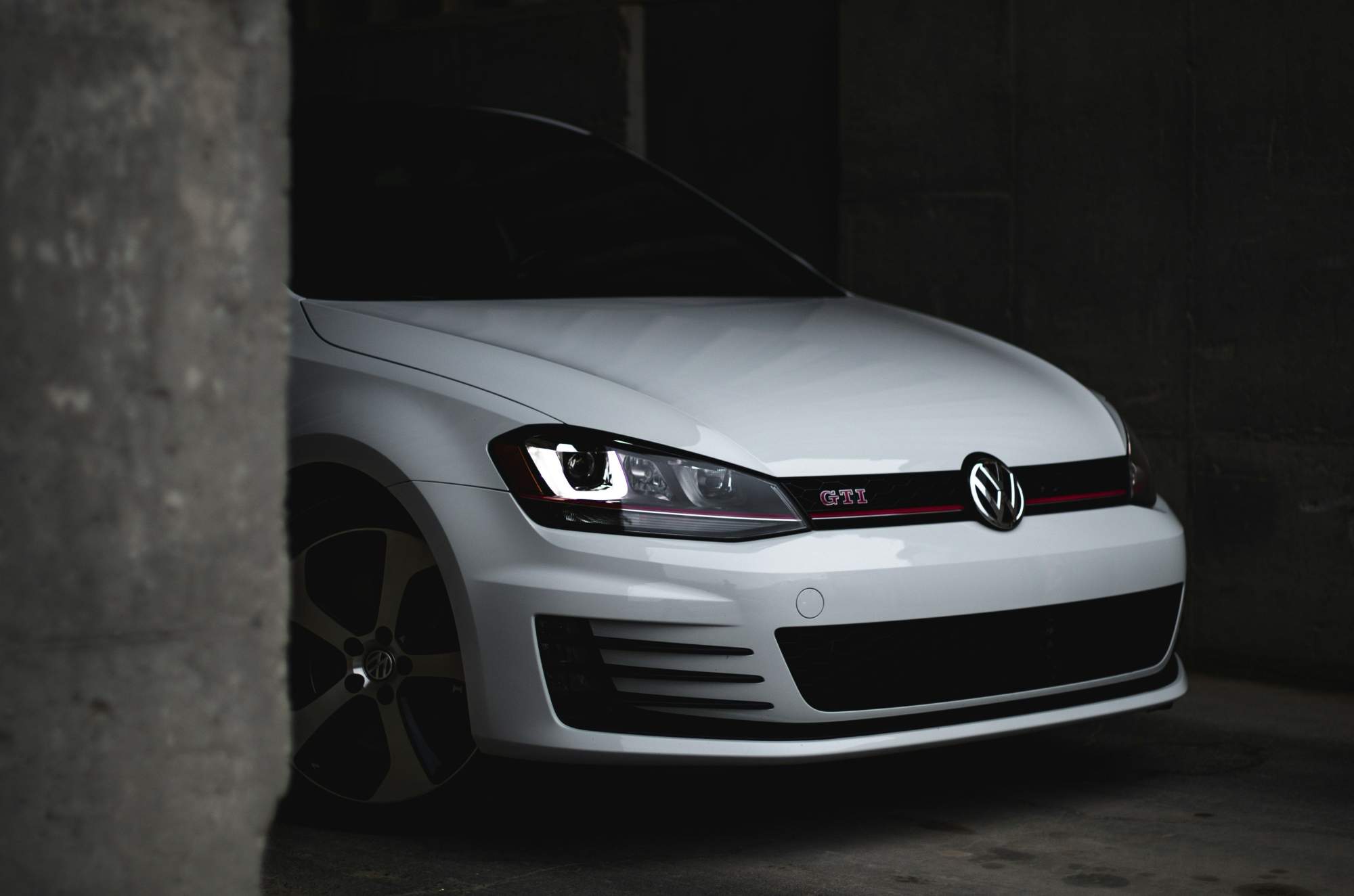
Volkswagen Specialist Services & Fault Code Diagnostics Aldermaston | Mechalex
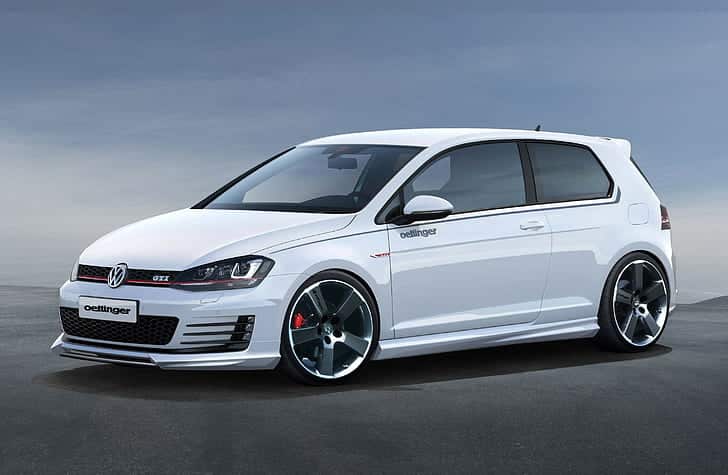
Our team comprises dedicated Volkswagen specialists who possess an unparalleled understanding of the entire VW range, from classic models of the last three decades to the latest advancements. We are committed to maintaining the precision, performance, and safety that define your Volkswagen. Utilising state-of-the-art diagnostic equipment and genuine or OEM approved parts, we provide comprehensive servicing and repairs that uphold Volkswagen’s stringent standards, often at a significantly more competitive rate than main dealerships.
Trust your Volkswagen with experts who genuinely care. Contact us today to schedule your service or repair and experience specialist care that puts your VW first.
Why Mechalex?

Manufacturer or equivalent parts
We only use original parts or exceptional quality alternatives

We use the latest diagnostic tools
We use the latest certified equipment and technology

We offer fully trained technicians
Our technicians have over 30 years experience

We can provide a courtesy car
We have courtesy cars available if you require one

Friendly and reliable service
We make it our business to exceed expectations!
Comprehensive Volkswagen (VW) Services at Mechalex Aldermaston
At Mechalex Aldermaston, we offer a full spectrum of services tailored specifically for your Volkswagen, ensuring it receives the expert care it deserves. Our specialist services cover all aspects of VW maintenance and repair, from routine checks to complex diagnostics.
Adhering strictly to VW’s recommended service intervals, our scheduled maintenance ensures your car operates at peak efficiency. This includes oil changes, filter replacements, fluid checks, and comprehensive inspections.
Essential for your Volkswagen’s engine health, particularly for VW TDI and TSI engines, we offer precise cambelt and waterpump replacement services. We use high-quality kits and follow manufacturer-specific intervals (e.g., typically every 60k miles or 5 years for many 2.0 TDI CR engines), preventing costly engine damage.
Our facility boasts dealer-level Volkswagen diagnostic equipment, including ODIS and VCDS. We swiftly and accurately pinpoint complex electronic and mechanical faults across all VW systems, from engine management and DSG transmission issues to ABS, ESP, and infotainment system problems, providing precise VW fault code analysis.
As Volkswagen DSG specialists, we offer comprehensive servicing and repair for all DSG types, including wet-clutch (DQ250, DQ500) and dry-clutch (DQ200) units. This includes essential DSG oil and filter changes, mechatronic unit repair or replacement, and clutch pack adjustments, ensuring smooth and efficient gear shifts for your VW.
For all Volkswagen 4MOTION models, we provide expert Haldex system servicing. This critical component of your VW all-wheel-drive system requires regular maintenance (oil and filter changes, especially for older generations) to prevent costly failures of the Haldex pump or control unit, ensuring proper power distribution and traction.
We provide comprehensive clutch services for your Volkswagen, covering both manual gearbox clutches and the dual clutch packs in DSG transmissions. Whether you’re experiencing slipping in your manual VW or juddering/slippage from a worn DSG clutch, our specialists use specific tools and expertise for accurate diagnosis and replacement, restoring smooth power delivery.
Maintaining your Volkswagen’s renowned ride comfort and precise handling is our priority. We offer expert diagnosis and repair of all steering and suspension components, including shock absorbers, springs, bushings, and electronic power steering systems, using specialist tools for calibration and alignment.
Common in modern direct-injection VW TSI, TFSI, and TDI engines, carbon buildup can significantly reduce performance and efficiency. Our Volkswagen carbon cleaning services, including walnut blasting, effectively remove deposits from intake valves, restoring power, improving fuel economy, and resolving misfire issues.
Ensure your Volkswagen’s climate control system is operating at peak efficiency. We offer comprehensive VW air conditioning services, including refrigerant re-gassing (R134a and R1234yf), leak detection, and repair or replacement of faulty compressors, condensers, or evaporators, providing cool air when you need it most.
Unlock the true potential of your Volkswagen with our bespoke ECU remapping and performance tuning services. Whether it’s a Golf GTI, Golf R, or a TDI model, we can safely increase horsepower, torque, and improve throttle response, providing a more engaging and exhilarating driving experience tailored to your VW.
- P0171: System Too Lean (Bank 1) – Implies that the engine is running with too much air or not enough fuel, often a sign that a basic service component like an air filter is clogged or a fuel filter is restricted.
- P0172: System Too Rich (Bank 1) – Implies too much fuel or not enough air, potentially due to a dirty air filter, faulty fuel pressure regulator, or leaking injector, all of which should be checked during a service.
- P0300: Random/Multiple Cylinder Misfire Detected – Implies a general engine misfire, which can be caused by worn spark plugs, faulty ignition coils, or clogged fuel injectors, all routine service items.
- P0420: Catalyst System Efficiency Below Threshold (Bank 1) – Implies the catalytic converter isn’t performing efficiently. While the converter itself might be failing, it’s often caused by underlying engine issues that a comprehensive service should address.
- P0401: Exhaust Gas Recirculation (EGR) Flow Insufficient Detected – Implies the EGR system isn’t functioning correctly, often due to carbon buildup or a stuck valve, requiring cleaning as part of comprehensive maintenance.
- P0507: Idle Air Control System RPM Higher Than Expected – Implies that the engine idle speed is too high, often caused by a vacuum leak or a dirty throttle body, which should be inspected during service.
- P0440: Evaporative Emission Control System Malfunction – Implies a general fault in the EVAP system, which can be as simple as a loose fuel cap or a minor leak that should be checked in routine inspection.
- P0562: System Voltage Low – Implies low battery voltage, indicating the battery needs testing or replacement, a standard part of a full service check.
- B100B: Immobilizer System Malfunction – Implies an issue with the immobiliser, though less common for routine service, sometimes linked to low battery voltage or basic system checks.
- P0087: Fuel Rail/System Pressure – Too Low – Implies issues with the fuel delivery system, possibly due to a clogged fuel filter or a failing fuel pump, which should be part of a thorough service check.
- P0016: Crankshaft Position – Camshaft Position Correlation (Bank 1 Sensor A) – Implies a misalignment between the crankshaft and camshaft, a strong indicator of a stretched timing chain or a timing belt issue.
- P0011: “A” Camshaft Position Timing Over-Advanced or System Performance (Bank 1) – Implies incorrect camshaft timing, which could be due to a failing timing belt, tensioner, or related VVT components.
- P0340: Camshaft Position Sensor Circuit Malfunction (Bank 1 or Single Sensor) – Implies a fault with the camshaft position sensor, often triggered if the cam timing is significantly off due to a faulty belt or tensioner.
- P0341: Camshaft Position Sensor Circuit Range/Performance (Bank 1 or Single Sensor) – Implies the camshaft sensor signal is out of expected range, again possibly from timing belt stretch or slippage.
- P2181: Performance Malfunction in Cooling System – Implies the engine cooling system is not performing efficiently, a common code when the water pump is failing, leaking, or the thermostat is stuck open.
- P0128: Coolant Thermostat / Valve Temperature Below Control Range – Implies the engine isn’t reaching optimal temperature, often due to a stuck-open thermostat, which is commonly replaced with the water pump.
- P00B7: Engine Coolant Flow Low/Performance – Implies restricted coolant flow, a direct sign of a failing water pump or a blockage in the cooling system.
- P0321: Ignition/Distributor Engine Speed Input Circuit Range/Performance – Implies an issue with the crankshaft position sensor signal, which can be affected by abnormal crankshaft rotation due to a failing timing belt system.
- P0335: Crankshaft Position Sensor “A” Circuit Malfunction – Implies a fault with the crankshaft position sensor, which monitors engine speed and position, critical for timing synchronization.
- P0322: Ignition/Distributor Engine Speed Input Circuit No Signal – Implies no signal from the engine speed sensor, which could indirectly indicate a timing system issue if the crankshaft isn’t rotating as expected.
- U0100: Lost Communication with Engine Control Module (ECM) – Implies a total loss of communication with the primary engine computer, preventing diagnosis of engine-related issues.
- U0121: Lost Communication with Anti-Lock Brake System (ABS) Control Module – Implies a breakdown in communication with the ABS module, hindering brake system diagnostics.
- U0140: Lost Communication with Body Control Module (BCM) – Implies no communication with the BCM, affecting central locking, lighting, and other body electronics diagnostics.
- U0155: Lost Communication with Instrument Cluster Control Module – Implies a communication issue with the instrument cluster, making it impossible to read dashboard warnings or data.
- U0101: Lost Communication with Transmission Control Module (TCM) – Implies the diagnostic tool cannot communicate with the transmission computer, preventing DSG or automatic gearbox diagnosis.
- U0164: Lost Communication with HVAC Control Module – Implies a communication loss with the heating, ventilation, and air conditioning module, preventing AC system diagnostics.
- U0186: Lost Communication with Audio Control Module – Implies communication failure with the infotainment system, hindering diagnostics for radio or navigation issues.
- U1111: Function Limitation Due to Missing Message – Implies a generic communication error where one module isn’t receiving expected data from another, often a sign of a bus problem.
- P0601: Internal Control Module Memory Check Sum Error – Implies an internal fault within a control module’s memory, which could affect diagnostic capabilities and require module replacement or reprogramming.
- P0606: ECM/PCM Processor Fault – Implies a critical internal fault with the main processor of the engine or powertrain control module, often leading to a no-start condition or erratic behaviour, requiring advanced diagnostics.
- P17BF: Hydraulic Pump Play Protection (DQ200) – Implies a specific issue with the internal hydraulic pump in the dry-clutch DQ200 DSG mechatronic unit, often leading to loss of hydraulic pressure.
- P1735: Position Sensor For Clutch 1 Electrical Malfunction – Implies an electrical fault with the position sensor for the odd-numbered gear clutch, directly affecting DSG operation.
- P1736: Position Sensor For Clutch 2 Electrical Malfunction – Implies an electrical fault with the position sensor for the even-numbered gear clutch, crucial for DSG engagement.
- P0700: Transmission Control System Malfunction (MIL Request) – Implies a general fault within the DSG’s Transmission Control Module (TCM), requiring further specific DSG fault code reading.
- P0841: Transmission Fluid Pressure Sensor/Switch “A” Circuit Range/Performance – Implies an issue with the DSG’s internal pressure sensor, affecting hydraulic pressure and gear engagement.
- P2711: Unexpected Mechanical Gear Disengagement – Implies a mechanical fault within the DSG gearbox or the mechatronic’s control over gear selection, potentially linked to clutch pack issues.
- P0776: Pressure Control Solenoid “B” Performance/Stuck Off – Implies a problem with a specific pressure control solenoid in the DSG, affecting fluid pressure and shift quality.
- P174B: Valve 3 In Gearbox Part 2 Electrical Fault – Implies an electrical fault with a specific valve in the mechatronic unit controlling one of the gear sets.
- P17D8: Torque Limitation Due To Clutch Temperature – Implies the DSG has limited torque output due to overheating clutch packs, often from wear or aggressive driving.
- P189C: Function Restriction Due To Insufficient Pressure Build-Up – Implies the DSG hydraulic system cannot build enough pressure, potentially due to a faulty pump or mechatronic unit.
- 00448: Haldex Clutch Pump (V181) – Defective/Open Circuit – Implies a fault with the electric pump that pressurises the Haldex system, leading to loss of AWD.
- 01324: Control Module for All Wheel Drive (J492) – No Signal/Communication – Implies a communication breakdown with the Haldex control unit itself, often resulting in complete AWD system failure.
- C111207: Haldex Clutch Pump Mechanical Malfunction – Implies a mechanical issue specifically with the Haldex pump, leading to insufficient pressure for engagement.
- U0114: Lost Communication with Four-Wheel Drive Clutch Control Module – Implies that the vehicle’s main control unit cannot communicate with the Haldex ECU, disabling AWD.
- U1121: Transmission (CAN message) / Databus Missing Message – Implies a general CAN bus communication issue affecting the Haldex system, preventing proper data exchange.
- 16670: All Wheel Drive – Mechanical Failure (Generation 5 Haldex) – Implies a mechanical problem within the Generation 5 Haldex system, often related to internal clutch or pump wear.
- 16671: Pump For Haldex Pump – Internal System Fault (Generation 5 Haldex) – Implies an internal electronic or mechanical fault within the Haldex pump assembly for Generation 5 systems.
- P1889: Haldex Pump Fault – A generic code indicating a problem with the Haldex pump, requiring further diagnosis to pinpoint the exact cause.
- 02248: Valve For Controlling Clutch Operating Angle – Defective – Implies a fault with the solenoid valve that controls the Haldex clutch engagement.
- 02249: Sensor For Oil Pressure / Oil Temperature – No Signal – Implies a problem with the sensor that monitors the Haldex oil pressure or temperature, which can impact system operation.
- P0811: Excessive Clutch Slippage – Implies that the clutch (manual or DSG) is slipping excessively, often indicating a worn clutch disc/pack or pressure plate issue.
- P0741: Torque Converter Clutch Circuit Performance or Stuck Off – While specific to automatics/DSG, this relates to clutch lock-up, suggesting an issue with the torque converter clutch engagement.
- P0751: Shift Solenoid “A” Performance/Stuck Off (DSG) – Implies a fault with a solenoid that controls gear engagement in the DSG, often linked to clutch application issues.
- P0776: Pressure Control Solenoid “B” Performance/Stuck Off (DSG) – Another specific solenoid fault in DSG that can lead to incorrect clutch pressure and shift quality.
- P1740: Clutch Temperature Monitoring – Implies that the DSG’s clutch temperature is being monitored and is potentially too high, indicating wear or incorrect engagement.
- P1741: Clutch Torque Adaptation Limit Reached – Implies the DSG’s clutch adaptation values have reached their limits, often due to significant clutch wear requiring replacement.
- P17D4: Valve for Gear Selector 1/2 Electrical Fault (DSG) – Implies an electrical fault affecting the gear selector for specific clutches, impacting engagement.
- P17D6: Valve for Gear Selector 3/4 Electrical Fault (DSG) – Similar to P17D4, but for the other set of gears, affecting clutch control.
- P0715: Input/Turbine Speed Sensor “A” Circuit Malfunction – While a speed sensor code, erratic signals can cause incorrect clutch engagement or disengagement, especially in DSG.
- P0720: Output Speed Sensor Circuit Malfunction – An output speed sensor issue can lead to improper shift points and clutch engagement in automatic/DSG transmissions.
- 00778: Steering Angle Sensor (G85) – Faulty / No Basic Setting – Implies an issue with the steering angle sensor, critical for ESP and adaptive headlights, often requiring recalibration.
- C1000: Control Module Fault (ABS/ESP) – Implies an internal fault within the ABS/ESP control module, which is integral to modern suspension and steering stability systems.
- 01309: Power Steering Control Module (J500) – No Communication – Implies a loss of communication with the electric power steering module, often resulting in heavy steering.
- 00816: Power Steering Sensor (G250) – Electrical Fault – Implies an electrical issue with the sensor that measures steering effort, affecting power assistance.
- 00493: ESP Sensor Unit (G419) – No Signal – Implies a loss of signal from the ESP sensor unit (which includes yaw rate and lateral acceleration sensors), vital for stability control.
- 00595: Tire Pressure Monitoring Sensor (G431) – No Signal – Implies a fault with a tire pressure sensor, which is part of the overall chassis and safety monitoring.
- 01486: System Function Test Activated (Suspension) – Implies that the suspension system has been put into a test mode or has detected an anomaly during its self-test.
- C10F1: Ride Height Sensor – Implausible Signal – Implies an issue with a ride height sensor, common in vehicles with adaptive or air suspension, leading to incorrect ride height.
- U0415: Invalid Data Received From Anti-Lock Brake System (ABS) Control Module – Implies incorrect data from the ABS module, which can affect stability control and steering assist.
- P0501: Vehicle Speed Sensor “A” Range/Performance – Implies an issue with the speed sensor, which can affect ABS, ESP, and accurate speed readings, indirectly impacting steering feel.
- P0300: Random/Multiple Cylinder Misfire Detected – Often a primary symptom of severe carbon buildup on intake valves, leading to inefficient combustion.
- P0301-P0306: Cylinder X Misfire Detected – Specific cylinder misfires frequently point to carbon-fouled intake valves, especially in direct-injection engines.
- P2187: System Too Lean at Idle (Bank 1) – Can be caused by reduced airflow due to carbon buildup, or by the ECU trying to compensate for inadequate air intake.
- P0171: System Too Lean (Bank 1) – Similar to P2187, a lean condition can result from carbon restricting airflow, leading to the engine demanding more fuel.
- P0401: Exhaust Gas Recirculation (EGR) Flow Insufficient Detected – Directly related to carbon buildup blocking the EGR passages, common in TDI engines.
- P0404: Exhaust Gas Recirculation (EGR) Circuit Range/Performance – Implies the EGR valve is not operating within its expected range, often due to being stuck or hindered by carbon deposits.
- P0101: Mass Air Flow (MAF) Sensor Range/Performance Problem – While a MAF sensor issue, carbon buildup can indirectly affect how air flows past the sensor, leading to incorrect readings.
- P0299: Turbocharger/Supercharger Underboost – While often a turbo issue, severe carbon buildup in intake manifolds can restrict airflow to the engine, leading to an underboost condition.
- P0507: Idle Air Control System RPM Higher Than Expected – Can be caused by carbon buildup preventing the throttle body from closing fully or affecting idle air passages.
- P3138: Intake Manifold Runner Control – Regulation Deviation – Implies a problem with the intake manifold flaps, which can become clogged or stuck due to carbon buildup, affecting airflow and performance.
- B10A3: Refrigerant Pressure Sensor – Implausible Signal – Implies an issue with the sensor that measures refrigerant pressure, vital for A/C system operation.
- B10A4: Refrigerant Pressure Sensor – Short to Ground/Open Circuit – Implies an electrical fault in the refrigerant pressure sensor circuit.
- B10A5: A/C Compressor Shut-Off Valve – Electrical Fault – Implies an electrical problem with the valve that controls the A/C compressor, preventing it from engaging.
- B10A6: Blower Motor – No Function – Implies the fan motor that pushes air through the vents is not working, often due to electrical issues or motor failure.
- B10A7: Fresh Air Blower Motor – Open Circuit – Implies an electrical open circuit preventing the fresh air blower motor from operating.
- B10A8: Fresh Air Blower Motor – Short to Ground – Implies an electrical short circuit in the fresh air blower motor.
- B10A9: Air Conditioning Compressor – Mechanical Malfunction – Implies a mechanical fault within the A/C compressor itself, often leading to no cooling.
- B10AA: Temperature Sensor (Interior) – Open Circuit – Implies a fault with the interior temperature sensor, leading to inaccurate climate control.
- B10AB: Temperature Sensor (Exterior) – Implausible Signal – Implies an issue with the exterior temperature sensor, which affects climate control and display.
- U1122: Data Bus Missing Message from HVAC Control Module – Implies a communication error between the main vehicle systems and the A/C control module, preventing proper function.
- P0299: Turbo/Supercharger Underboost Condition – A common code post-tune if the car isn’t hitting requested boost, either due to a leak, a faulty component, or tune not being correctly applied.
- P0234: Turbo/Supercharger Overboost Condition – Implies the turbo is producing too much boost, often caused by an aggressive tune, faulty wastegate, or N75 valve issue.
- P0101: Mass Air Flow (MAF) Sensor Range/Performance Problem – Can be triggered by an incorrect MAF calibration in a tune, or if the MAF sensor itself is struggling with increased airflow.
- P0171: System Too Lean (Bank 1) – If a tune is too aggressive with fuel delivery or boost, it can lead to a lean condition as the engine struggles to compensate.
- P0172: System Too Rich (Bank 1) – Conversely, a rich condition can occur if the tune provides too much fuel or there’s inadequate air for the increased fuel.
- P0300: Random/Multiple Cylinder Misfire Detected – Higher power outputs can exacerbate misfire issues from worn spark plugs, coils, or injectors, or if the tune is too aggressive for the ignition system.
- P0507: Idle Air Control System RPM Higher Than Expected – Some tunes can affect idle stability if not properly calibrated, leading to high or fluctuating idle speeds.
- P0606: ECM/PCM Processor Fault – While rare, a faulty flash or an incompatibility can corrupt the ECU’s processor, leading to this severe code.
- P0087: Fuel Rail/System Pressure – Too Low – Increased fuel demands from tuning can expose weaknesses in the fuel pump or fuel system, leading to low pressure.
- P00C6: Fuel Rail Pressure Sensor “A” Circuit Range/Performance (Low Pressure) – Implies an issue with the low-pressure fuel sensor, which can be strained or give incorrect readings under higher demands of a performance tune.
Common Volkswagen Fault Codes Explained
Volkswagen vehicles utilise advanced onboard diagnostic systems to monitor performance and identify potential issues. When a problem is detected, a Diagnostic Trouble Code (DTC) is stored. Understanding these common VW fault codes can provide initial insight into your vehicle’s health.

Models and Variants (Last 50 Years: c. 1975 – 2025)
Volkswagen’s model range has undergone significant transformation over the last five decades, shifting from a focus on air-cooled, rear-engined vehicles to a diverse portfolio of water-cooled, front-engined, and more recently, electric vehicles.
- Mk1 (1974-1983): Introduced as the Rabbit in North America, a groundbreaking front-wheel-drive, water-cooled replacement for the Beetle, available as a 3-door/5-door hatchback and a convertible (Cabriolet). Engine range included 1.1L, 1.3L, 1.5L, 1.6L, 1.8L petrol, and 1.5L, 1.6L diesel. The GTI variant (1.6L, 1.8L) pioneered the hot hatch segment.
- Mk2 (1983-1992): Larger and more refined, maintaining the successful formula. Introduced Syncro all-wheel-drive and G60 supercharged engines.
- Mk3 (1991-1998): Emphasized safety and comfort, with new VR6 engine options, TDI diesels, and continued GTI popularity.
- Mk4 (1997-2003): Known for its high-quality interior and refined driving dynamics. Saw the introduction of R32 (VR6) and 4Motion AWD.
- Mk5 (2003-2008): Featured a fully independent rear suspension for improved handling. Petrol FSI and TSI engines, as well as powerful TDI units, were prominent.
- Mk6 (2008-2012): A significant facelift and refinement of the Mk5 platform, focusing on efficiency and interior quality.
- Mk7 (2012-2020): Based on the modular MQB platform, offering significant weight reduction and enhanced technology, including advanced driver assistance systems. E-Golf electric variant introduced.
- Mk8 (2019-Present): Further digitalized interior, advanced connectivity, and mild-hybrid (eTSI), plug-in hybrid (GTE), and performance (GTI, GTD, R) variants.
- Mk1 (1975-1981): A rebadged Audi 50, marking VW’s entry into the supermini segment. Also offered as the Derby (sedan).
- Mk2 (1981-1994): Characterized by its “breadvan” and “coupé” body styles. Longest production run of any Polo generation.
- Mk3 (1994-2002): A significant leap in size and refinement, offering 3-door, 5-door hatchback, and Classic (sedan) and Variant (estate) versions.
- Mk4 (2002-2009): More rounded styling and improved interior space.
- Mk5 (2009-2017): Shared platform with the Audi A1 and SEAT Ibiza, offering strong efficiency and a premium feel for its class.
- Mk6 (2017-Present): Grown to near-Golf dimensions of old, exclusively 5-door, with advanced tech and safety features.
- B1 (1973-1981): Introduced before 1975, but its later years fall within the period. Initially a fastback/estate.
- B2 (1981-1988): Larger, available as a sedan (Santana in some markets), hatchback, and estate. Introduced Syncro AWD.
- B3 (1988-1993): Distinctive grille-less front end, built on a unique VW-only platform, available as sedan and estate.
- B4 (1993-1997): A heavy facelift of the B3, reintroducing a traditional grille.
- B5 (1996-2005): Shared platform with Audi A4, giving it a more premium feel, with longitudinally mounted engines (including the W8).
- B6 (2005-2010): Moved back to a transverse engine layout (PQ46 platform), offered as sedan and Variant (estate).
- B7 (2010-2014): A heavily re-engineered and restyled B6, often considered a significant facelift.
- B8 (2014-Present, Europe): Based on the MQB platform, offering significant advancements in technology, efficiency, and space. Wide range of TSI, TDI, and GTE (PHEV) powertrains.
- NMS (North American Passat) (2011-2022): A separate, larger Passat model designed for the US and Chinese markets.
- A1 (1979-1984): Sedan version of the Golf Mk1.
- A2 (1984-1992): Sedan version of the Golf Mk2.
- A3 (Vento) (1992-1998): Sedan version of the Golf Mk3.
- A4 (Bora) (1998-2005): Sedan version of the Golf Mk4, known as Jetta in North America and Bora elsewhere.
- A5 (2005-2010): Increasingly differentiated from the Golf, particularly in North America.
- A6 (2010-2018): Further divergence from the Golf, particularly the NMS version for the US market.
- A7 (2018-Present): Current generation Jetta, primarily for North America and China.
- Mk1 (1974-1981): Debuted just before 1975, a stylish coupé based on the Golf Mk1 platform.
- Mk2 (1981-1992): Updated design, larger and more aerodynamic.
- Mk3 (2008-2017): Revived after a long hiatus, based on the Golf Mk5 platform, a sleek 3-door coupé.
- (1988-1995): A premium sport compact coupé positioned above the Scirocco, featuring G60 supercharged and VR6 engines.
- (1998-2005): Volkswagen’s smallest city car, sharing its platform with the SEAT Arosa. Notable for the 3L variant, one of the world’s most fuel-efficient cars.
- (2011-Present): Successor to the Lupo/Fox, part of the New Small Family (NSF) series, also available as a 5-door and an electric e-Up!.
- (2002-2016): Volkswagen’s ambitious entry into the luxury saloon segment, renowned for its build quality and advanced engineering, featuring V6, V8, V10 TDI, and W12 engines.
- (2006-2015): A coupé-cabriolet with a retractable hardtop, based on the Golf platform.
- Mk1 (2007-2018): Based on the Golf Mk5/6 platform, offering compact dimensions and car-like handling.
- Mk2 (2016-Present): Larger, based on the MQB platform, available in standard and long-wheelbase (Allspace) versions.
-
- Mk1 (2002-2010): Shared platform with Porsche Cayenne and Audi Q7, offering strong off-road capabilities and powerful engines (V6, V8, V10 TDI, W12).
- Mk2 (2010-2018): Lighter and more aerodynamic, focusing more on road performance.
- Mk3 (2018-Present): More technologically advanced, luxury-oriented, and available with plug-in hybrid options.
- (2017-Present): A compact crossover SUV, slotting below the Tiguan.
- (2018-Present): A subcompact crossover SUV, smaller than the T-Roc, based on the Polo platform.
- (2017-Present): A stylish four-door fastback coupé, effectively a successor to the Passat CC/CC, based on the MQB platform. Also available as an estate (Shooting Brake).
A large MPV, often badge-engineered with Ford Galaxy and SEAT Alhambra.
- Mk1 (1995-2010): Long-running first generation.
- Mk2 (2010-2022): Modernized design with sliding rear doors.
Touran (2003-Present): A compact MPV, based on the Golf platform, offering flexible seating for up to seven passengers.
- Mk1 (2003-2015): Multiple facelifts during its long production run.
- Mk2 (2015-Present): MQB-based, with improved space and technology.
Caddy (Passenger Variants) (c. 1979-Present): Originally a Golf-based pickup, later evolving into a popular leisure activity vehicle/MPV.
- Mk1 (1979-1996, pickup): US Rabbit pickup.
- Mk2 (1995-2003): Based on the Polo 6N platform.
- Mk3 (2003-2020): Shared components with Golf and Touran, becoming a significant family MPV (Caddy Life/Maxi Life).
- Mk4 (2020-Present): Based on the MQB platform, offering enhanced features and design.
Transporter / Caravelle / Multivan (Passenger Vans) (c. 1975 – Present): Volkswagen’s iconic light commercial vehicle platform, with passenger variants.
- T2 (Late models, c. 1975-1979): The last years of the second-generation, air-cooled “Bay Window” bus.
- T3 (1979-1992): The last rear-engined Transporter, known as Vanagon in North America, with Caravelle and Multivan passenger variants.
- T4 (1990-2003): Revolutionary shift to a front-engined, front-wheel-drive layout, offering significant space and practicality.
- T5 (2003-2015): Further refinement and modernization of the FWD concept.
- T6 (2015-2021): A comprehensive update of the T5.
- T6.1 (2019-Present, as commercial/Caravelle): A major facelift for the T6, with significant tech upgrades.
- T7 Multivan (2021-Present): A completely new generation, moving to the MQB platform, focusing more on passenger comfort and technology, including PHEV options.
ID. Series (Electric Vehicles) (2020-Present): Volkswagen’s dedicated electric vehicle family, based on the MEB platform.
- ID.3 (2020-Present): Compact hatchback, positioned as the electric Golf equivalent.
- ID.4 (2020-Present): Compact SUV.
- ID.5 (2021-Present): Coupé-SUV version of the ID.4.
- ID.6 (2021-Present, China-specific): Larger 7-seater SUV.
- ID. Buzz (2022-Present): Retro-styled electric van, spiritual successor to the original Type 2.
- ID.7 (2023-Present): Mid-size electric saloon/estate.
Do not compromise on the performance or safety or your Volkswagens’s performance. If your Volkswagen is exhibiting any issues, contact Mechalex Limited today for a professional inspection and expert Volkswagen repair in Aldermaston. Our workshop is fully equipped to handle all your Volkswagen needs with unparalleled precision and care. Whether you are based in Newbury, Basingstoke, Reading or Tadley, book your appointment conveniently online or call us directly at 0118 380 1003 to ensure your Volkswagen is always performing at its absolute best. Drive with confidence, choose Mechalex for all your Volkswagen needs!
Manufacturer or equivalent parts
We only use original parts or exceptional quality alternatives
We use the latest diagnostic tools
We use the latest certified equipment and technology
We offer fully trained technicians
Our technicians have over 30 years experience
We can provide a courtesy car
We have courtesy cars available if you require one
Friendly and reliable service
We make it our business to exceed expectations!
What do our customers say?